Taco Bell removes lettuce from supplier amid cyclospora outbreak fears
Taco Bell pulled shredded lettuce from one supplier in five states as Michigan logged 3,309 cyclosporiasis cases and investigators narrowed in on salad greens.
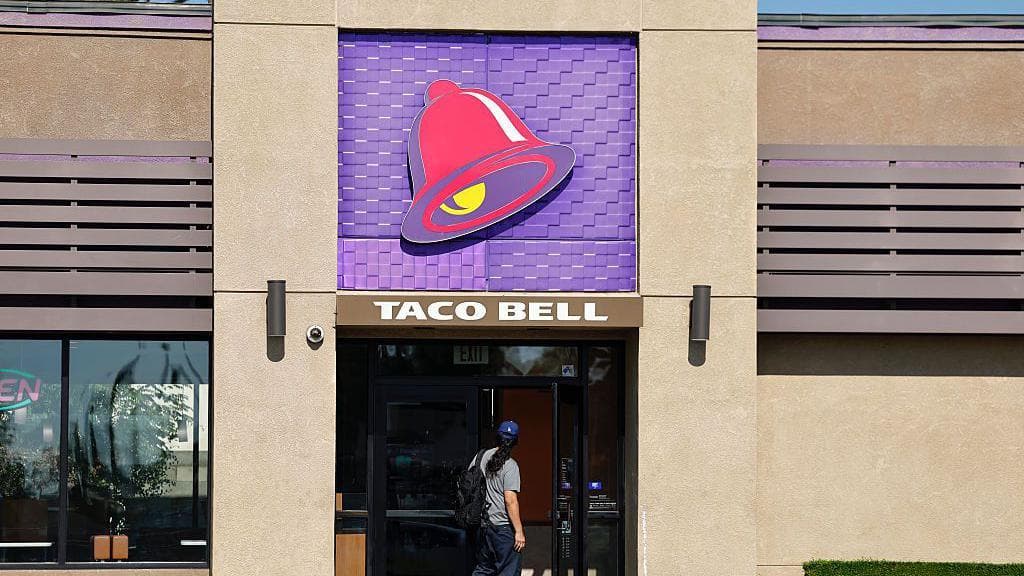
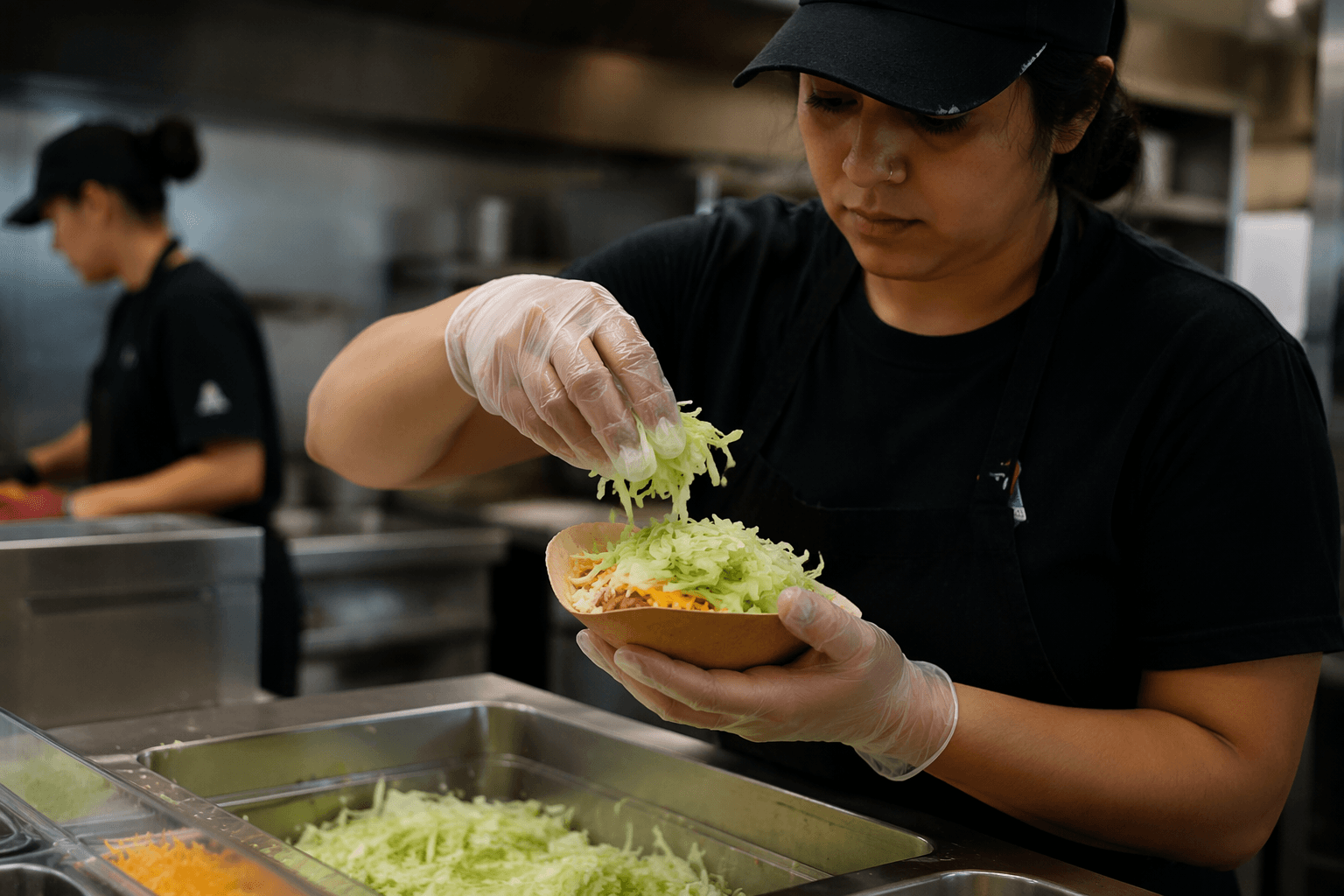
Taco Bell removed lettuce from one supplier from some U.S. states indefinitely, saying it acted “out of an abundance of caution” after investigators linked the ingredient to a cyclosporiasis outbreak. The affected product was shredded iceberg lettuce supplied to Taco Bell restaurants in Indiana, Kentucky, Michigan, Ohio and West Virginia.
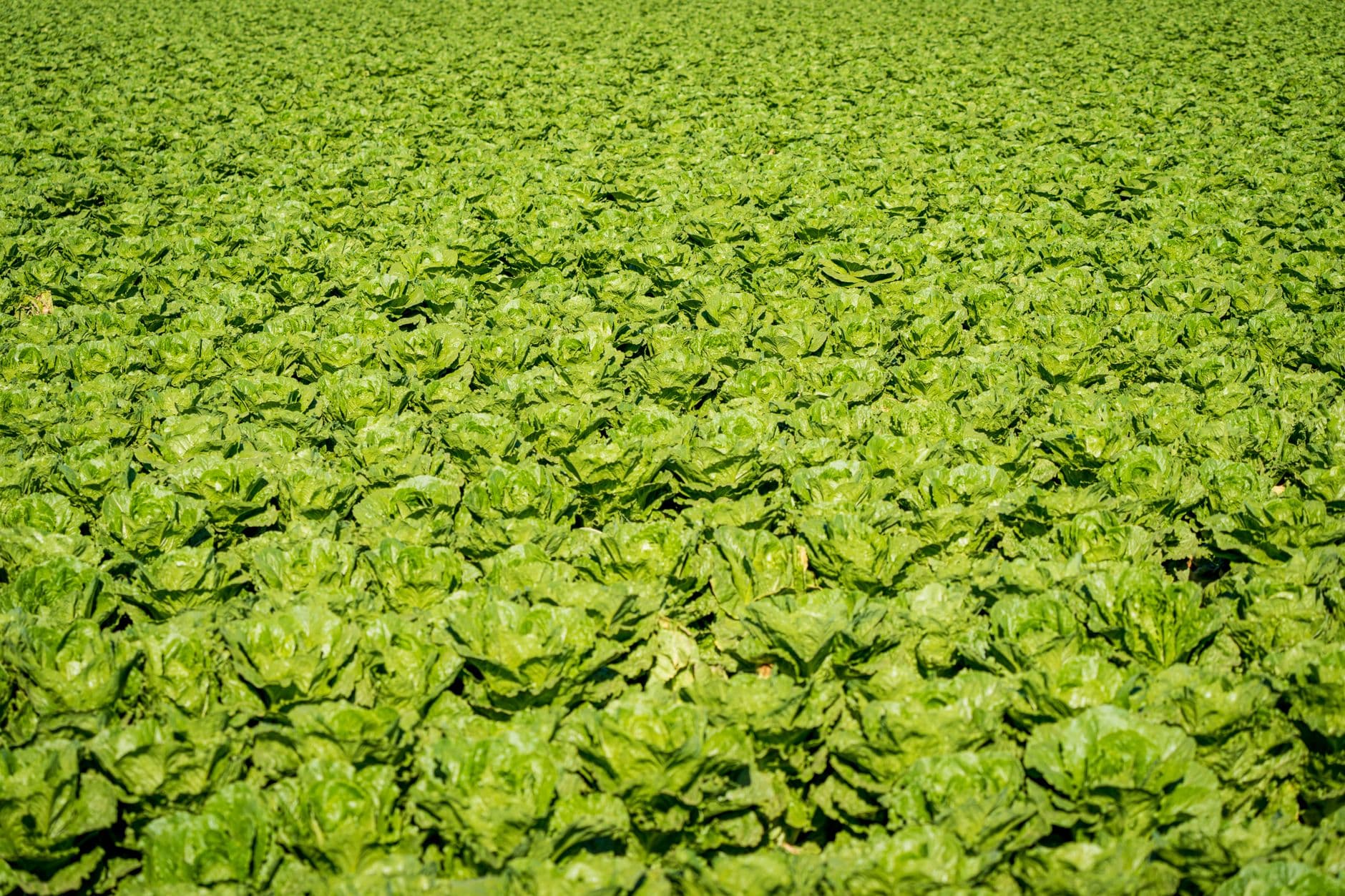
The company’s move landed as health officials focused on lettuce or salad greens as the leading suspected source of the parasitic infection. Michigan health officials said current results pointed to lettuce or salad greens, but other foods could not be ruled out. Investigators have identified shredded iceberg lettuce supplied by California-based Taylor Farms as the likely source, while the broader outbreak has sickened thousands nationwide.
Cyclosporiasis is a gastrointestinal illness caused by Cyclospora. Symptoms can include severe diarrhea, fatigue, stomach cramps, nausea and vomiting, the kinds of problems that can turn a routine fast-food meal into a multi-day illness. Michigan had reported 3,309 cyclosporiasis cases since June 22 by July 14, and at least 44 people had been hospitalized.
The outbreak highlights how quickly a single ingredient can move through a national restaurant chain before investigators pin down the source. Taco Bell’s action leaves open the possibility that more than one food item may be involved, and officials have not ruled out other foods as they continue tracing the contamination. For now, the chain has taken the lettuce off the menu from one supplier in the states tied to the investigation, but it has not said when or whether the ingredient will return.
Health and food-safety officials are also still working through the traceability problem that has dogged previous lettuce-linked scares: once product is chopped, bagged and shipped through multiple distributors, the path from farm to restaurant becomes difficult to reconstruct quickly. In this case, the response has already spread beyond one brand to the larger question of how well the U.S. food system can isolate a leafy-green contamination event before it reaches thousands of diners.
This article was produced by Prism’s automated news system from verified source data, official records, and press releases, then run through automated quality and moderation checks before publishing. The system is built and supervised by the people who set the standards it runs under. Read our full AI policy.
Did this article answer your question?