Taiwan fires U.S.-supplied rockets toward China in live-fire drill
Taiwan fired U.S.-supplied HIMARS rockets toward the Taiwan Strait for the first time on its west coast, showing how mobile launchers could complicate a Chinese assault.

Taiwan sent U.S.-supplied High Mobility Artillery Rocket Systems into a live-fire drill in Taichung that was designed to show more than firepower: it was a test of whether mobile American weapons are changing Taiwan’s deterrence posture. The rockets were fired toward waters facing the Taiwan Strait, the first time the system had been used in a west-coast live-fire exercise, giving the drill both tactical and symbolic weight.
Taiwan’s military said the exercise simulated an enemy amphibious force trying to invade central Taiwan. Three HIMARS launchers were deployed on each side of the Dajia River estuary, and the army said the drill was meant to demonstrate rapid deployment, battlefield reinforcement and the ability to fire and move before an opposing force could retaliate. The Taipei Times reported that 36 rockets were planned in three firing waves, but only 32 were launched after four failed to ignite or misfired. The army said the impact points were about 9 kilometers offshore.
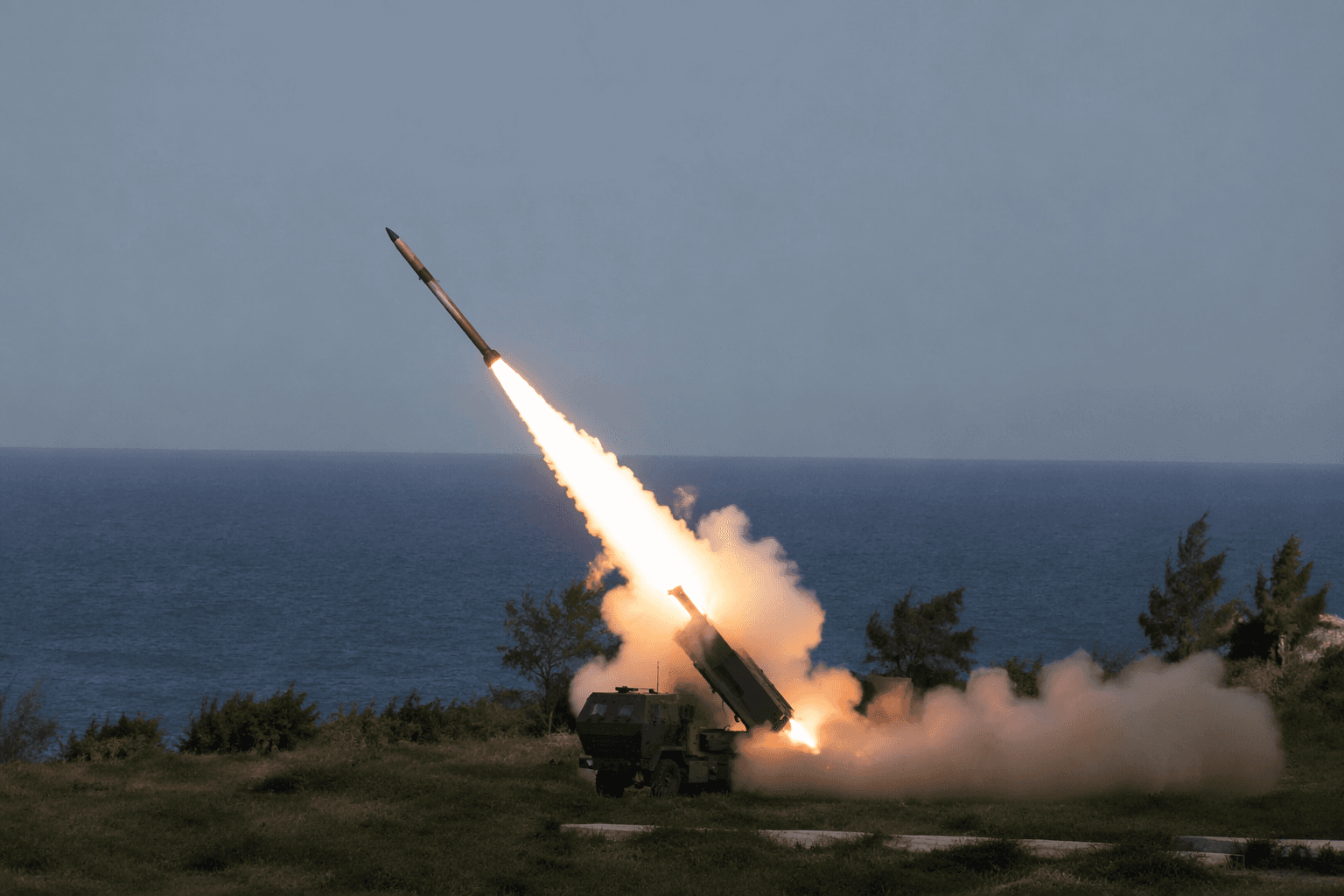
The demonstration matters because Taiwan’s defense concept increasingly depends on survivable precision strikes rather than static defenses. HIMARS adds mobility, reach and response speed to that strategy. Taiwan first test-fired the system off its east coast last year, but the Taichung drill carried added significance because Taiwan’s west-coast beaches and mud flats are widely seen by military planners as the most likely landing areas in any attempted Chinese invasion. By firing from the western side of the island, Taiwan showed that the system can be positioned closer to the channels and corridors most relevant in a crisis.
The launch also underscores the scale of Taiwan’s reliance on U.S. arms. In December 2025, the United States notified Taiwan of an $11.1 billion arms package that included additional HIMARS and related equipment. The Defense Security Cooperation Agency said the HIMARS case alone, approved on Dec. 17, 2025, covered 82 launchers, 420 ATACMS missiles, 756 M31A2 pods and 447 M30A2 pods, with an estimated value of $4.05 billion. Taiwan has bought 29 HIMARS systems in total, with 11 delivered last year and more expected later. With an approximate range of 300 kilometers, the system can put targets in parts of Fujian province within reach.
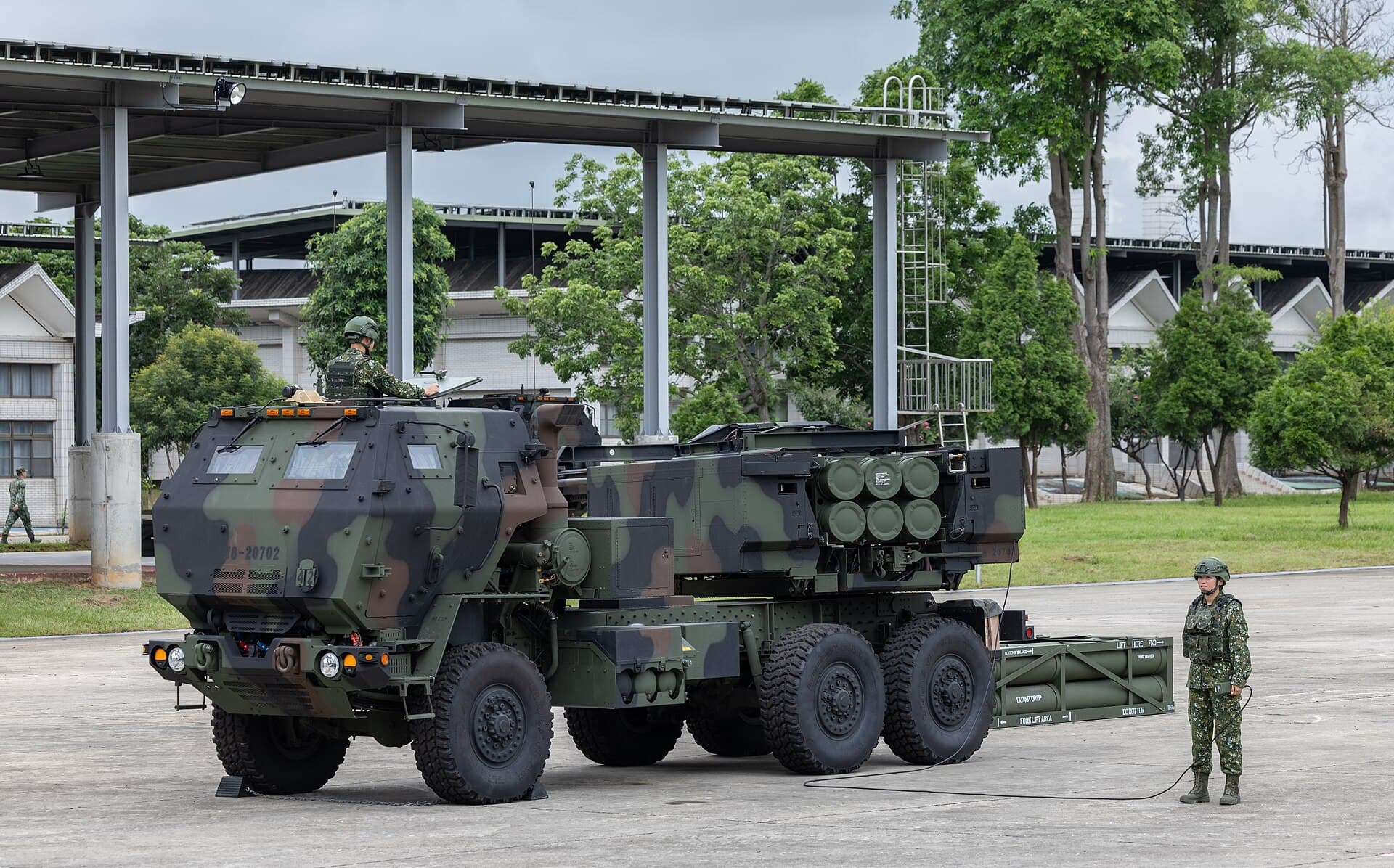
The drill fit into the 42nd Han Kuang exercise cycle, which opened with tabletop war games on April 12 and introduced U.S.-style rehearsal methods such as combined arms rehearsal, backbriefs, support rehearsals and battle drills. Taiwan’s military has been signaling that the island’s best defense is not a single weapon but a force that can disperse, survive and keep firing. The June 10 launch was a live test of that doctrine, and a public warning to Beijing that Taiwan is trying to make any assault slower, costlier and less certain.
This article was produced by Prism’s automated news system from verified source data, official records, and press releases, then run through automated quality and moderation checks before publishing. The system is built and supervised by the people who set the standards it runs under. Read our full AI policy.
Did this article answer your question?