Taiwan reassures public as Trump questions US support after China trip
Taipei moved fast to calm nerves after Trump questioned a Taiwan arms sale, while Beijing kept pressing its claim that the island sits at the center of U.S.-China ties.
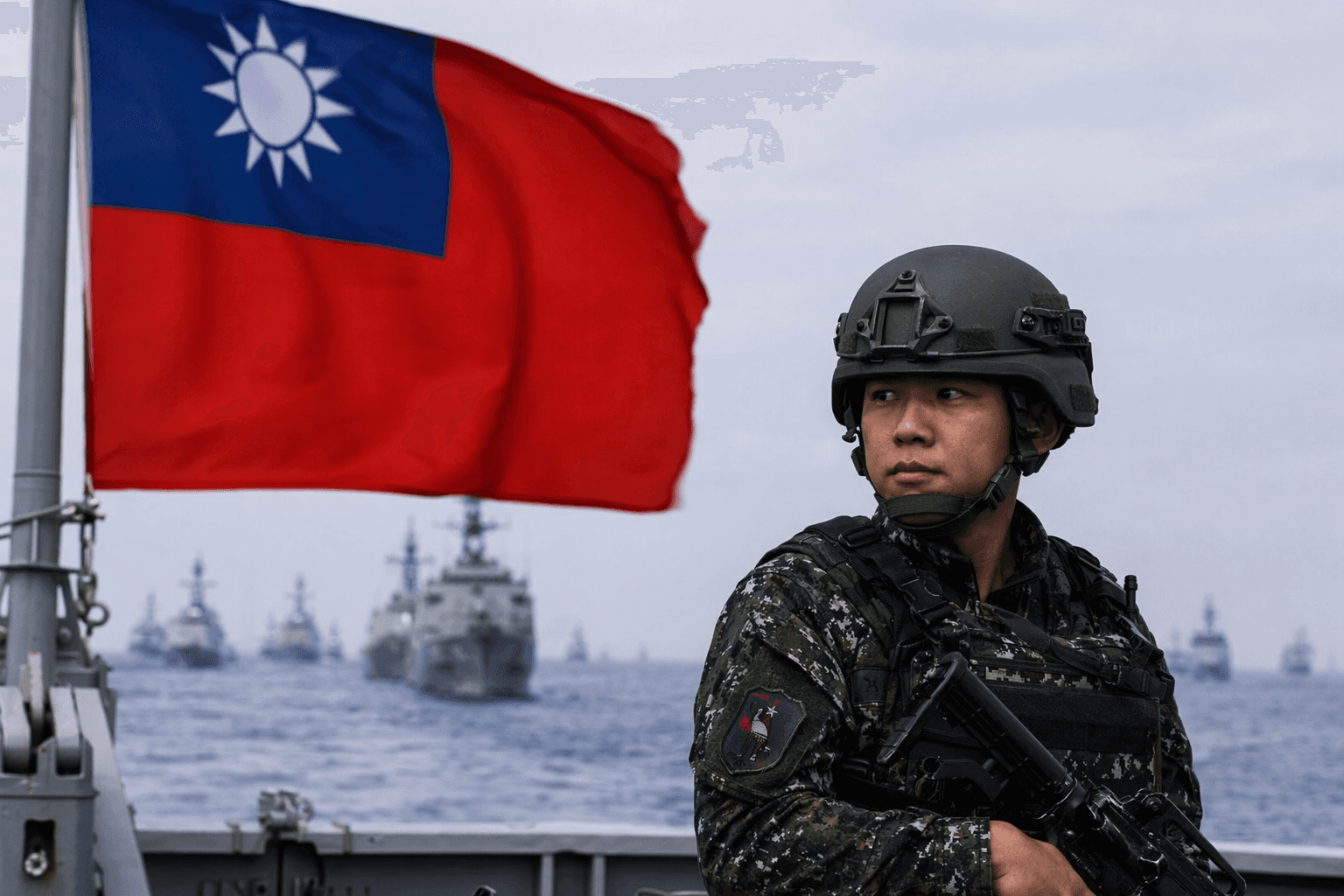
Taiwan’s leaders moved quickly to steady a relationship under strain after Donald Trump cast doubt on future U.S. support for the island following his summit with Xi Jinping. Lai Ching-te said only the Taiwanese people can decide Taiwan’s future, and the foreign ministry said Taiwan is “a sovereign and independent democratic nation, and is not subordinate to the People’s Republic of China.”
The anxiety in Taipei came from Trump’s own words after meeting Xi in Beijing. He said he had not yet decided whether to move ahead with a proposed $14 billion arms package for Taiwan and suggested he was not looking to “have somebody go independent.” He also repeated that he did not want the United States pulled into a distant war. For Taiwan, which depends on American weapons and political backing as China continues to threaten force if necessary, those remarks cut straight to the core of deterrence.
Taiwan’s government said on Thursday, after the summit, that nothing surprising had come out of the meeting and argued that China’s military pressure, not Taiwan’s position, was the real threat to peace. On Saturday, the foreign ministry repeated that Taiwan was a sovereign, independent democratic nation and said it would keep communicating with Washington about the situation. The message was deliberately restrained, but the stakes were unmistakable: Taiwan cannot afford a rupture with the United States, yet it also cannot ignore signs that Washington’s commitment may be less automatic than it once seemed.
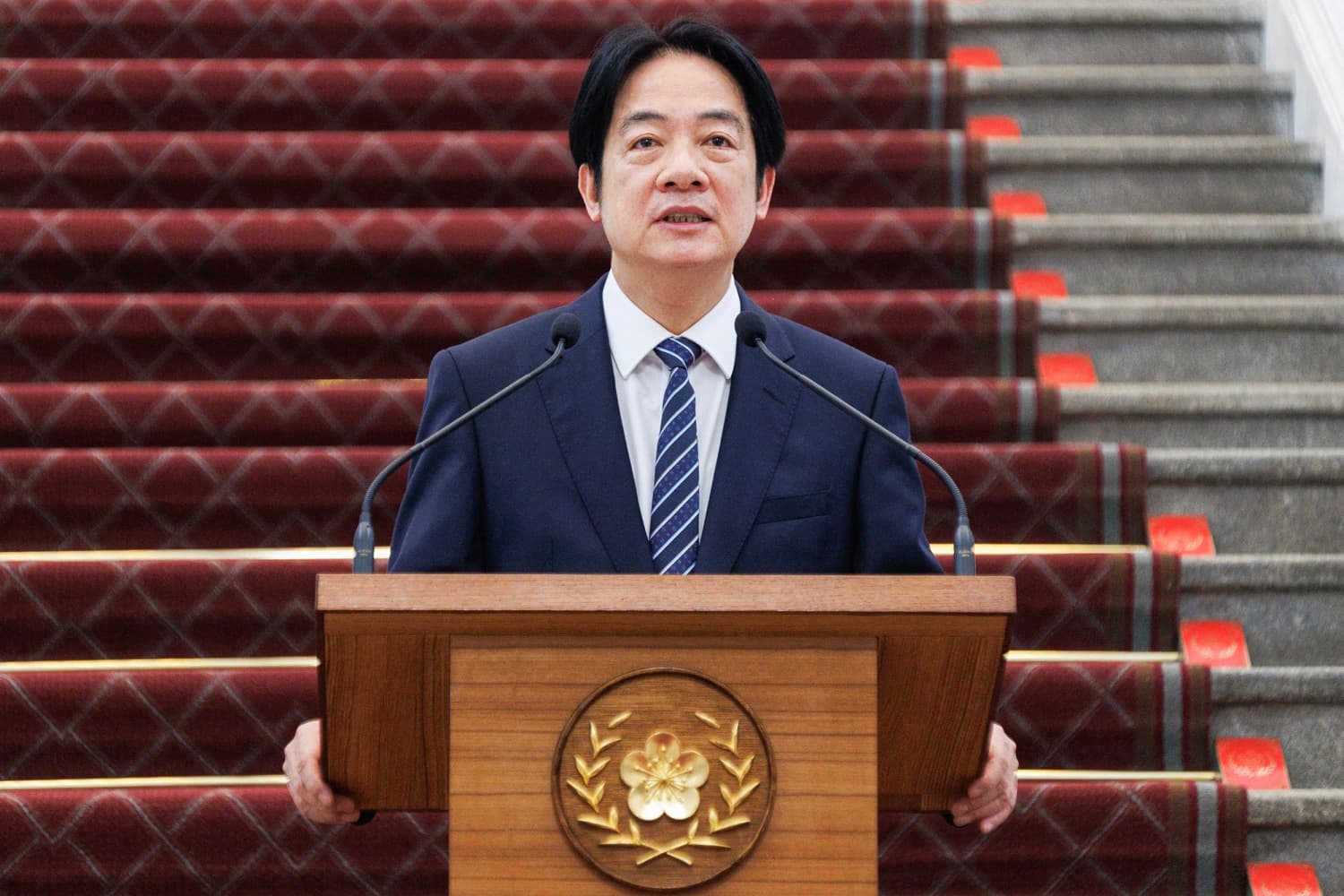
The pressure is sharpened by the arms deal itself. U.S. Congress approved the $14 billion package in January 2026, and Trump’s decision on whether to advance it now hangs over defense planning in Taipei. Lawmakers from both parties have pressed him to continue military support for Taiwan, reflecting the political sensitivity of the issue in Washington as well as on the island.
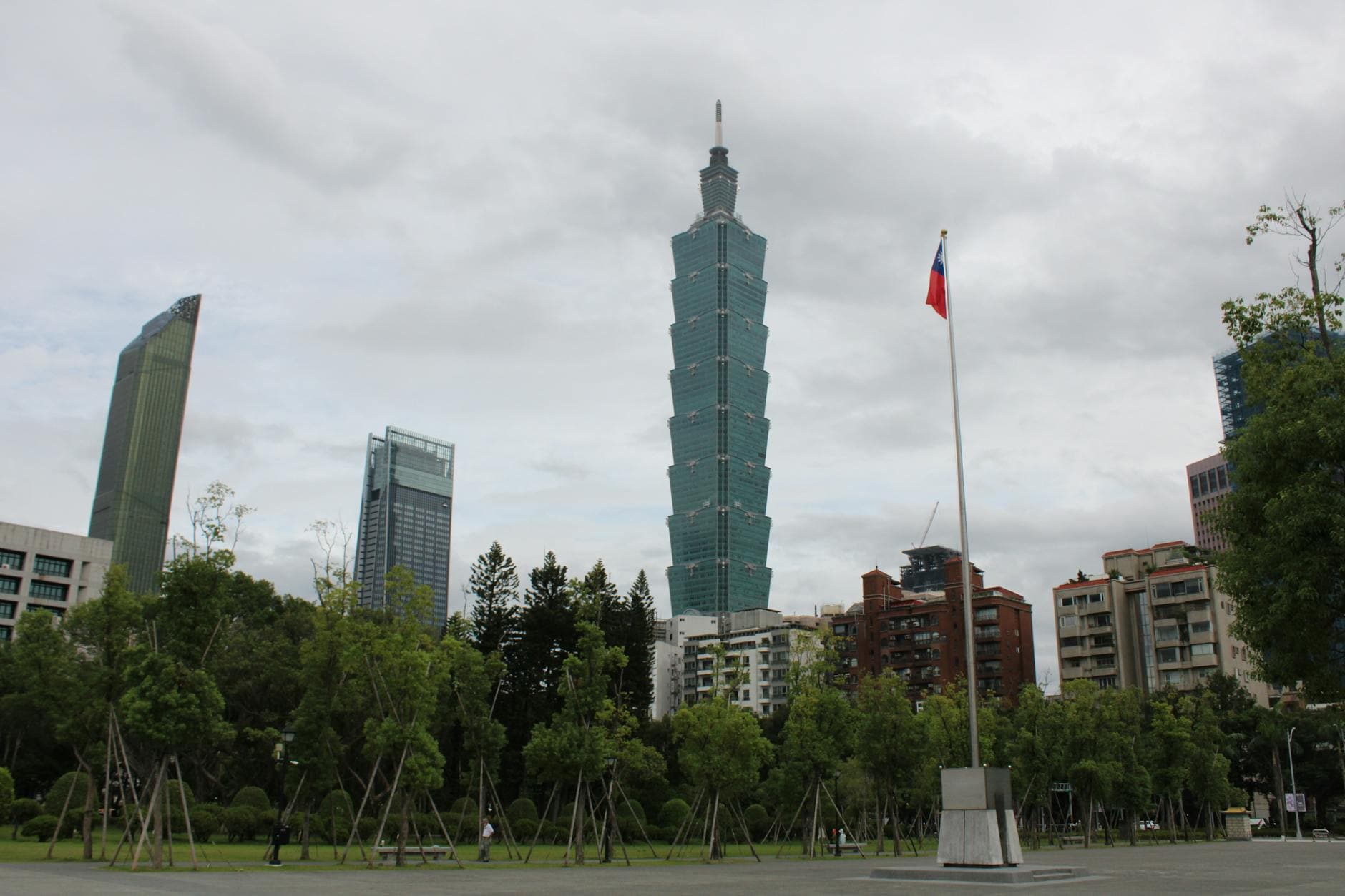
Lai delivered his remarks at an event marking the 40th anniversary of the founding of the Democratic Progressive Party, adding domestic political weight to his response. Xi, meanwhile, warned Trump that the Taiwan question was the most important issue in China-U.S. relations and that mishandling it could lead to conflict. That combination of pressure from Beijing and uncertainty from Washington leaves Taiwan walking a diplomatic tightrope, with every presidential phrase testing how much strategic ambiguity the region can still absorb.
This article was produced by Prism’s automated news system from verified source data, official records, and press releases, then run through automated quality and moderation checks before publishing. The system is built and supervised by the people who set the standards it runs under. Read our full AI policy.
Did this article answer your question?