Taiwan team crowns 84.1-meter tree as East Asia's tallest
A nearly decade-long search in Taiwan found an 84.1-meter Taiwania fir, exposing how rugged forests still hide record trees and reshape conservation priorities.
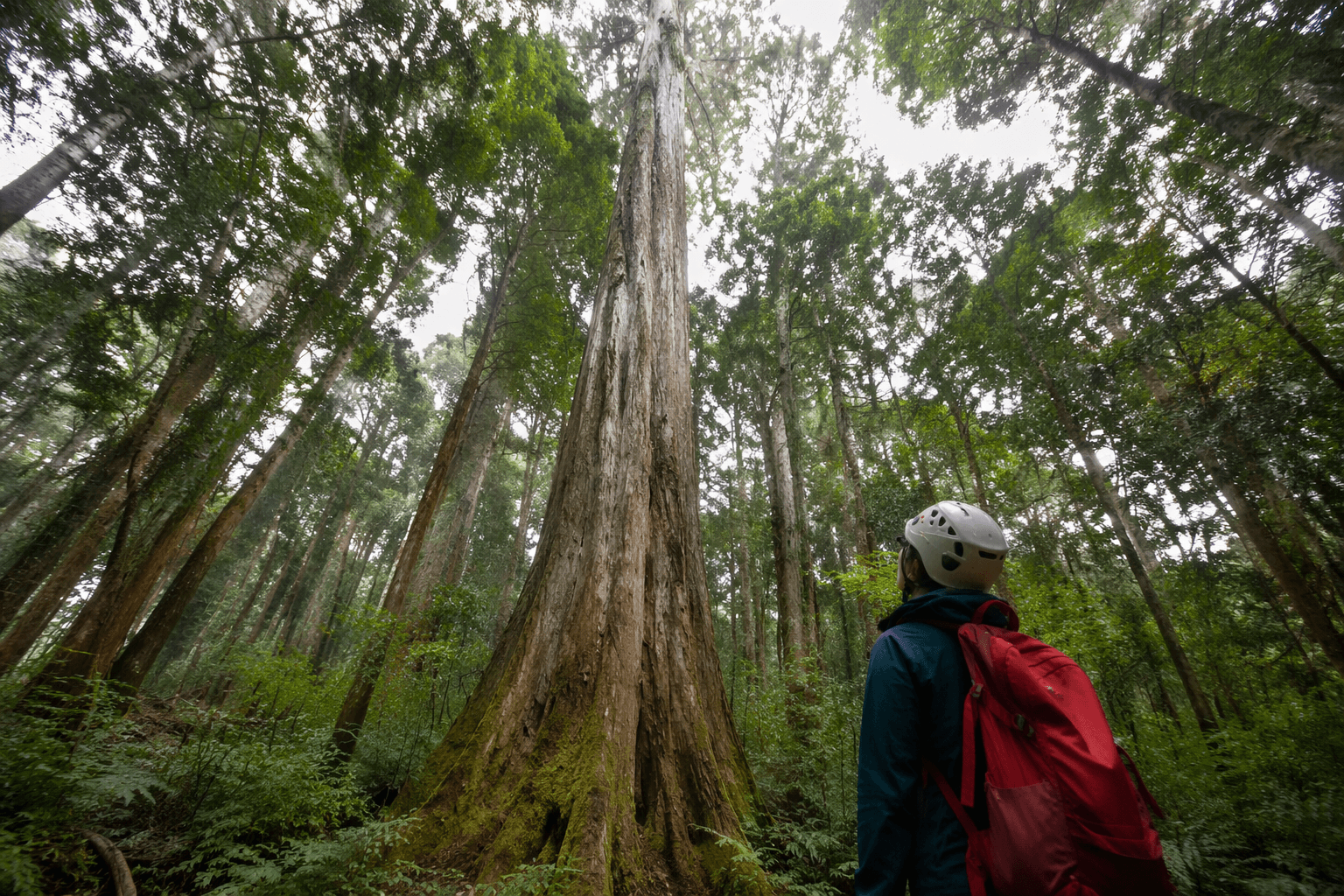
An 84.1-meter Taiwania fir now stands as East Asia’s tallest known tree, a discovery that turned a nearly decade-long hunt into a reminder that some of the region’s richest forests remain poorly mapped. The giant, identified in 2023 after a search that began in 2014, is known as the Heaven Sword of Daan River and, to the Indigenous Rukai people, as the tree that hits the moon.
The find matters far beyond one record. Taiwan’s mountainous landscape, with 258 peaks above 3,000 meters packed into about 36,000 square kilometers, has preserved pockets of old-growth forest that industrial logging from 1912 to 1991 could not easily reach. About 60 percent of the island is forested, and researchers estimate it holds about 950 million trees and roughly 5,000 plant species, a density that makes every newly identified giant part of a much larger biodiversity and carbon story.
The tree was tracked by the Taiwan tree seekers, a multidisciplinary effort that brought together professional tree climbers, ecologists, geologists and remote sensing specialists. Researchers from Taiwan Champion Trees used LiDAR imaging to pinpoint the giant, which was known in Taiwan Forestry Research Institute materials by the code number 55214 and sits near the head of the Daan River. In March 2025, the Taiwan Forestry Research Institute and photographer Steven Pearce unveiled a full-length photo of the tree, making the hidden scale of the forest visible to a wider public.
That visibility matters because giant trees are not just symbols. Researchers said Taiwan’s giant forests store 1,384.5 megagrams of carbon per hectare without counting root systems, underscoring the role these stands play in climate resilience, watershed stability and habitat protection. A record tree can shift where conservation attention goes, especially in steep terrain where small mapping gaps can hide major ecological assets and where development pressure often lands first on the easier ground.
The broader East Asian record has shifted quickly. In July 2023, researchers in southwest China’s Xizang Autonomous Region reported a 102.3-meter Himalayan cypress in Bome County, in Nyingchi Prefecture, then the tallest known tree in Asia. The Taiwan discovery shows how drone lidar, field surveys and long, punishing climbs are changing the map of the region’s forests, one giant at a time.
This article was produced by Prism’s automated news system from verified source data, official records, and press releases, then run through automated quality and moderation checks before publishing. The system is built and supervised by the people who set the standards it runs under. Read our full AI policy.
Did this article answer your question?