Taiwan's chip packaging bottleneck keeps U.S. AI supply chain dependent
Taiwan will add a new AI packaging plant in Kaohsiung by September 2029, even as U.S.-made chips still have to return there for CoWoS.
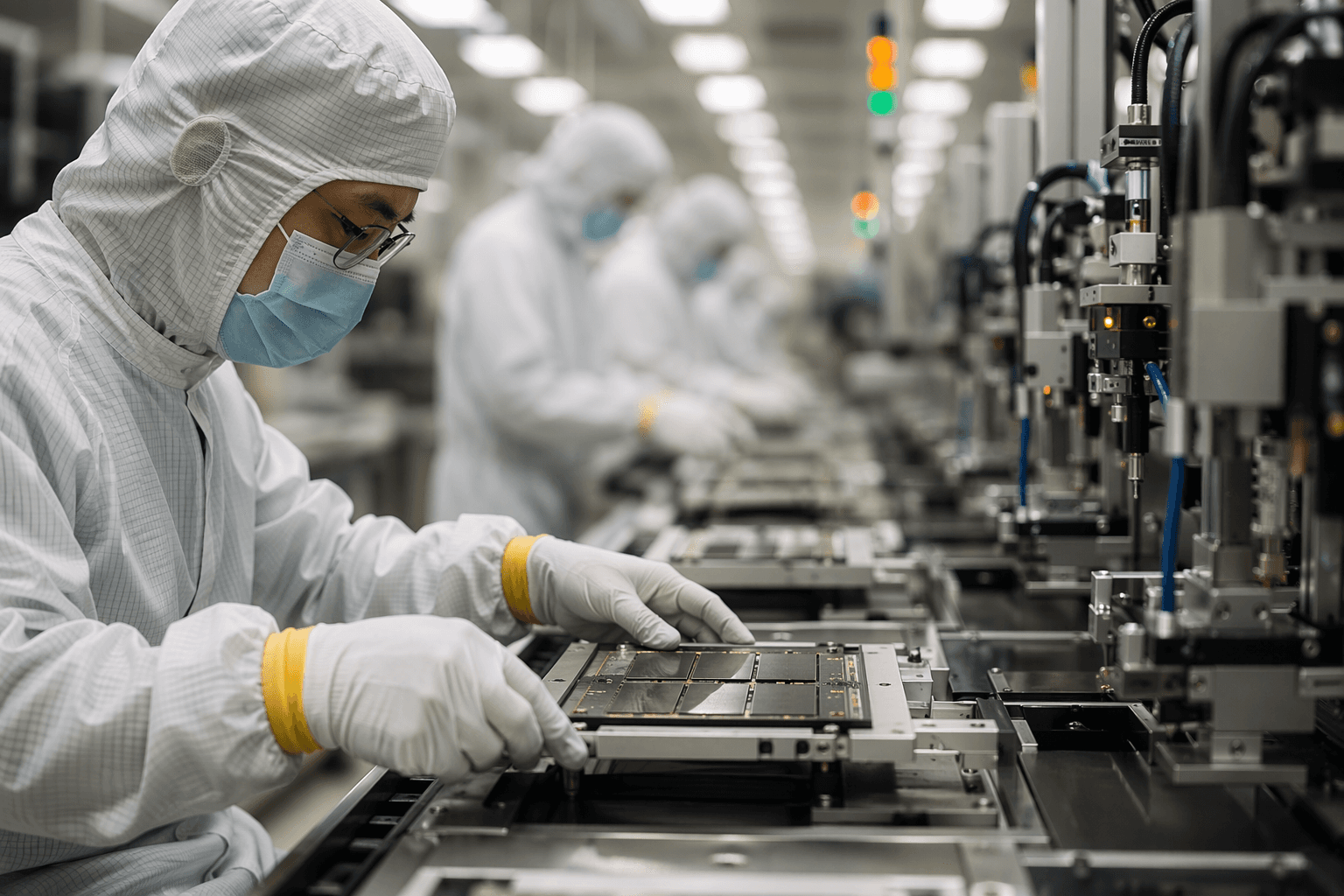
Advanced Semiconductor Engineering and WUS Printed Circuit Co. said in May 2026 that they would build a new AI packaging facility in Kaohsiung, a project slated for completion by September 2029 and expected to create more than 2,000 jobs. The expansion underscores how the most vulnerable point in the AI chip chain has shifted from making wafers to the advanced packaging step that binds several chips into one high-performance unit.
That back-end process is now as geopolitically important as fabrication because AI accelerators increasingly rely on TSMC’s Chip on Wafer on Substrate technology, or CoWoS, which TSMC describes as a packaging method for ultra-high-performance computing applications such as AI and supercomputing. In January 2025, Nvidia CEO Jensen Huang said demand for advanced packaging from TSMC remained strong even as the company’s Blackwell platform moved to CoWoS-L, a sign that the packaging bottleneck was changing shape rather than easing. Blackwell uses multiple chips connected through TSMC’s complex CoWoS packaging, which means the world’s most valuable AI hardware still depends on a process concentrated in Taiwan.
TSMC’s Arizona expansion is meant to reduce that dependence, but the timeline shows why U.S. exposure remains high. The company says its Arizona plan includes six wafer fabs, two advanced packaging facilities and an R&D team center. First-fab high-volume production in Arizona began in the fourth quarter of 2024, volume production on N3 is targeted for the second half of 2027, and advanced packaging in Arizona is not planned until before 2029. TSMC and Amkor Technology also announced a long-term partnership under which TSMC will contract turnkey advanced packaging and test services from Amkor’s planned facility in Peoria, Arizona, to support TSMC’s Phoenix fabs.
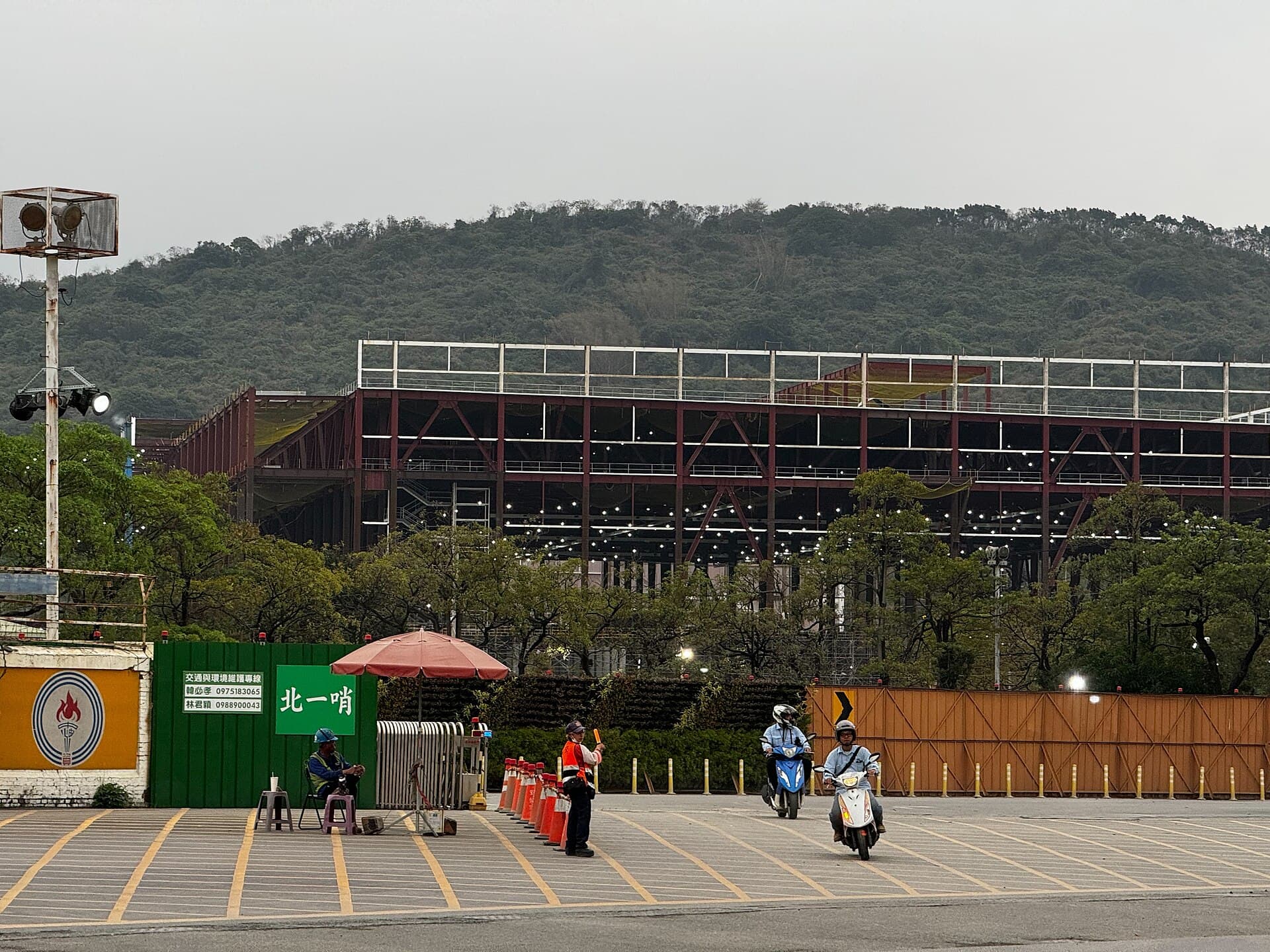
Even with those moves, TSMC’s packaging capacity in Taiwan remains central to the AI supply chain. Nvidia has reserved a majority of TSMC’s most advanced packaging capacity, leaving AI chips that may be made in the United States dependent on a return trip to Taiwan before they can be put to work. For U.S. policymakers focused on fab construction alone, the harder truth is that the race for AI leadership runs through a narrower choke point: the place where chips are packaged, connected and made usable.
This article was produced by Prism’s automated news system from verified source data, official records, and press releases, then run through automated quality and moderation checks before publishing. The system is built and supervised by the people who set the standards it runs under. Read our full AI policy.
Know something we missed? Have a correction or additional information?
Submit a Tip