Take-Two Forces Removal of Browser Port of GTA: Vice City
On December 29, 2025, Take-Two Interactive, through brand-protection firm Ebrand, issued a DMCA takedown that forced DOS.Zone to remove a browser-playable, reverse-engineered port of Grand Theft Auto: Vice City. The move underscores Take-Two’s active enforcement of its intellectual property as community projects that run classic GTA titles in modern browsers draw attention and legal scrutiny.
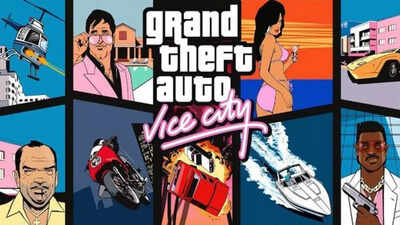
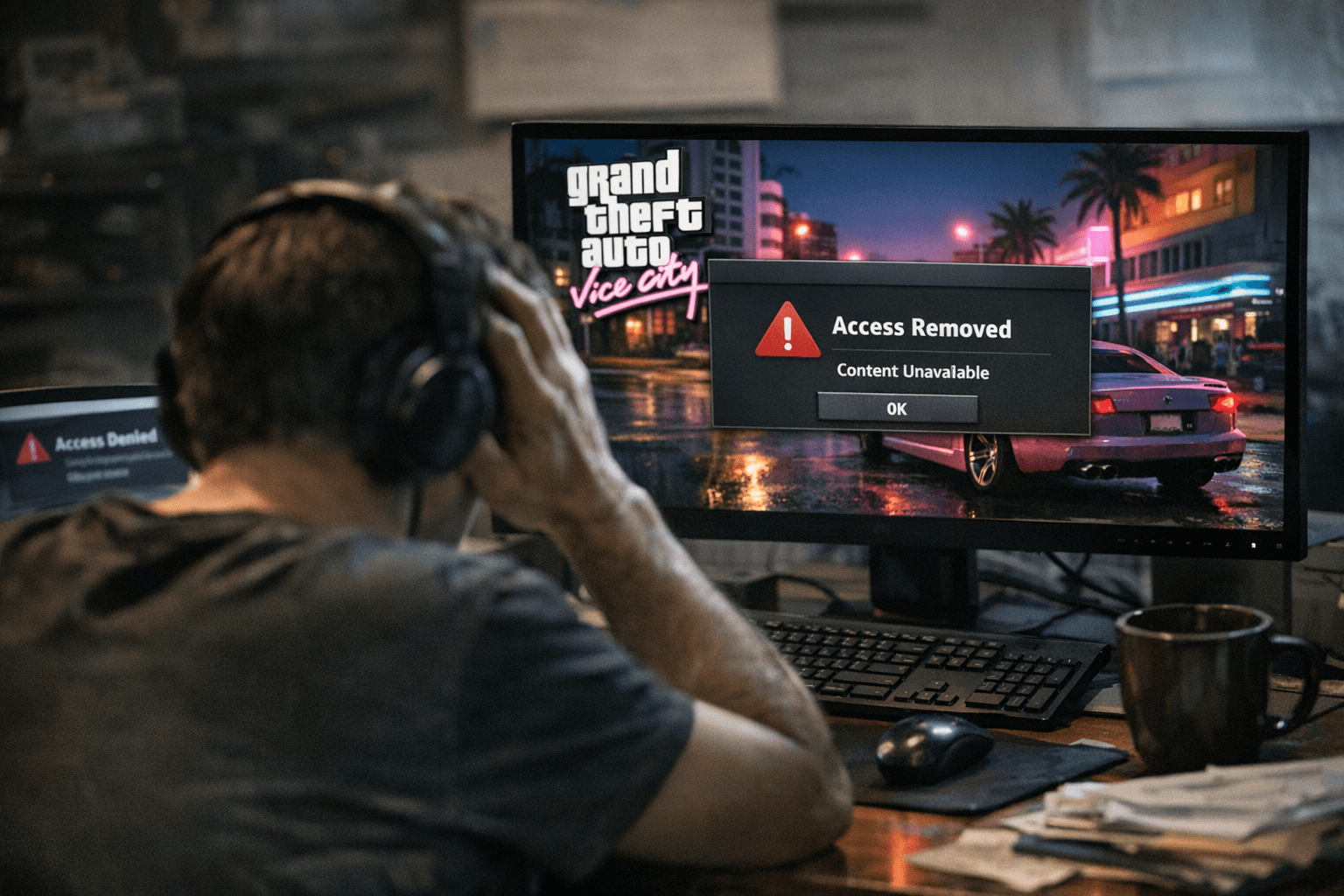
Take-Two Interactive used a DMCA notice on December 29, 2025 to compel DOS.Zone to take down a browser-playable port of Grand Theft Auto: Vice City that had enabled the 2002 game to run directly in modern web browsers. The takedown was issued via Ebrand, a brand-protection firm, and demanded removal of the web port and related references on the DOS.Zone site.
The notice said the project used Take-Two trademarks and copyrighted content in a way that was misleading to users and potentially circumvented technological protection measures. It also stated the project was not authorized, licensed, endorsed, or approved by Take-Two or Rockstar Games. DOS.Zone had made the port available as a reverse-engineered web build but required users to upload or point the project at their own original game files to access the full experience.
The port drew attention in gaming and preservation circles because it let players run Vice City inside a browser without installing legacy software. That simplicity is part of what made the project popular among players seeking quick access to a classic title, and it is also what put it squarely in the crosshairs of a publisher focused on protecting its IP assets.
The takedown lifts a spotlight on the tension between community-led preservation and publisher enforcement. Some reverse-engineered and open-source versions of older GTA games still exist on platforms such as GitHub; those projects could face further takedown actions if Take-Two decides to pursue them. For developers, modders, and preservationists, the notice is a reminder that reverse engineering and browser ports can trigger claims of trademark and copyright misuse, even when projects rely on users providing legally owned game files.
For readers who want to keep playing classic GTA titles, the practical steps are clear: verify you own original copies before using any fan ports, prefer official re-releases and digital storefront options where available, and back up original media and files you control. Community projects that offer convenience also carry legal risk, and creators should be prepared for potential enforcement actions.
Take-Two has consistently defended its intellectual property in recent years, a posture likely to remain firm as the company focuses on upcoming projects such as Grand Theft Auto VI. Expect continued scrutiny of fan ports, reverse-engineered builds, and public repos that make classic GTA games easy to run without publisher authorization.
Sources:
Know something we missed? Have a correction or additional information?
Submit a Tip