Tariff surge reshapes 2025 trade flows as goods deficit hits record high
U.S. goods-only deficit reached an all-time high in 2025 even as the overall goods-and-services gap edged down to $901.5B; tariffs, retaliation and supply-chain shifts rewired trade.
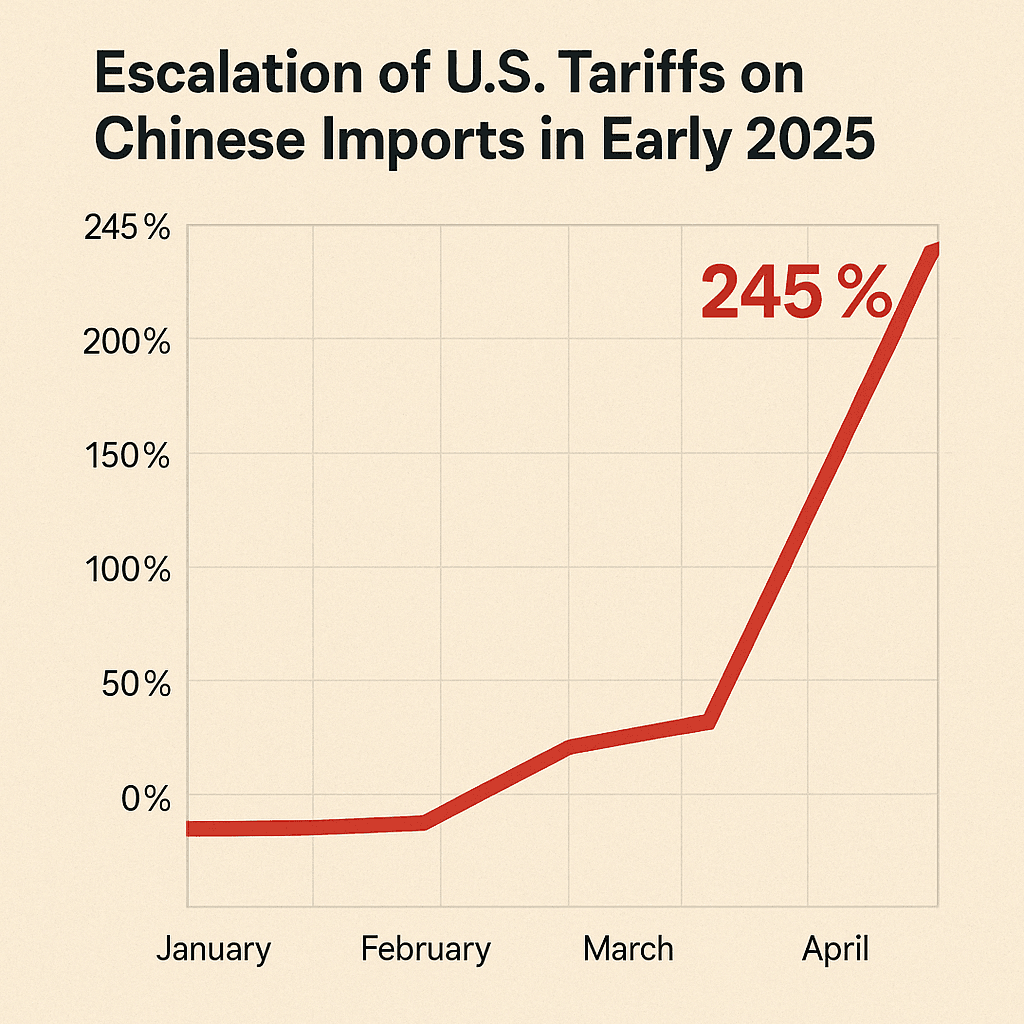
The U.S. goods trade picture in 2025 was simultaneously calmer on headline deficit numbers and more disruptive beneath the surface. New government data and market analysis show the overall goods-and-services deficit fell modestly to $901.5 billion, a 0.2 percent decline from 2024, while the goods-only deficit hit an all-time high as imports climbed to a record and trade patterns shifted sharply.
Imports rose almost 5 percent in 2025, driven in part by businesses seeking suppliers outside high-tariff jurisdictions. U.S. exports increased about 6 percent, helped by aircraft and pharmaceuticals, but the apparent improvement in the headline deficit was skewed by a quirk: U.S. gold exports more than doubled to $84 billion and accounted for much of the narrowing. “The nation's trade deficit fell in 2025 by a meager 0.2% to $901.5 billion, but only due to a large and quirky increase in gold exports,” Morningstar analyst Jeffry Bartash noted.
At the bilateral level, the U.S. import collapse from China was dramatic. U.S. goods imports from China tumbled 28 percent in 2025, shrinking the bilateral gap and boosting trade through intermediaries such as Vietnam and Taiwan. “China was the main loser, with U.S. imports of goods from that country tumbling 28% in 2025. Vietnam and Taiwan were the big winners, raising questions about whether some Chinese goods made their way to the U.S. through other countries,” Jeffry Bartash wrote.

Policy moves were swift and multilayered. The administration layered multiple authorities in 2025, IEEPA, Section 301, Section 232 and Section 201, to raise tariffs across China and other partners, and several trading partners replied with steep retaliatory levies. Budgetlab at Yale calculates that, measured pre-substitution, the 2025 tariff package is equivalent to a 15.5 percentage-point increase in the U.S. average effective tariff rate, bringing it to 17.9 percent. “Current Tariff Rate: Consumers face an overall average effective tariff rate of 17.9%, the highest since 1934. After consumption shifts, the average tariff rate will be 17.4%. (If IEEPA tariffs are invalidated, the rate would be 9.1%),” Budgetlab reports.
Those headline averages mask extreme, layered peaks. PIIE documents that China’s retaliatory levies peaked in mid-April 2025 at extraordinarily high effective levels: “With its retaliation in 2025, average Chinese tariffs on imports from the US peaked at 147.6 percent in mid-April before later being reduced.” PIIE also notes U.S. average tariffs on imports from China rose to 127.2 percent in early May before subsequent rollbacks and a series of talks reduced rates.
The economic consequences were evident across sectors. Soybean exports plunged 32 percent as China shifted purchases to Brazil and Argentina. Supply-sensitive industries faced disruptions when China briefly paused exports of key rare earths and magnets, prompting scramble plans from auto and semiconductor buyers. At the same time, dealers gamed tariff rules: gold imports surged into the U.S. when it appeared tariffs might apply and then flowed back once the administration clarified they were exempt.

For consumers and firms the picture is mixed. Higher effective tariffs raise domestic prices and squeeze consumer welfare unless substitution to cheaper origins is feasible, Budgetlab cautions. Trade flows adjusted rapidly, but that adjustment often meant routing goods through third countries rather than reshoring production, undercutting claims that tariffs would sharply reduce the chronic U.S. trade deficit. As Morningstar put it, “High tariffs haven't had much effect on chronic U.S. trade deficits.”
Key near-term risks to watch are legal and diplomatic: a pending Supreme Court challenge could invalidate IEEPA-based levies and halve the effective tariff burden, while carryover export controls or renewed export curbs on rare earths would pressure manufacturing costs. Markets will be watching monthly trade and customs data in 2026 to see whether the 2025 reordering of supply chains becomes permanent or mostly transient.
This article was produced by Prism’s automated news system from verified source data, official records, and press releases, then run through automated quality and moderation checks before publishing. The system is built and supervised by the people who set the standards it runs under. Read our full AI policy.
Did this article answer your question?

