TART Trails Connects Grand Traverse Communities With Multi-Use Regional Trail Network
TART Trails links Traverse City neighborhoods, parks, the Commons and nearby townships with paved multi-use routes, improving commuting, recreation and regional tourism for Grand Traverse residents.
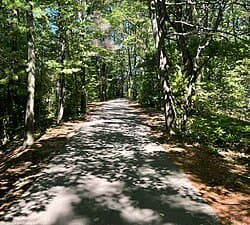
The TART Trails network provides paved rail-trail connections across the Grand Traverse region, linking neighborhoods, downtown Traverse City, parks, the Commons and nearby townships. As a multi-use regional trail system, TART Trails supports walking, running, cycling and winter recreation, and functions as a core active-transportation and recreation asset for residents and visitors.
For local commuters, the paved routes offer a practical alternative to short car trips between neighborhoods and downtown, helping reduce parking pressure in the city core and improving last-mile access to workplaces and transit. For residents focused on health and recreation, the network creates continuous corridors for exercise and family outings that are usable year-round, with winter recreation explicitly accommodated. For businesses, trailheads and gateway neighborhoods see steady foot and pedal traffic that supports cafes, outfitters and lodging near downtown and the Commons.
Economically, multi-use trail systems like TART Trails serve multiple market roles. They are an amenity that boosts neighborhood livability and can support property values, while also being a draw for the region’s tourism economy. Grand Traverse County’s tourism sector benefits when visitors choose cycling and trail-based activities as part of regional itineraries, increasing spending at local shops and service providers. At the same time, trails contribute to public health objectives by expanding low-cost opportunities for physical activity, which can reduce health system costs over time.
Policy choices shape how effectively the network delivers these benefits. Continued investment in maintenance, winter plowing where appropriate, trail lighting in key urban stretches and safe crossings at busy roads will determine whether trails function as true transportation corridors rather than solely recreational paths. Coordination across municipal boundaries and with township governments is essential to keep the paved connections continuous and to prioritize projects that fill missing links between neighborhoods and downtown. Funding models that combine municipal budgets, state recreation grants and private partnerships tend to produce steady outcomes in communities prioritizing similar trail systems.

Long-term trends favor expanded use of regional trails. Demand for active-transportation options and outdoor recreation has grown, and communities that invest in integrated trail networks are often better positioned to attract residents who value walkability and access to outdoor amenities. For Grand Traverse County, TART Trails is not just a leisure asset; it is infrastructure that supports commuting patterns, neighborhood connectivity and the visitor economy.
For readers, the immediate takeaway is practical: the trail network connects where you live, work and play, and its upkeep and expansion hinge on local policy and funding decisions. Watch for municipal planning meetings and township coordination efforts that could shape future linkages and the level of trail services available year-round.
Sources:
Know something we missed? Have a correction or additional information?
Submit a Tip