Taylor Swift files trademarks to shield voice and likeness from AI fakes
Taylor Swift moved to trademark her voice and stage image, aiming to build legal defenses against AI clones and deepfakes that already target her.
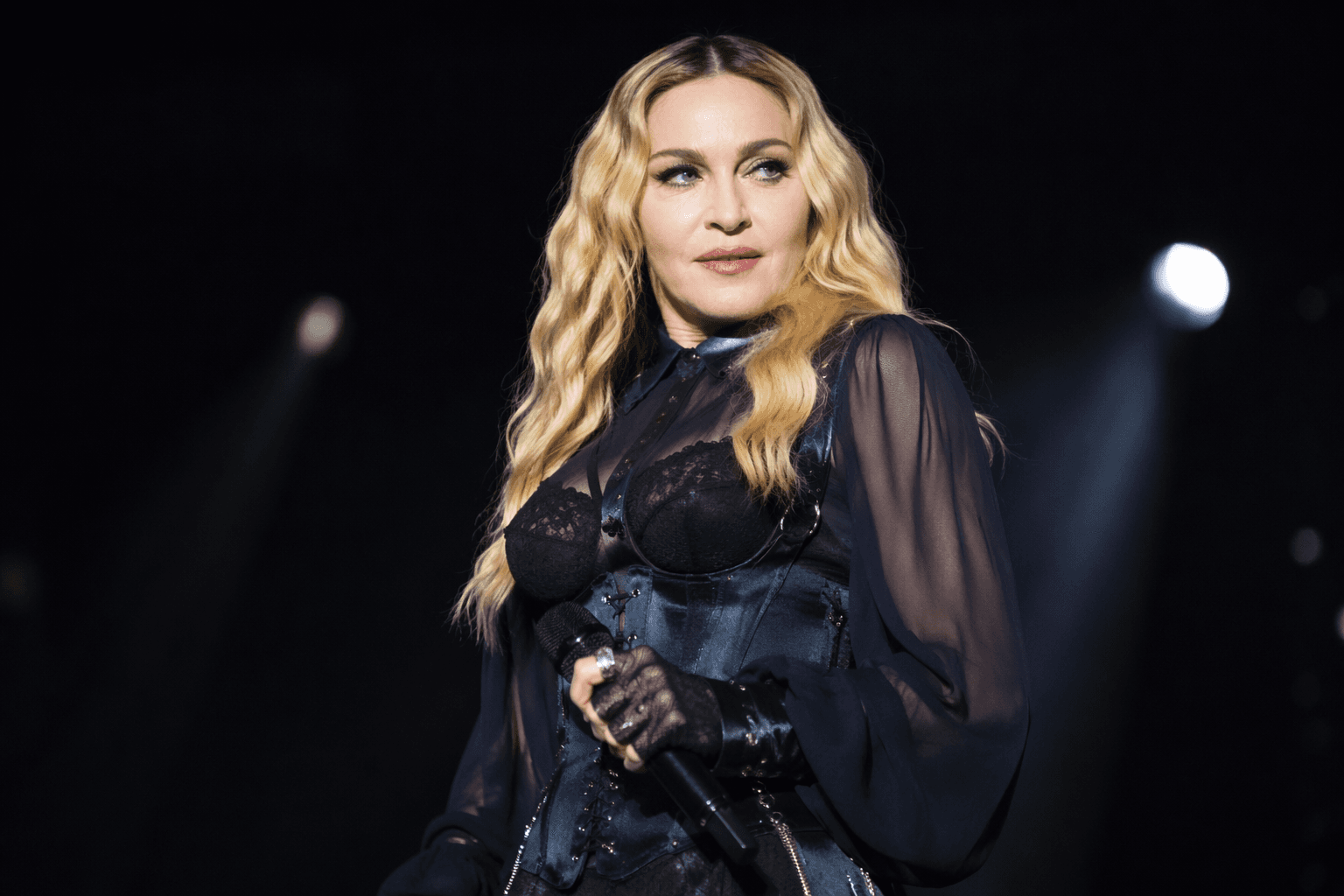
Taylor Swift has taken a fresh legal step to protect her identity in the age of AI, filing three trademark applications through TAS Rights Management on Friday, April 24, 2026. Two of the filings are sound marks for the phrases “Hey, it’s Taylor Swift” and “Hey, it’s Taylor,” while the third covers a visual depiction of Swift performing with a pink guitar, a multicolored bodysuit, silver boots and a pink microphone setup.
The applications point to a bigger fight than brand management. They are designed to create legal tools against unauthorized AI-generated content, an arena where performers, public figures and intellectual-property lawyers are racing to stay ahead of voice cloning, synthetic video and deepfakes that can move faster than takedown requests. For Swift, whose image has long been a high-value target, the filings add another layer of protection around the voice and likeness that define her commercial identity.
The legal theory is still being tested. Trademark law is not traditionally built to protect a person’s general persona, voice or face, which is why Swift’s move is notable beyond the music business. Her filings could help define whether celebrities can use federal trademark law alongside right-of-publicity claims to fight unauthorized AI impersonation. That question carries weight well outside Swift’s catalog and concert stage, because the same legal tools could shape how athletes, influencers and entertainers respond when synthetic media uses their names, voices or faces without consent.
Swift’s lawyers are not the first to pursue that path. Matthew McConaughey secured eight trademarks in 2025 as part of an AI-related protection strategy, including audio and video clips tied to his public persona. His effort showed how celebrities are trying to convert recognizable snippets of identity into enforceable rights before AI systems make imitation even cheaper and harder to police across platforms.
The issue has already surfaced in Swift’s case. AI fakes involving her likeness and voice have circulated in chatbot interactions and explicit images online, and Donald Trump previously posted AI-generated images suggesting Swift endorsed him during the 2024 election cycle. Reuters reported that a Swift representative did not immediately respond to a request for comment. For one of the world’s most commercially powerful artists, the filings show how quickly the legal playbook is changing as identity itself becomes a contested asset in the AI era.
This article was produced by Prism’s automated news system from verified source data, official records, and press releases, then run through automated quality and moderation checks before publishing. The system is built and supervised by the people who set the standards it runs under. Read our full AI policy.
Did this article answer your question?