Taylor Swift seeks trademark protection for voice, image amid AI deepfakes
Taylor Swift filed new trademarks for her voice and image, moving to shield two signature phrases and a stage photo as AI deepfakes spread.
Taylor Swift filed three new trademark applications with the U.S. Patent and Trademark Office through her company TAS Rights Management, aiming to lock down pieces of her persona that could be copied, cloned or sold without her consent. Two of the filings cover spoken sound marks for the phrases “Hey, it’s Taylor Swift” and “Hey, it’s Taylor,” while the third seeks protection for a stage image of Swift holding a pink guitar.
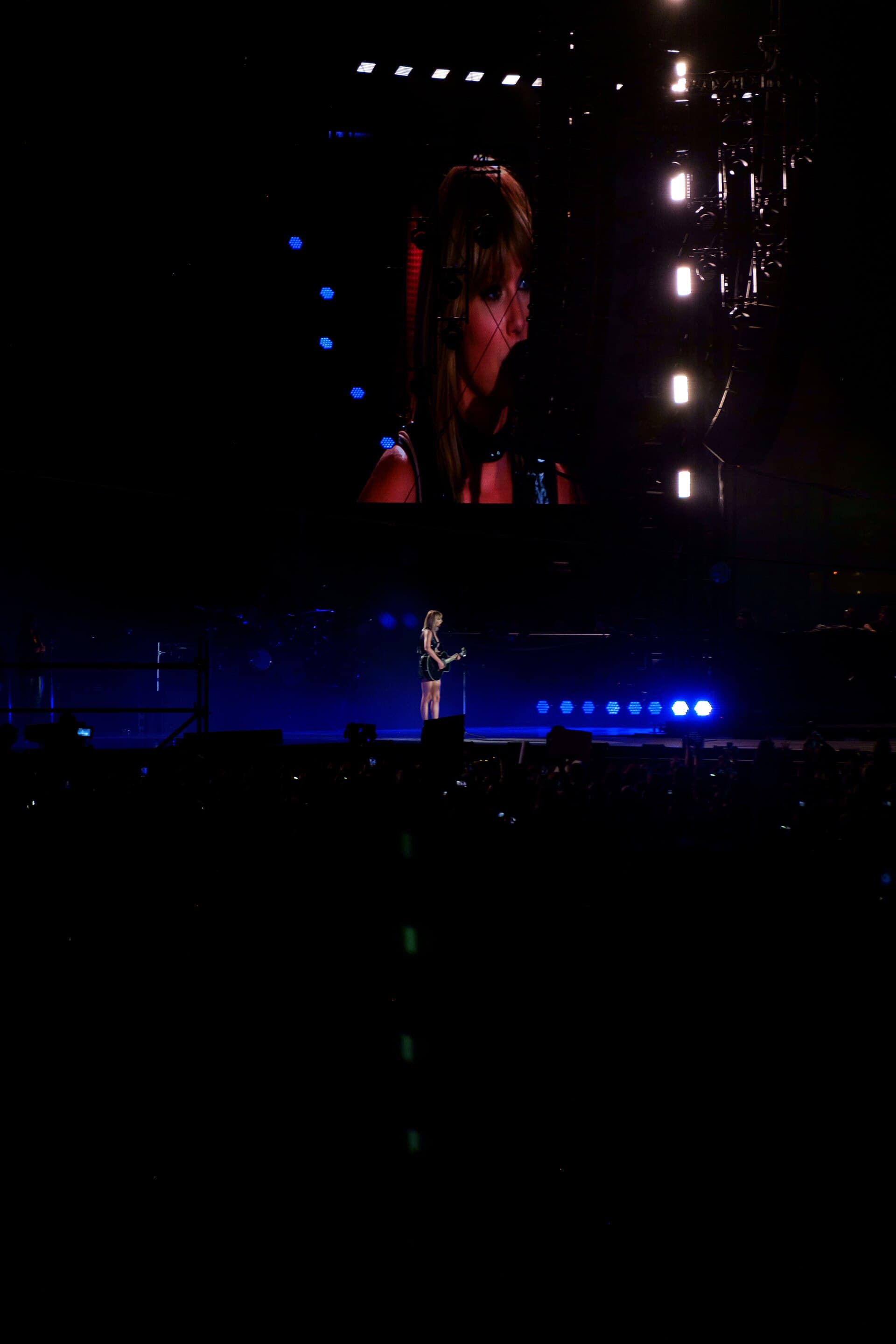
The visual filing describes Swift in a multicolored iridescent bodysuit and silver boots, a specific onstage look that now joins the list of brand elements she is trying to secure. The move reflects a broader shift in celebrity legal strategy as artificial intelligence tools make it easier to generate convincing deepfakes, synthetic endorsements and fake merchandise that borrow a public figure’s identity in seconds.
Swift already owns more than 50 trademarks connected to her name, underscoring that this was not an isolated filing but part of an established effort to defend her brand. With a fan base and commercial footprint that place her among the most marketable figures in music, the new applications carry practical value: they could help strengthen future enforcement if unauthorized recordings, AI-generated ads or synthetic performances try to use her voice or likeness.
The filings also fit a pattern now visible across entertainment. Matthew McConaughey previously pursued similar trademark protections aimed at guarding against unauthorized AI replications of his likeness. That parallel suggests high-profile performers are increasingly turning to intellectual-property law as one of the few tools available to push back before synthetic media outruns traditional safeguards.
This article was produced by Prism’s automated news system from verified source data, official records, and press releases, then run through automated quality and moderation checks before publishing. The system is built and supervised by the people who set the standards it runs under. Read our full AI policy.
Did this article answer your question?