TCL to take majority control of Sony's Bravia home‑entertainment business
Sony and TCL plan a joint venture giving TCL a 51% stake to control Sony's Bravia TV and audio operations, reshaping the global TV industry.
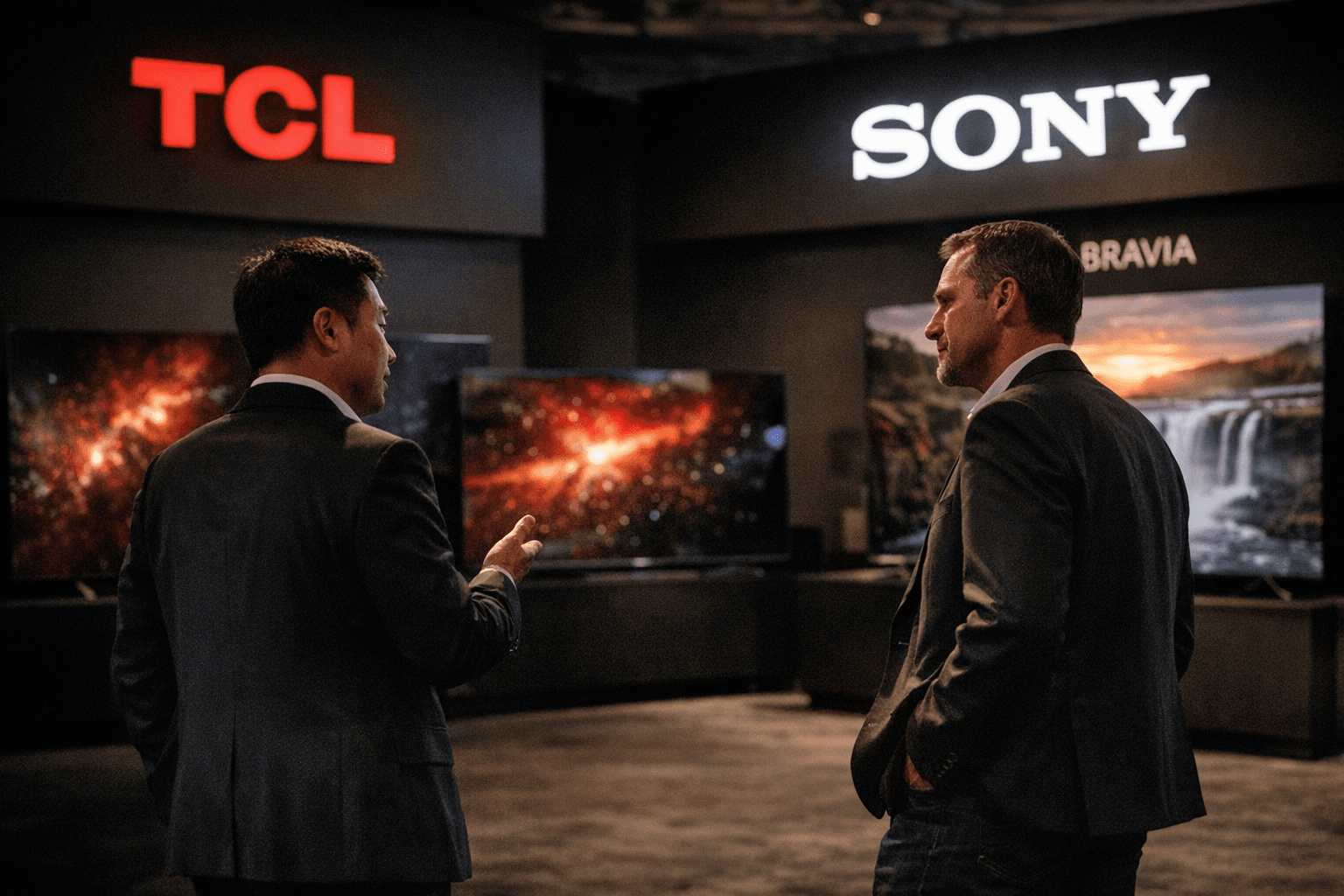
Sony Group and China's TCL Electronics announced plans today to form a joint venture that would assume control of Sony's home-entertainment division, including BRAVIA televisions and related audio products. Under the terms revealed by the companies, TCL would hold a 51 percent stake in the new entity while Sony would retain 49 percent, handing operational majority to the Chinese manufacturer.
The arrangement marks a striking reconfiguration of one of the technology industry's most recognizable consumer brands. Sony's BRAVIA line has long been associated with premium image processing, sound design and entertainment-platform integration. The joint venture will bring that brand under a structure in which a larger, cost-led manufacturer holds decision-making control, a combination likely to accelerate changes in supply chain, production scale and product pricing.
Corporate leaders framed the deal as a way to combine Sony's product engineering and brand equity with TCL's manufacturing scale and cost competitiveness. For Sony, the move follows a broader strategic trend away from lower-margin consumer hardware toward higher-margin businesses such as image sensors, gaming platforms and entertainment content. For TCL, gaining majority influence over BRAVIA could provide an avenue into premium markets where brand recognition and image-processing capabilities have been barriers to rapid expansion.
The transaction is likely to attract scrutiny from regulators and political actors in multiple jurisdictions. Transfers of control involving a major Japanese consumer electronics brand and a Chinese manufacturing group intersect with heightened sensitivities about strategic technology assets, supply chain resilience and cross-border investment. Approvals will be required to complete the venture, and governments that oversee foreign investment and competition in key markets are expected to review the arrangement for national security and antitrust implications.
Employees, factories and research-and-development teams tied to Sony's home-entertainment unit will face change as corporate governance shifts. The joint venture structure leaves Sony with a significant minority stake, preserving a financial interest and potential influence over high-level strategy, but day-to-day control will rest with TCL. That division of ownership raises questions about how BRAVIA's product roadmap, proprietary software and platform partnerships will be managed, and how closely future devices will align with Sony's broader ecosystem of PlayStation, imaging and entertainment services.
The global TV market today combines intense price competition with a race for platform relevance: smart-TV software, streaming partnerships and proprietary image processing are as important as panel quality. The deal could reshape competitive dynamics by pairing TCL's scale and low-cost manufacturing with BRAVIA's premium positioning, potentially compressing price spreads in the high end of the market while expanding distribution reach.
Shareholders of both companies and the joint venture will watch the integration process for signs of how product quality, R&D investment and brand stewardship are balanced against cost and volume priorities. The transaction signals continued consolidation in consumer electronics as companies seek scale to defend margins and invest in software-driven differentiation. Its ultimate impact will depend on regulatory outcomes, governance arrangements and whether the joint venture can sustain the technical and design strengths that underpinned BRAVIA's premium reputation.
This article was produced by Prism’s automated news system from verified source data, official records, and press releases, then run through automated quality and moderation checks before publishing. The system is built and supervised by the people who set the standards it runs under. Read our full AI policy.
Did this article answer your question?