Teacher gifts spark friction as schools weigh cash, cards and rules
Group teacher gifts can ease one-upmanship, but they also create pressure, tax questions and policy traps. The safest approach is voluntary, capped and school-rule compliant.

In November 2023, Wake County school board members considered a proposal that would require parents to pool money if a teacher gift exceeded $75. A pooled class gift can spare teachers a pile of duplicate mugs, but it can also turn appreciation into a quiet pressure test for families on different budgets. The hardest part is not the present itself; it is deciding who pays, how much, and whether the school rules even allow it. Gift cards make the gesture feel simple, yet they sit at the intersection of tax law, ethics rules and very different teacher preferences.
Why group gifts keep creating friction
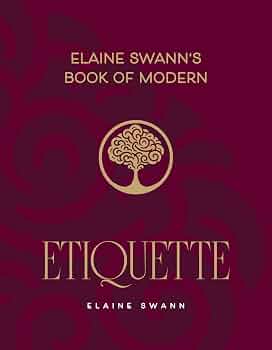
The cleanest advice is also the least glamorous: set a clear framework and keep participation truly voluntary. Elaine Swann, a longtime etiquette adviser, advises parents who want to organize a group gift to set guidelines and allow everyone to contribute the amount they want, with no pressure on a specific dollar amount. National PTA guidance emphasizes that families should be able to give what they can within the total the group raises.
A “voluntary” collection can still feel compulsory once one family sets the pace or the organizer starts naming suggested amounts. A modest, well-run pool can help avoid one family spending far more than another, but it can also create a social script that is hard to decline. National PTA guidance also says a heartfelt note or letter often means more than a purchased gift, which gives schools a low-cost way to keep appreciation inclusive.
Cash, cards and the tax line
Gift cards are popular because they give teachers flexibility, but federal tax rules do not treat them like a harmless trinket. Under Internal Revenue Service rules, gift certificates redeemable for general merchandise or with cash-equivalent value are not de minimis benefits and are taxable. In practice, that means the card is not just a token of thanks; it can trigger a different set of reporting and compliance questions than a box of chocolates or a handwritten note.
Public-school employees also have to navigate ethics and district rules that vary by state. In Massachusetts, a public employee generally may not accept any gift worth $50 or more when it is given because of the position held, under State Ethics Commission guidance. The guidance leaves room for some gifts to a classroom or school to be treated differently, and some districts make a specific exception for class gifts. That patchwork is why a perfectly innocent collection in one community can look like a policy problem in another.
What teachers actually say they want
Teacher preferences are more varied than the gift-card debate suggests. Teachers of Tomorrow found that 75% of teachers said they want to be appreciated with gift cards and Amazon Wish List items. A separate survey of more than 1,000 teachers found something different at the top: handwritten cards or letters were the most loved gifts.
Forty-four percent of teachers said they expect to receive gifts, but 43.4% said $10 to $20 is a reasonable gift price.
How schools and PTAs can lower the pressure
Schools and parent groups can reduce awkwardness by making the rules explicit before anyone starts collecting money. The most effective approach is to keep participation open-ended, state the spending goal for the group rather than a target per family, and avoid any language that implies a minimum contribution. That is the practical version of Swann’s advice: no fixed dollar expectation, no public comparison, and no guilt for families that opt out.
A few guardrails make the process easier to defend:
- Make the collection voluntary, not assumed.
- Ask for any amount, rather than a suggested minimum.
- Check district or school gift rules before collecting money.
- Treat a card, note or letter as a complete gift, not a fallback.
- Keep the group total within the limits of the school’s ethics and acceptance rules.
This article was produced by Prism’s automated news system from verified source data, official records, and press releases, then run through automated quality and moderation checks before publishing. The system is built and supervised by the people who set the standards it runs under. Read our full AI policy.
Did this article answer your question?