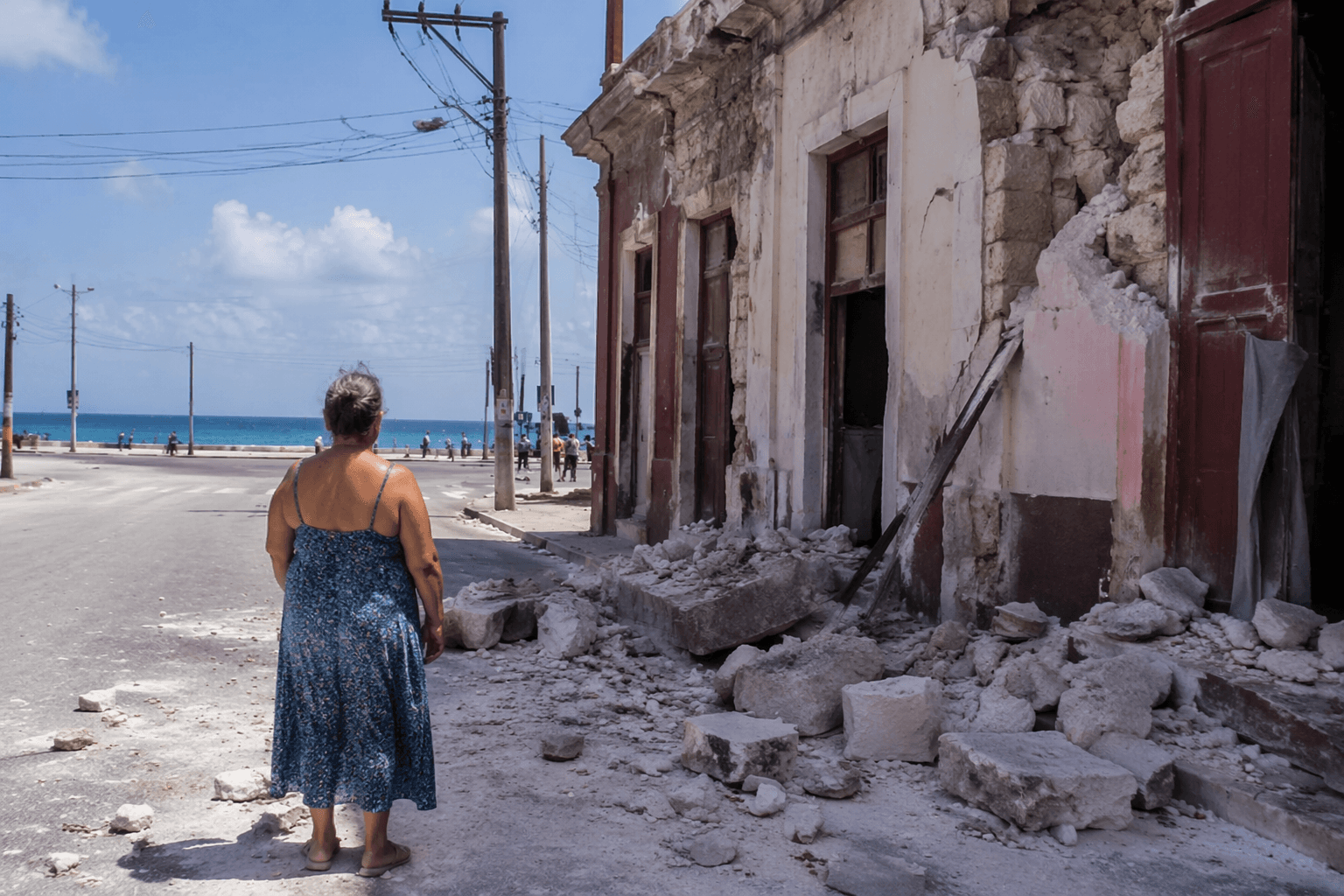
Teachers’ strike stalls Mexico City ahead of World Cup opener
Teachers’ tents and roadblocks in the historic center turned the World Cup countdown into a wage fight, with about 12,000 protesters pressing Sheinbaum over pensions.
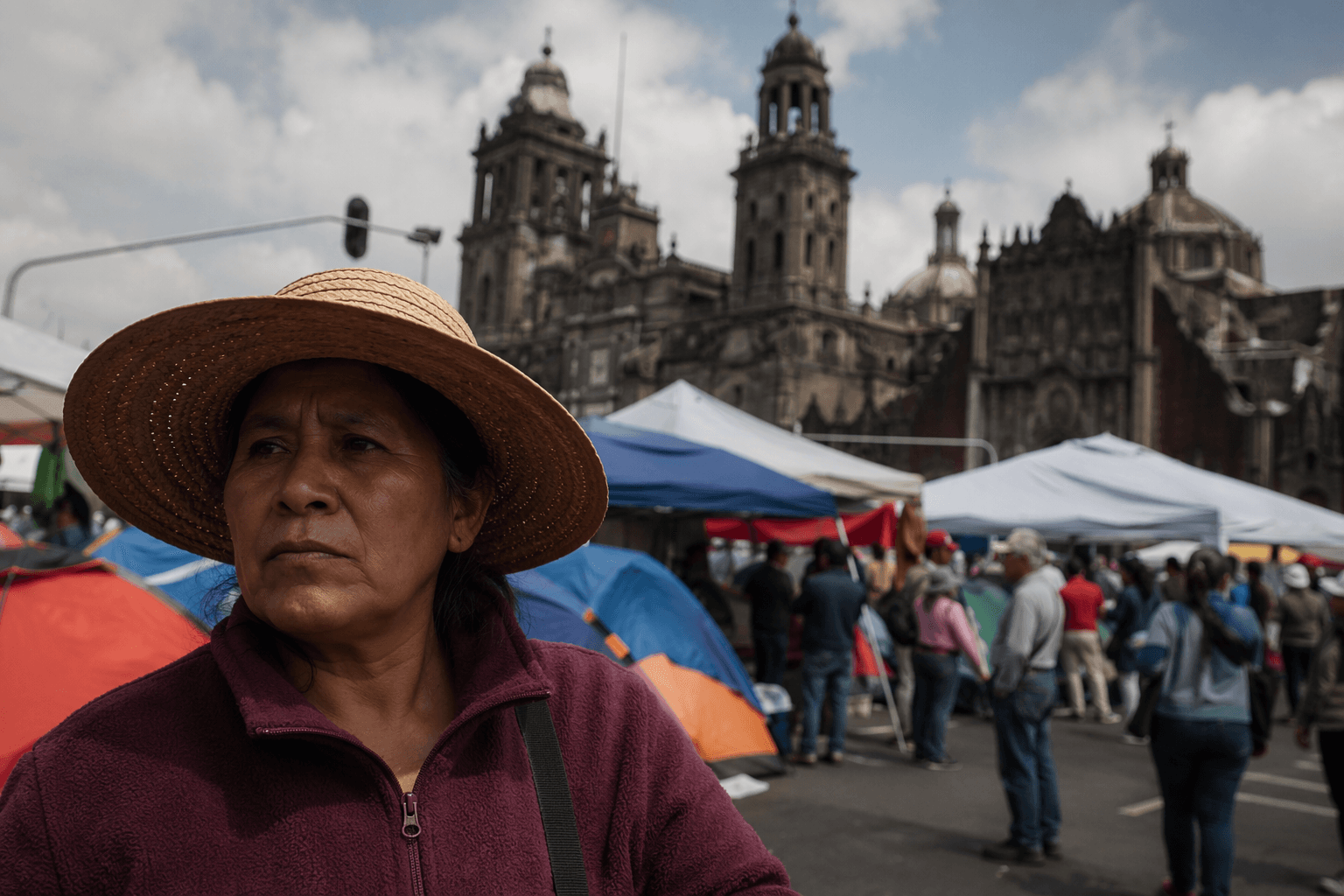
Mexico City’s World Cup showcase has become a pressure point for a deeper fight over wages, pensions and state credibility. Thousands of teachers from the CNTE remained camped in the historic center, blocking streets around the Zócalo just days before the tournament opener at Azteca Stadium, forcing visitors, commuters and merchants to move through a protest zone guarded by security checkpoints.
The timing sharpened the political stakes. FIFA has set the Mexico City Fan Festival at the Zócalo from June 11 to July 19, placing the capital’s official celebration at the same site where the teachers have built their encampment. Visitors heading toward the fan activities have had to pass through the protest camp, a scene that has disrupted traffic and daily commerce in an area meant to project Mexico as a polished global host.
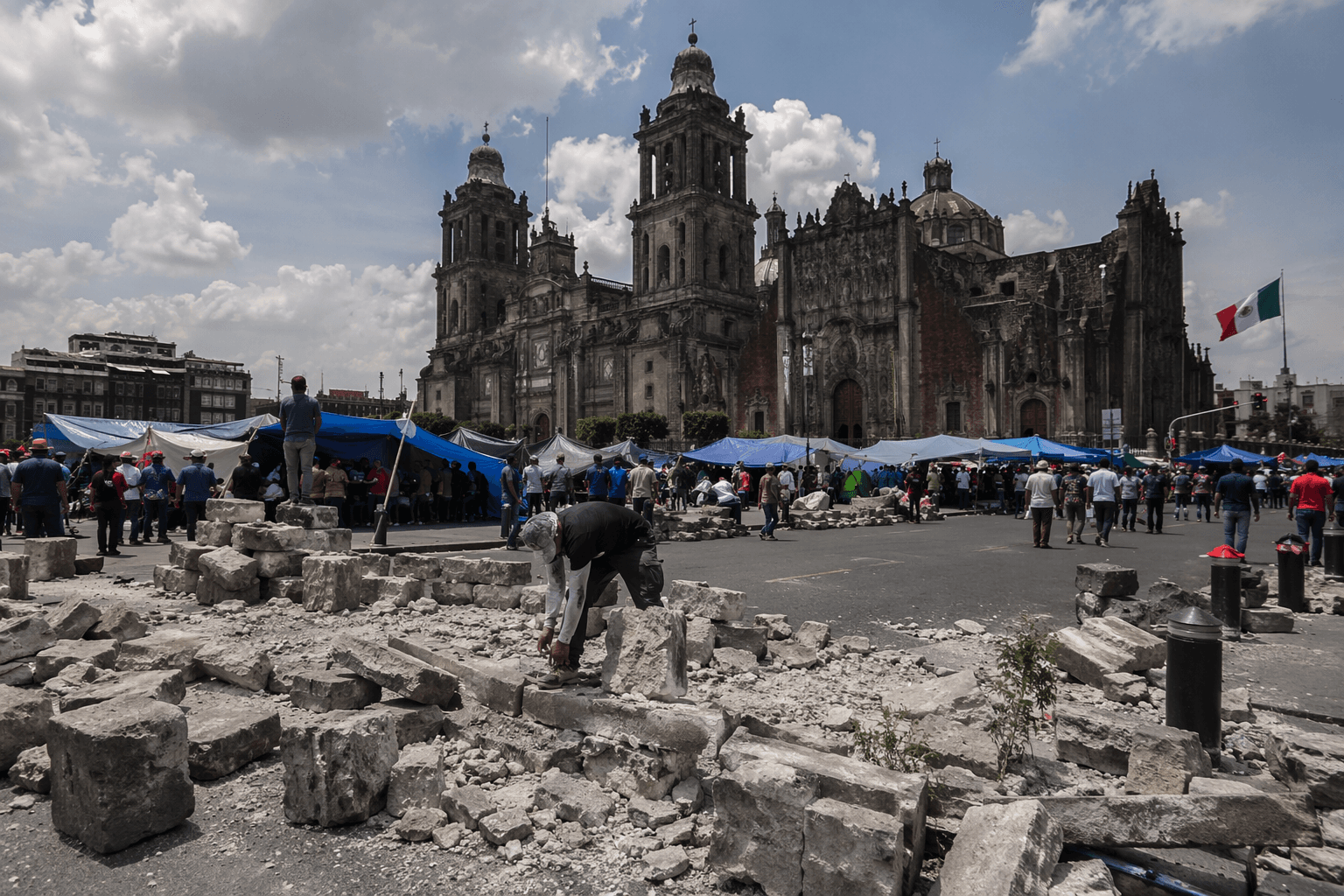
The union’s demands go far beyond the World Cup. Teachers have called for a 100% wage increase and the repeal of the 2007 ISSSTE law, which they say weakened pensions and raised the retirement age. Union estimates put the encampment at around 12,000 teachers, with the protest camp spreading along streets in the historic center, including Belisario Domínguez Street, after security forces blocked them from reaching the Zócalo and they set up tents and tarpaulins on 5 de Mayo Avenue.
The strike has also widened beyond one organization. CNTE planned to keep striking and protesting after June 1 if its demands were not met, while a branch of the SNTE said it would suspend activities beginning May 25. Contingents from Oaxaca, Chiapas, Quintana Roo, Sonora, Jalisco and the State of Mexico have all been reported mobilizing in the capital, underscoring how broad the unrest has become.
President Claudia Sheinbaum has tried to contain the fallout without conceding the union’s central demands. In May, she said, “We’re going to address this,” while also insisting the World Cup should proceed. Interior Secretary Rosa Icela Rodríguez urged the teachers to end their protests and continue talks, warning that the demonstrations were hurting students, workers, merchants and the tourism industry. Sheinbaum has also accused unnamed groups of trying to provoke a confrontation so the government could be blamed for repression.
The confrontation now lands at one of Mexico’s most visible international stages. Azteca Stadium will host the opening match on June 11, and Mexico City will stage five World Cup matches in all. Instead of a clean image boost, the government is confronting a public test of labor power at the very moment it hopes to sell stability, growth and national pride to the world.
OECD data help explain why the dispute has hardened. Mexico’s spending per student fell from USD 4,079 to USD 3,650 between 2015 and 2022, while education’s share of the public budget dropped from 15.8% to 13.2%. Against that backdrop, the World Cup has become more than a sporting event in Mexico City: it is a stage on which unresolved grievances over public spending, pensions and wages are colliding with the government’s effort to present a city ready for the world.
This article was produced by Prism’s automated news system from verified source data, official records, and press releases, then run through automated quality and moderation checks before publishing. The system is built and supervised by the people who set the standards it runs under. Read our full AI policy.
Know something we missed? Have a correction or additional information?
Submit a Tip