Techniques to Encourage Bonsai Back-Budding for Fuller Interior Growth
Practical, step-by-step techniques to stimulate back-budding and build fuller inner ramification on trees with sparse interior buds, based on Homecrafttips’ intermediate-level guidance.
Get actionable moves you can apply this season to encourage back-buds and denser interior foliage without reworking your design. Homecrafttips’ February 20, 2026 piece, "How to Encourage a Bonsai to Back Bud for Fuller Growth," targets bonsai owners facing the common intermediate-level challenge of sparse interior buds and focuses on practical steps to increase ramification and inner foliage.
1. Strategic tip pruning to reduce apical dominance
Trim back terminal shoots selectively to reduce apical dominance and reallocate hormones toward inner buds. Homecrafttips (Feb 20, 2026) emphasizes shortening long leading shoots rather than hard-heading entire branches; cut to a healthy node or secondary branch to preserve movement and taper. Do this during active growth so the tree can mobilize carbohydrates and cytokinins to dormant buds; repeat over consecutive growing cycles rather than one aggressive cut to avoid shock.
2. Pinching new growth for progressive ramification
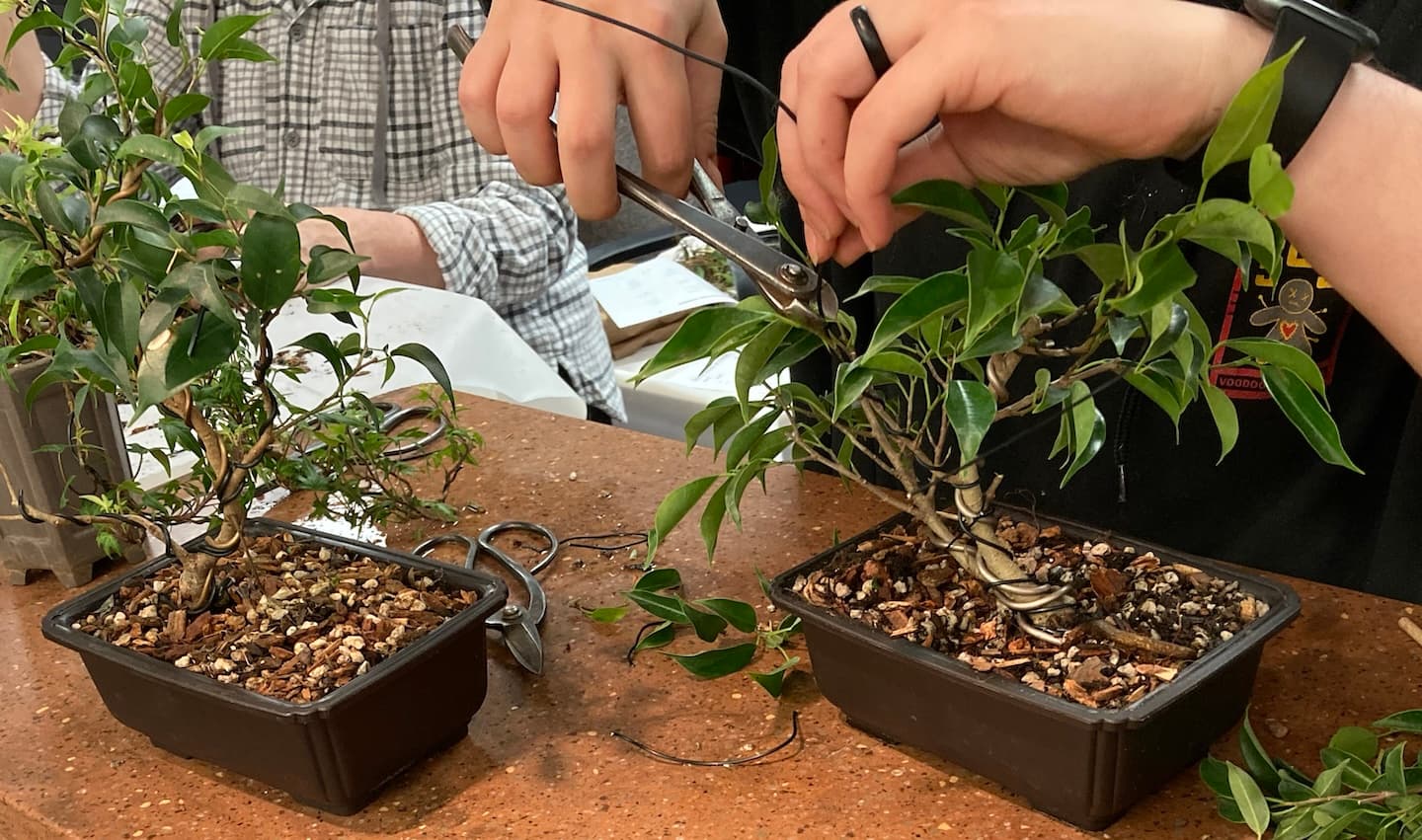
Pinch soft new growth repeatedly throughout the growing season to force finer branching and stimulate buds behind the shoot tips. The Homecrafttips guide treats pinching as an intermediate technique: it’s less disruptive than heavy pruning but must be done consistently to redirect vigor into interior buds. Use fingertip pinching on deciduous and soft-wood species, removing only the newest 1–2 cm of growth at intervals, and monitor for secondary shoots forming at the node beneath the pinch.
3. Selective leaf pruning (defoliation) on tolerant species
Partial or full defoliation can push a tree to back-bud when the species tolerates it; Homecrafttips highlights this as a targeted technique for intermediate owners. Remove older leaves or perform full defoliation only on trees known to handle the stress, this reduces the leaf area, forces a surge of energy into dormant buds, and yields smaller foliage and tighter ramification. Schedule defoliation in a season of strong, steady growth and follow with balanced care: steady water, protection from extremes, and cautious fertilization as new shoots form.
4. Reduce overall vigor with fertilizer and watering adjustments
Tempering overall vigor helps inner buds break because excessive growth at tips suppresses inner development; Homecrafttips recommends adjusting feed and water patterns to lower tip dominance. Cut back high-nitrogen applications and avoid over-fertilizing during spurts of rapid shoot elongation, switch to a balanced or lower-nitrogen feed when encouraging back-budding. Pair modest nutrition reductions with careful, consistent watering so the tree isn’t stressed into dormancy; the goal is to nudge balance, not to starve the plant.
5. Root work and pot/root restriction to balance top and root
Root pruning and pot downsizing reduce root mass relative to the canopy and often translate into reduced shoot vigor and increased back-budding potential. Homecrafttips describes root reduction as an intermediate method: root prune at repotting time, remove a measured 10–30% of circling roots depending on species and size, and repot into a slightly smaller container or one with less free drainage to moderate growth. After root work, protect the tree from temperature extremes and allow a season of steady recovery while expecting a shift toward more interior bud activity.
6. Thin the canopy and open up light to interior shoots
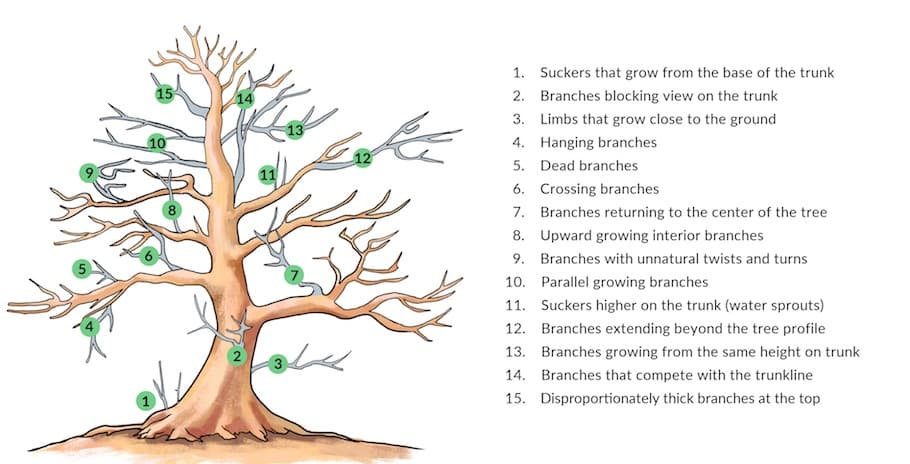
Many trees fail to back-bud because interior buds are starved of light; Homecrafttips points to selective canopy thinning to let light penetrate the crown. Remove crossing, shaded, or overly dense peripheral foliage so lower and inner buds receive more direct light; this should be done incrementally to avoid exposing roots or shocking the tree. Improved light penetration both stimulates bud break and allows you to inspect inner branch nodes for response, letting you target follow-up pruning where buds are forming.
7. Use short-back pruning and sub-branch shortening to force internal buds
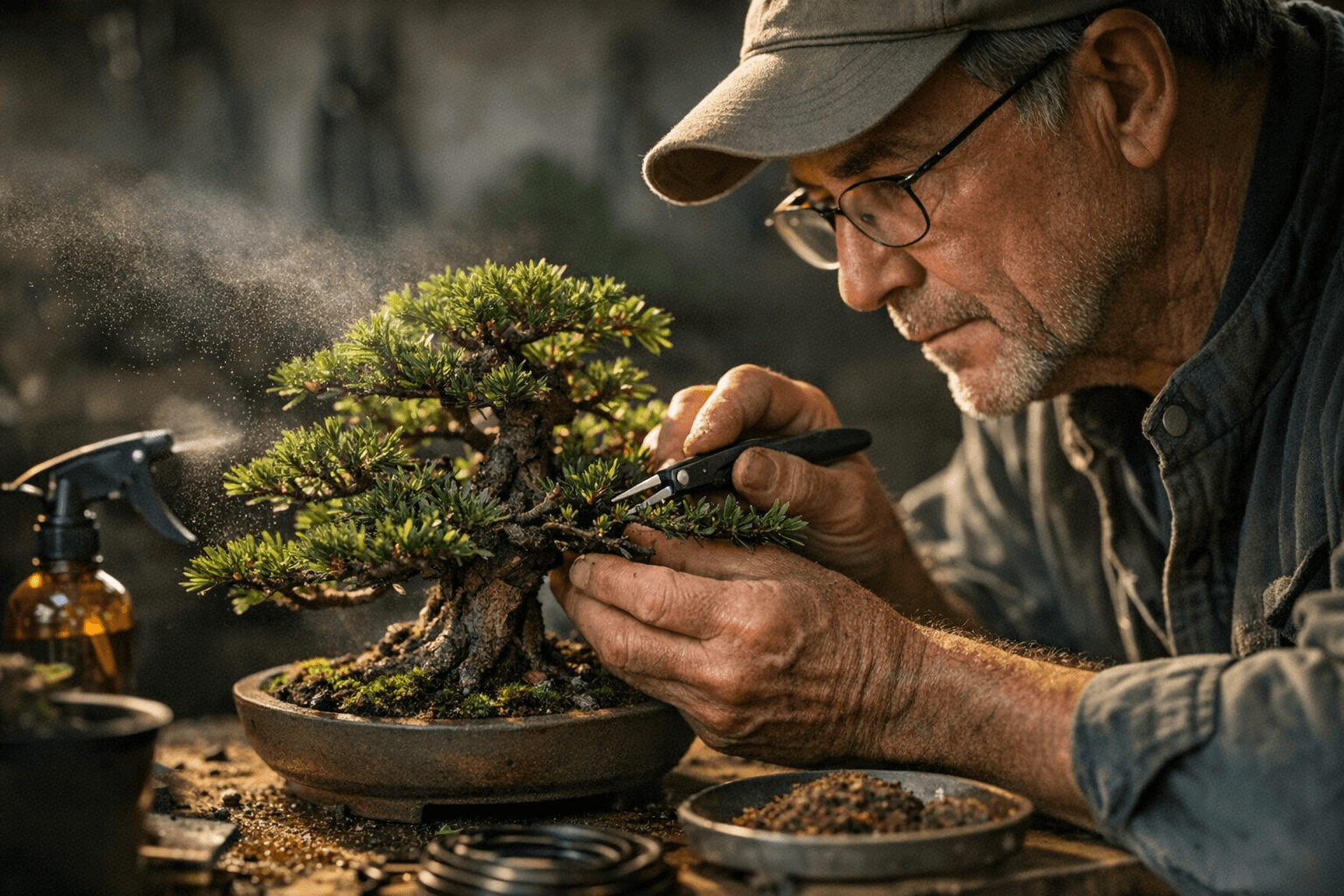
Shorten branches back to a node or secondary branch (short-back pruning) to stimulate buds immediately behind the cut. Homecrafttips treats short-back pruning as a surgical tool: cut to a well-positioned bud or lateral branch and expect multiple shoots to form from that node over the next growth period. Make clean cuts, seal larger wounds appropriately for your species if recommended, and plan the cuts to produce future ramification where you want structure and internal density.
8. Manage light exposure and microclimate rather than radical moves
Rather than wholesale relocation, tweak the tree’s microclimate to encourage bud activity: rotate the pot, raise or lower placement, or use reflective surfaces to boost light where interior buds sit. Homecrafttips stresses micro-adjustments as practical for homeowners, small changes in angle and light often have outsized effects on inner foliage over a season. Ensure any change keeps temperature and humidity within the tree’s comfort range so the intervention stimulates growth rather than causes stress.
9. Monitor timing and repeat interventions over seasons
Back-budding on many bonsai is an incremental, seasonal outcome; Homecrafttips frames success as the product of repeated, measured interventions over multiple growing cycles. Track when you prune, pinch, defoliate, or root-prune and note how buds respond in subsequent months so you can refine timing for your species. Expect visible progress across one to three seasons for intermediate-level work, patience and consistent technique are key.
10. Avoid common pitfalls and know when not to force buds
Do not apply every technique at once; Homecrafttips warns against combining heavy root pruning, full defoliation, and aggressive tip cuts in a single season on the same tree. Overstressing a tree can cause dieback or bud loss; instead, prioritize one or two compatible techniques per season and monitor the tree’s health metrics, leaf color, shoot turgor, and new bud swelling. If a tree is recovering from disease, transplant shock, or winter damage, postpone back-budding efforts until vigor stabilizes.
- Inspect interior bud sites before cutting, look for swelling or tiny buds that may be dormant.
- Choose one primary technique to apply this season (pinching, short-back pruning, or partial defoliation).
- Adjust fertilizer to a balanced formula and moderate nitrogen for several weeks after intervention.
- Record dates and outcomes; Homecrafttips highlights the value of notes for intermediate growers tracking bud responses.
Practical checklist for your next session
Closing note from the beat Homecrafttips’ February 20, 2026 guidance is aimed squarely at bonsai owners with that intermediate-level problem, sparse inner buds, so apply these techniques with a focus on balance and repeatability. Back-budding rarely happens overnight; with strategic tip control, light management, root balance, and patient follow-up, you can build the inner ramification that turns a good tree into one with convincing depth and structure.
Know something we missed? Have a correction or additional information?
Submit a Tip