Telecom coalition bets $40 smartphones will connect 20 million
A coalition of carriers and device makers aims to sell $40 phones to bring up to 20 million people online, but rising component prices threaten the plan's viability.

A coalition of telecom operators and handset manufacturers unveiled a campaign to push $40 smartphones into low-income markets, promising to bring up to 20 million people online. The initiative is built on a simple premise: drive broadband adoption by removing the cost barrier for a basic internet-capable device. Organizers say the price point would unlock access to services from banking to health information for millions who currently rely on feature phones or shared devices.
Delivering a mass-market smartphone at a $40 retail price, however, confronts a set of hard engineering and economic realities. Component prices for key parts such as application processors, memory, displays and power management units have risen in recent years, driven by sustained demand, regional supply constraints and higher shipping and manufacturing costs. Those increases compress manufacturers' margins and force tradeoffs in features, durability or software support that could reduce the devices utility for new users.
Reaching the $40 target requires either dramatic reductions in component costs, very large production runs at wafer-thin margins, or public and private subsidies to offset manufacturing losses. The coalition is pursuing a mix of approaches: simplified hardware designs that omit advanced sensors and high-resolution screens, pooled procurement to increase scale, and proposals for targeted subsidies or tax incentives from governments in intended markets. Each option carries risks. Simplified devices may fail to deliver sufficient performance for modern apps; subsidies require political will and budget allocation; and extreme volume commitments expose manufacturers to market demand volatility.
Carriers have a clear financial incentive to expand the addressable subscriber base. Low-cost smartphones can convert nonconnected users into data customers, increasing long-term revenue even at low average revenue per user. For public officials and development agencies, cheap smartphones promise rapid expansion of digital services, from mobile money to telemedicine. For consumers, a $40 device could mean the difference between isolated reliance on pay-as-you-go voice and affordable access to information and local markets.
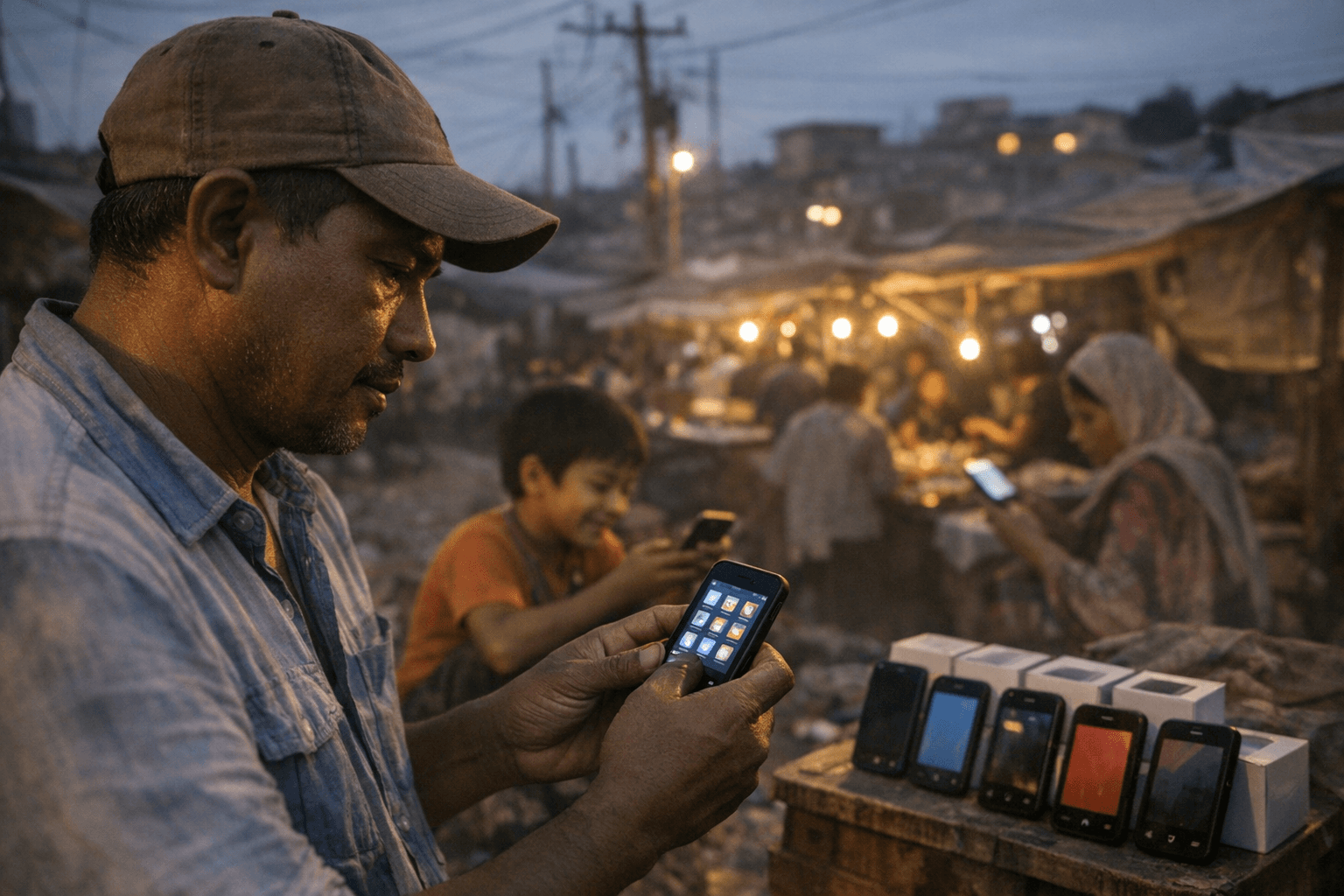
But the plan also raises operational and ethical questions. Devices priced tightly to cost may be less repairable and have shorter lifespans, increasing electronic waste in regions that already lack robust recycling infrastructure. Software support and security updates could be minimal if manufacturers cut post-sale service to meet price targets, leaving new users exposed to vulnerabilities. Transparency about device longevity, update policies and recycling programs will be crucial if the coalition wants the rollout to be both inclusive and sustainable.
Implementation will likely hinge on near-term shifts in component pricing or on securing public funds to underwrite part of the cost. If neither materializes, manufacturers may be forced to raise the retail price, scale back the distribution target, or favor refurbished devices as a lower-cost route to inclusion. The prospect of connecting 20 million people is tangible and potentially transformative; achieving it will require coordinating supply chains, public policy and after-sale support at a scale rarely attempted for the lowest-price end of the handset market. Without that coordination, the $40 ambition may remain an aspirational benchmark rather than a mass-market reality.
This article was produced by Prism’s automated news system from verified source data, official records, and press releases, then run through automated quality and moderation checks before publishing. The system is built and supervised by the people who set the standards it runs under. Read our full AI policy.
Did this article answer your question?