Temerland unveils Gnom-ND UGV to deploy and launch FPV kamikaze drones
Temerland’s Gnom‑ND wheeled‑tracked UGV carries and remotely launches FPV kamikaze drones, with deployment reportedly taking up to 30 minutes and FPVs operating up to 45 minutes.
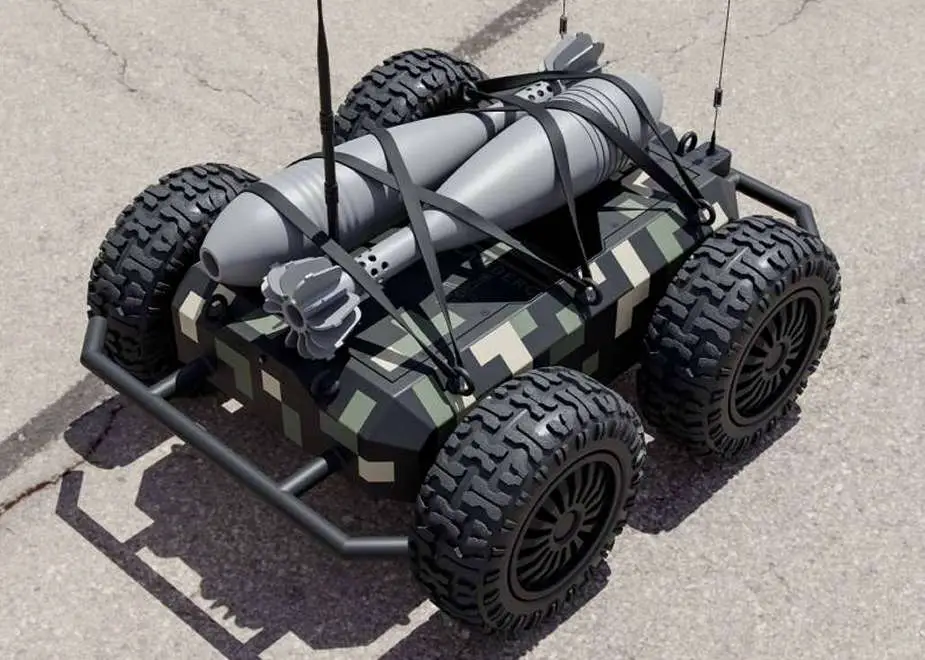
Gnom‑ND arrived as a platform designed to put FPV kamikaze drones deeper behind enemy lines and keep FPV operators out of immediate danger. Temerland publicly presented the Gnom‑ND on March 3, 2026, positioning the wheeled‑tracked UGV as a modular carrier and remote launch system that can be prepared for action in up to 30 minutes and that leverages FPV pilots who launch and fly the strike quadcopters from a distance.
The chassis is described as a wheel‑caterpillar hybrid that blends wheels and tracks to maximize cross‑country capability. United24 Media reported the design provides stability and traction in mud, snow and uneven landscapes, and Euromaidan Press emphasized the vehicle can traverse fields, forested areas and ruins while remaining largely undetectable. Multiple outlets published photos credited to Temerland alongside the rollout materials.
Communications and launch interfaces are extensive on paper. Oboronka / Mezha Ua lists Starlink, LTE, Lore, ELRS and fiber‑optic cable among available links, while Militarnyi and Mezha explicitly state that remote launch and control of the FPV can be carried out via radio or optical channels. Control comes via FPV drone remote control and laptop interfaces, and Mezha notes the platform can operate with its own Lead control system. United24 summarized the architecture as engineered to extend the operational range of aerial loitering munitions while keeping human operators at a safe distance from the front line.
Temerland framed the combat role in striking concrete rear targets. Euromaidan Press wrote that the robot “sneaks through ruins carrying drones in its belly, waits for Russian column, and strikes from bush,” and listed potential targets such as artillery crews, command posts, ammunition depots and lightly armored vehicles. Militarnyi and other outlets highlighted the tactic of placing the UGV in a deep position, waiting in ambush, and then launching FPV assets when a column or target enters range.
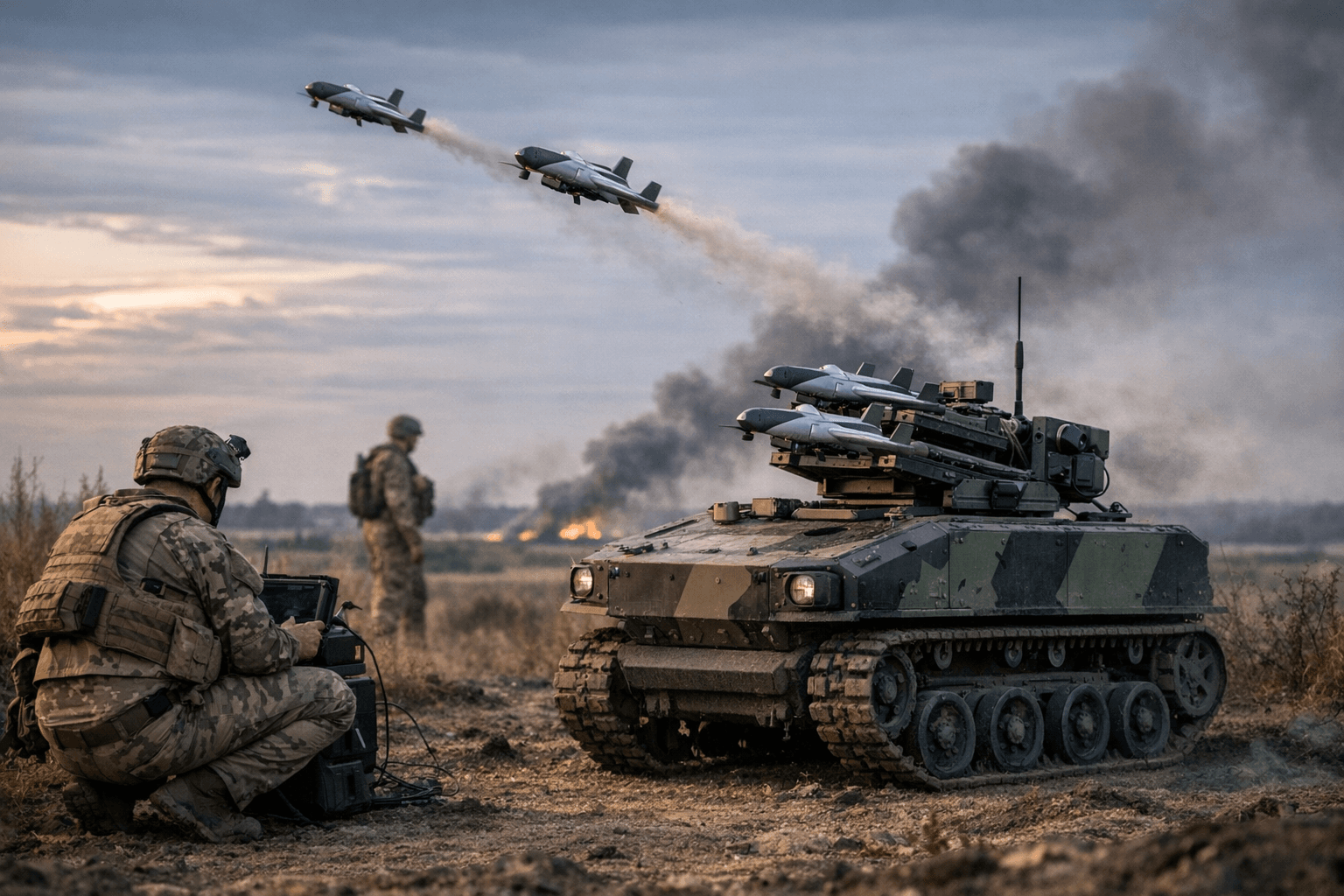
The Gnom‑ND joins a family of Ukrainian robotic effort and comparisons were explicit. Oboronka referenced a previous Gnom UGV modification of the Shuttle mobile robot used for evacuation, Militarnyi noted adaptations of the Ratel H ground robotic complex as a mobile FPV launch point, and United24 cited the tracked Donkey platform previously approved for logistics and surveillance. Mezha quoted Temerland directly: “This solution minimizes risks to people and expands the capabilities of departments thanks to robotic technologies.”
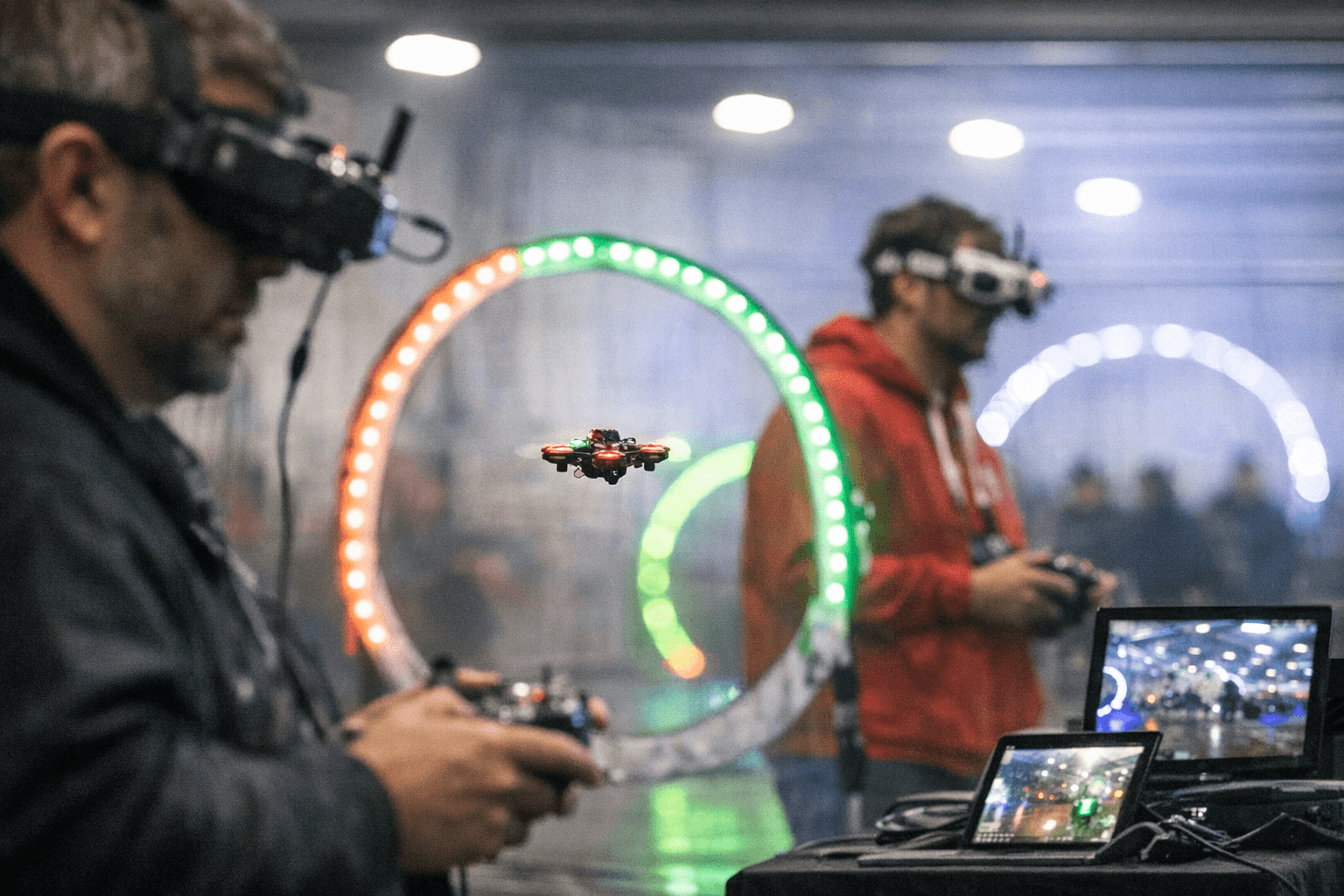
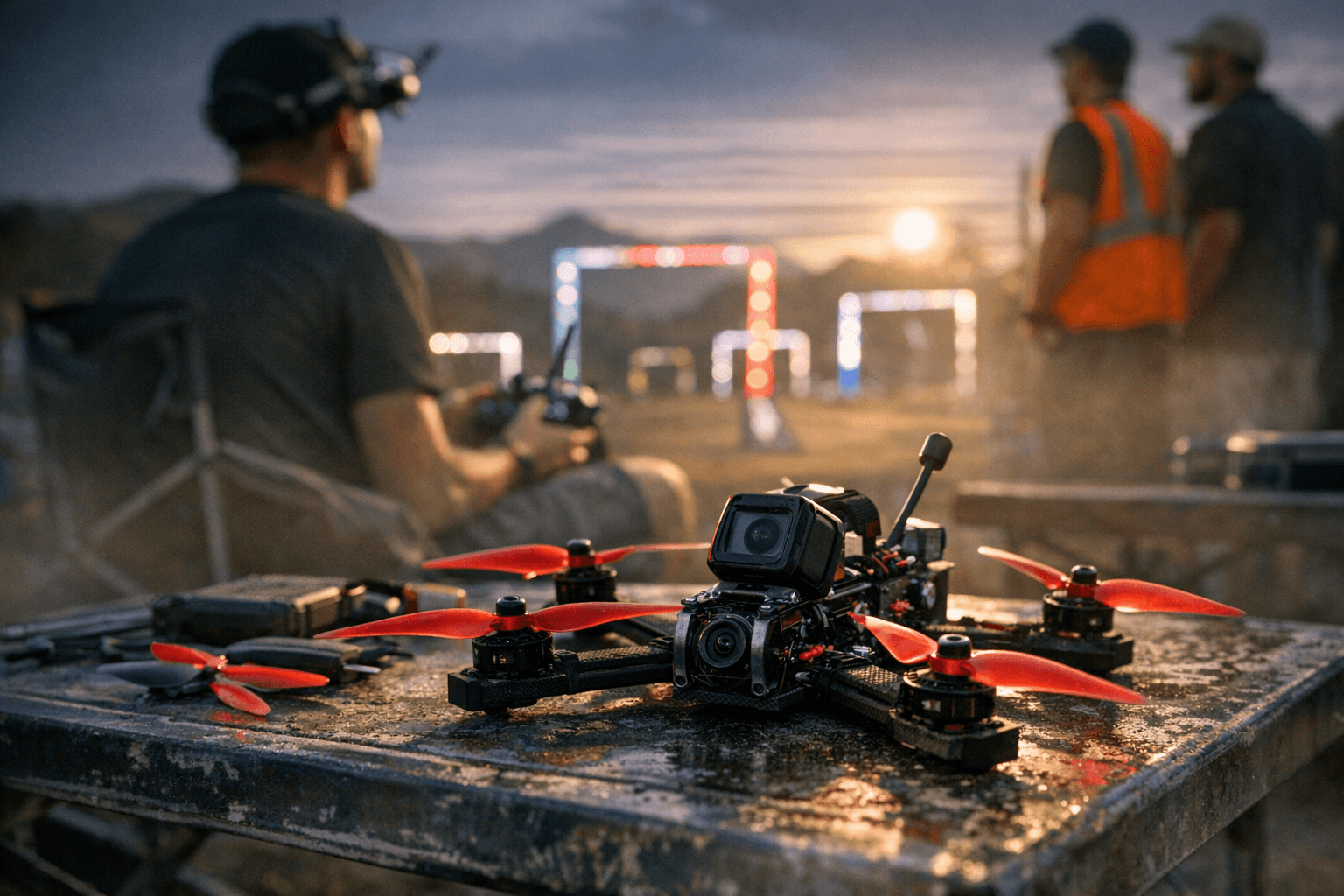
For the FPV community the immediate technical overlaps are notable: ELRS and the listed radio links are already staples of competitive and freestyle pilots, while the vendor claim that FPVs currently operate up to 45 minutes frames endurance expectations. Key verification remains outstanding: the company materials use the Gnom‑ND designation but outlets also printed variants as Gnome‑ND, Gnom‑NS and Hnom‑ND, and Mezha’s use of the term NRC and the spelling “Lore” require confirmation. Whether the platform is fielded, in trials, or demonstrator remains to be confirmed, but the Gnom‑ND presentation on March 3, 2026 crystallizes a tactical trend linking small FPV piloting skills, familiar radio stacks, and ground robotics that will reverberate across both defense procurement and the broader FPV pilot community.
Know something we missed? Have a correction or additional information?
Submit a Tip