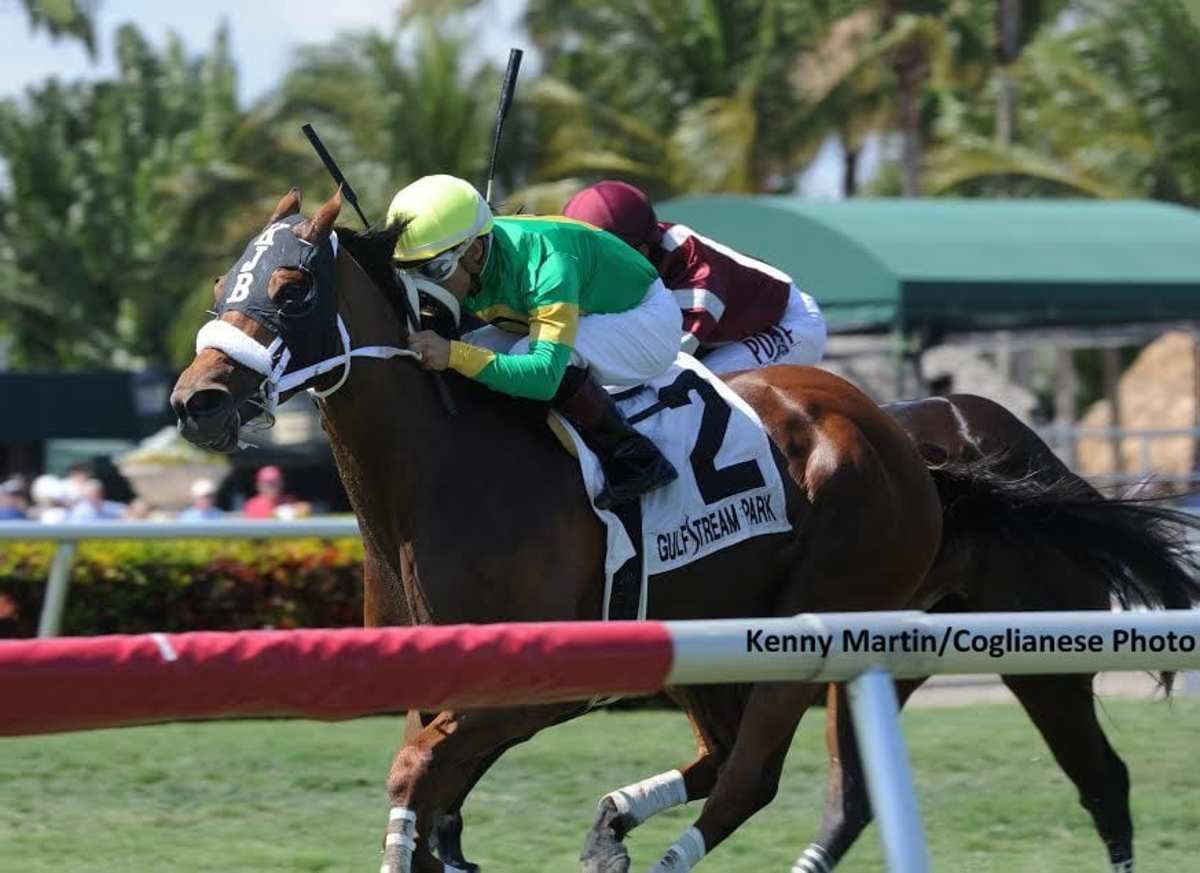
Ten Practical Handicapping Factors Thoroughbred Bettors Should Weigh
A practical primer distills ten handicapping factors, speed figures, pace, form, market signals, class, weight, stable form, margins, workouts and data metrics, vital for smarter wagers.

Serious bettors who want an edge should treat handicapping as both craft and data science. Start with recent speed figures: compare a horse’s last three runs and note class of competition, and remember that speed numbers aim to normalize times. Learn how speed figures quantify a horse's performance by adjusting race times for track conditions, making comparisons easier across different races. Include lifetime benchmarks too - "Best Lifetime Speed Number: This is the best speed number the horse has run in its lifetime regardless of date, surface, or track condition" - to spot one-off flashes versus consistent ability.
Pace and trip projection shape outcomes. Identify front-runners, stalkers and late closers by projecting early fractions and likely trip. Pace tools and trip handicapping will often reveal whether a predicted leader will survive or set up the race for a deep closer. Form remains fundamental: "Wins, 2nds, 3rds, 4ths and close-up efforts are all indicators of form runners." Recent placings and beaten margins tell you whether a horse is genuinely competitive or merely running against weak fields.
Read the market closely. The betting public compiles a powerful signal: "Around 80 per cent of ALL races go to one of the first four favs." Once you go outside the first four favourites "you are going into that outer range of 20 per cent of winners," so market position should be a key weight in your model, not an afterthought.
Class movement and weight determine whether raw ability can translate to wins. Class shifts matter - a country Maiden rated on 40 versus a WFA winner rated on 60 can equate to "some 20 kilos, or 13.3 lengths, between them." Likewise, practical weight checks are essential because "A horse has to be well weighted to win a race. Weight can stop a train."

Stable form, jockey and trainer stats are quantifiable advantages. "Good horses from good stables win good races. It's an old cliché but a true one." Use trainer and jockey numbers, recent stable form and pattern recognition to tilt probabilities. Margins and barrier effects also matter: stick with last-start winners and placegetters, add beaten-margin scrutiny, and appreciate that "A good draw - say from I to 7 can be worth a vital length or two in a tight finish."
Fitness, workouts and distance suitability close the preparation loop. Simple sums like 3f + 4f + 4f = 11 furlongs of work are useful; Betmix’s workout metrics even show historical returns - "If you would have bet $2 win on the horse ranked 1st in this factor over the last 40 races you would have lost $9.30, but betting them to place would have given you a profit of $7.00."
Finally, synthesize data with judgment. Use sortable factor groups - speed, pace, earnings, trainer/jockey, pedigree, form, class - to test which metrics produce the best Win %, Place % and ROI for each race type. "Each column can be sorted" to build a weighted mix tailored to sprint, route or handicap conditions. Apply these ten factors together and bettors convert scattered signals into disciplined selections that reflect both on-track realities and off-track market truths.
Know something we missed? Have a correction or additional information?
Submit a Tip