Tennis faces growing concern over pushy parents and player abuse
Tennis’s parent problem has become a safeguarding crisis, with online abuse, sideline pressure and weak intervention now shaping how junior players are protected.

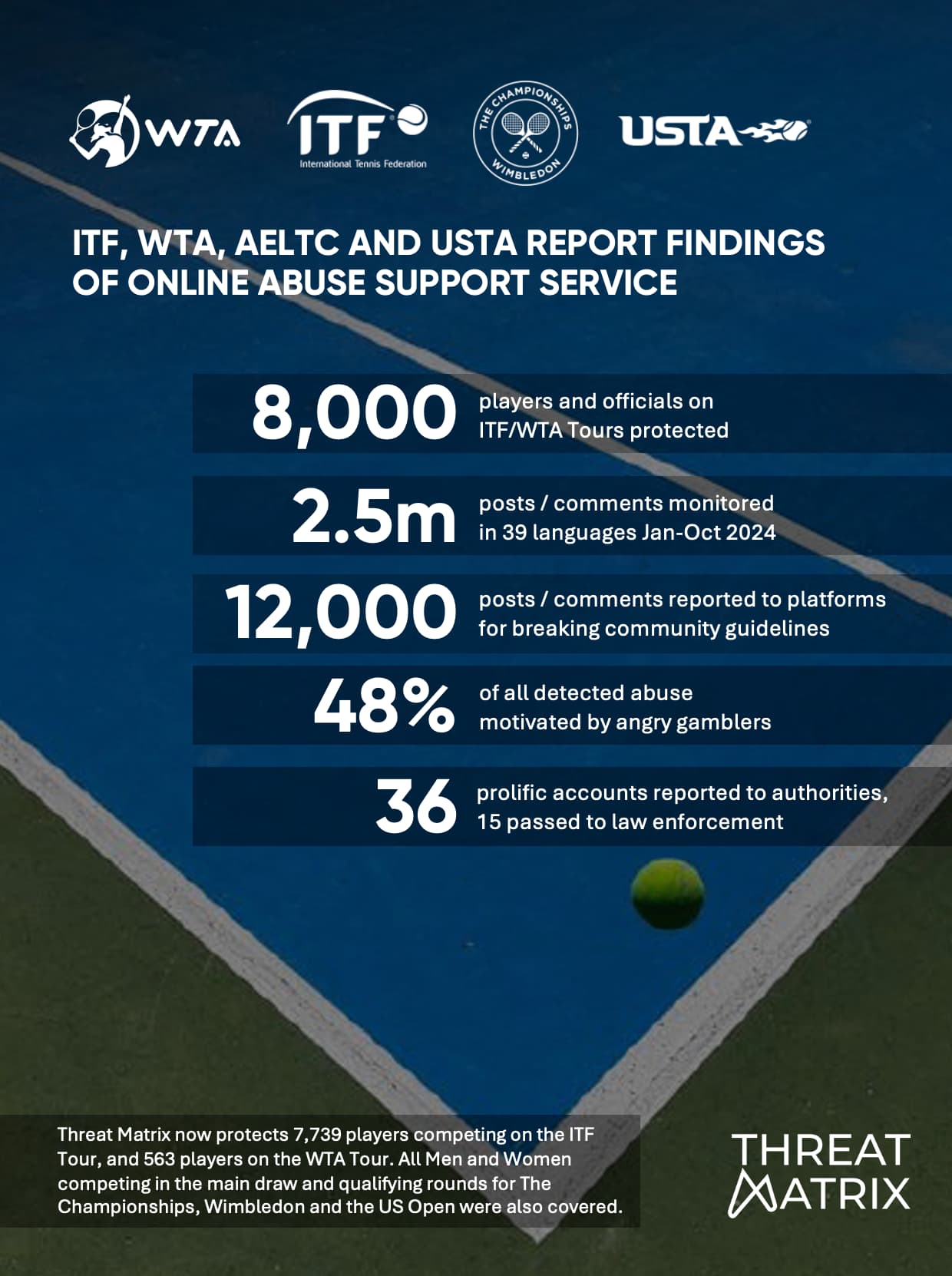
In December 2024, the International Tennis Federation, the Women’s Tennis Association, the All England Lawn Tennis Club and the USTA released Threat Matrix figures showing 12,000 abusive posts since its January 2024 launch, with 458 players targeted by direct abuse or threat during 2024. Pushy parents are no longer just a courtside nuisance in tennis; the sport’s adult-behavior problem is now being handled as a player-safety failure.
The pressure starts young. A 2006 study of 132 U.S. junior tennis coaches found that 59% viewed parents as a positive influence on a child’s development, but 36% saw them as negative influences, a split that shows how often support slides into control.
Why the sideline problem keeps returning
Junior tennis creates a setup that can reward extremes. It is an individual sport, children often compete alone, and the emotional and financial pressure around development can be intense. That combination makes a parent’s reaction feel bigger than a single match, because every dispute can be read as a judgment on a child’s prospects.
The underlying issue is not only bad manners, but a system that can normalize boundary-crossing when the stakes are high. When adults treat every missed shot as a crisis, the child is left to absorb the tension, the coach is squeezed between family expectations and performance demands, and clubs are often the first places where the behavior becomes visible without being decisively stopped.
What safeguarding means in tennis
The International Tennis Federation frames the problem in the language of safeguarding. The federation is committed to a “zero tolerance” culture for harassment and abuse in tennis, and defines safeguarding as action taken to promote children’s welfare and prevent and eliminate risks of injury or harm, including harassment, abuse and maltreatment.

A hostile parent on the sideline, a barrage of messages, or repeated intimidation is not just a lapse in sportsmanship if it threatens a child’s wellbeing. It becomes part of the sport’s child-protection duty, which is why governing bodies are increasingly treating misconduct as a structural problem rather than a series of isolated blowups.
The United States Tennis Association has built its response around Safe Play, a program that combines education, background screening and policies to create a safer environment for players of all ages. The USTA strongly encourages parents and legal guardians to complete free training on recognizing, responding to and preventing abuse in sport.
Britain’s Lawn Tennis Association treats safeguarding at tennis events and competitions as a top priority and provides resources for parents, coaches and young competitors. Abuse persists despite those resources unless clubs and event organizers actually use them.
The abuse problem now extends beyond the stands
The modern version of tennis harassment is not limited to shouting across a fence. The professional game now uses a dedicated monitoring service to track abuse, showing how routine the hostility has become.
In June 2025, the WTA and ITF called on the gambling industry to do more to tackle sports-betting-linked abuse. The problem has widened beyond parents or coaches and into online betting culture, where players and their families can become targets when results do not satisfy anonymous bettors.
Where the system still leaks
The clearest marker of failure is the gap between policy language and lived experience. Tennis bodies now have “zero tolerance” language, parent training, background checks and event safeguarding resources, but those measures should be judged against whether children still face intimidation, abuse and threats in large numbers.
A USTA review published on June 24, 2024, added to the broader player-safety push. The review followed ongoing concern, underscoring how difficult enforcement remains when clubs rely on parents for money, travel, coaching fees and informal support.
- no visible safeguarding lead at junior events
- no mandatory parent education before competition
- no clear reporting route for abuse or intimidation
- no follow-up when complaints are made
- no consequence when sideline behavior is repeated
Concrete failure points are easy to spot when the system is not working:
What accountability should look like at club level
Safeguarding has to be built into ordinary tournament life. That means background screening, abuse-prevention training, parent-facing resources, and clear rules that apply before a match becomes combustible. It also means clubs need complaint systems that are simple enough for families to use and firm enough to stop repeat offenders from treating warnings as optional.
This article was produced by Prism’s automated news system from verified source data, official records, and press releases, then run through automated quality and moderation checks before publishing. The system is built and supervised by the people who set the standards it runs under. Read our full AI policy.
Did this article answer your question?
.jpg&w=1920&q=75)