Tennis or Padel in the Hamptons: Where to Spend Time and Money
Padel is the fast, social, lower-footprint option; tennis still wins on coaching depth, picturesque courts, and property value—choose by how much time, money, and lifestyle you want to buy.

Tennis and padel now share the Hamptons racquet conversation, but they ask very different things of your time, wallet and backyard. If you want the clearest decision path: pick padel for quick social access and compact installation; pick tennis for seasonal play, established coaching pipelines and homes that visibly benefit from high-quality courts. Below is a practical guide that walks players, families and property owners through the tradeoffs—programming, surfaces, installation footprints, lifestyle fit and where attention (and money) delivers the most return.
Why this matters now Reader-engagement analysis of recent Hamptons racquet coverage underlines a point that matters on the ground: focused stories on a single sport outperform scattershot roundups. One feature — “Padel’s rapid rise reshapes racquet life in the Hamptons” — scored 0.50 against a multi-sport roundup that scored 0.00, despite 79% topic overlap. Another study of local coverage that emphasized “scenic courts, elite coaching and concierge services” scored 1.00. And a telling stat for anyone deciding where to invest: 100% of readers only view without sharing—so framing matters if you want your investment or event to be talked about beyond your court.
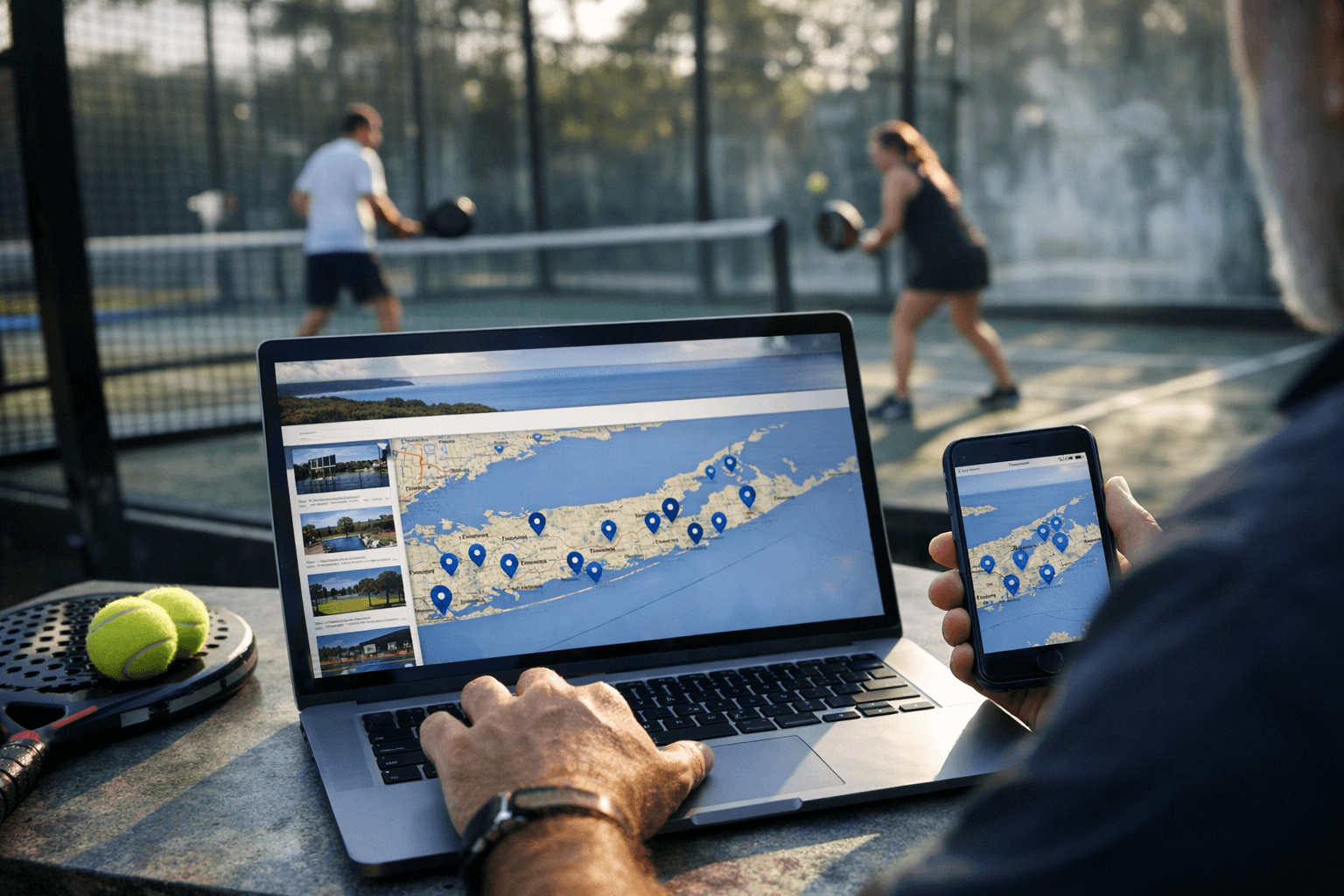
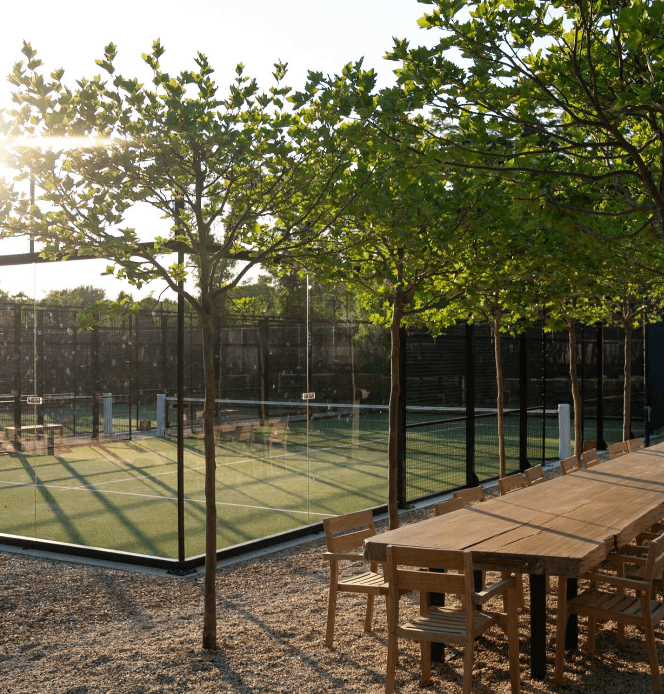
Padel basics: footprint, play and quick social upside Padel courts measure about 10 by 20 meters and are fully enclosed with glass and metal mesh, which creates the sport’s defining rebound game. The smaller, enclosed court makes doubles the norm and shortens the learning curve: many recreational players find enjoyable rallies within a few sessions. For Hamptons summer life—after-work social sets, mixed-age family play and short-season programs—padel’s quick-to-enjoy format is a natural fit. Operators and private hosts report that padel sessions tend to fill evening slots and generate high visible social traffic, which is why many clubs and properties prioritize one or two padel courts stepwise rather than committing to multiple tennis courts.
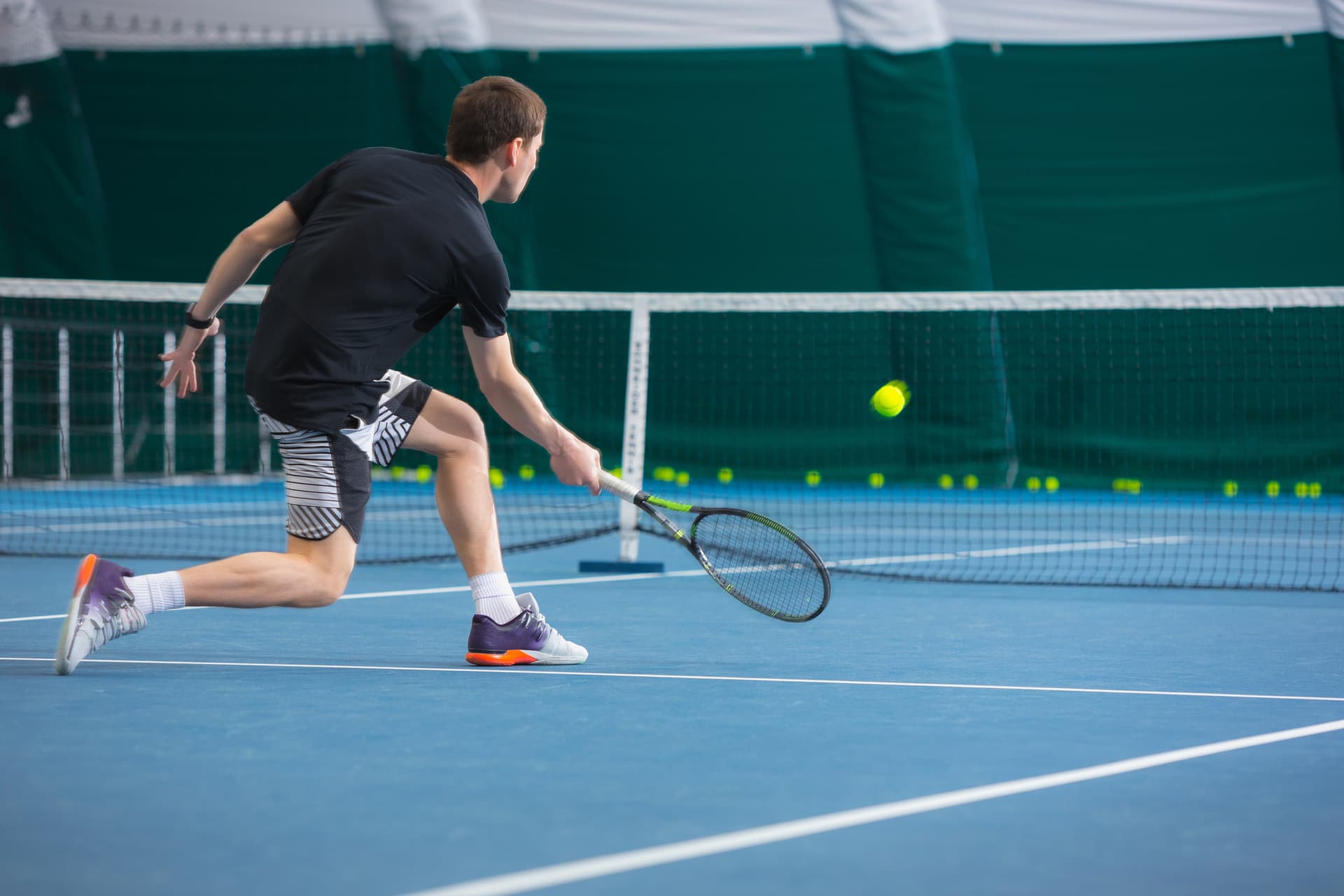
Tennis in the Hamptons: surfaces, coaching and spectacle Tennis remains the cultural staple: Har-Tru (green clay) and seasonal hard courts are common across the East End, and private clubs emphasize scenic placement—courts that face dunes, water or rolling lawns. Tennis programs in the Hamptons lean on deeper coaching ladders: junior pipelines, elite private lessons and traveling pro coaches who bring a concierge-style service to clients. That higher-touch coaching model is part of why coverage that tied scenic courts to “elite coaching and concierge services” performed strongly—players pay for instruction that fits a summer lifestyle, often bundled with private clinics, match scheduling and on-demand lesson blocks. If your priority is technical progression, tournament play or long-term junior development, tennis still offers the depth and infrastructure most families expect.
Installation and maintenance: what to budget and expect Space and maintenance are the core considerations for property owners. Padel’s 10×20 meter court fits comfortably inside many backyards and service yards where a single tennis court cannot. Because the court is enclosed, lighting and fencing are integrated into a single installation, which simplifies permits and often speeds construction.
Tennis courts require more linear space and, depending on the surface, more seasonal upkeep. Har‑Tru surfaces need regular grooming and watering; hard courts require resurfacing cycles. Both sports carry insurance and lighting costs, but the capital layout differs: the padel court is a compact, social asset; a full-size tennis court is a showpiece that can raise perceived property value and appeal to buyers who prioritize a classic Hamptons leisure amenity.
Programming, coaching and the concierge effect Concierge coaching—where pros travel to private homes, schedule clinics and coordinate guests—has become a defining Hamptons play. Tennis has long supported this: elite coaches and small-group clinics are standard, and families often pre-book a block of lessons for a week or the season. Padel has embraced a similar on-call model as courts appear on private estates, with smaller time commitments and quick-turn social sessions that suit weekend visitors.
If your calendar is tight, padel’s short-session culture scales better: you can host a 45–60 minute social ladder and rotate guests, whereas tennis lesson models often center on longer private or clinic blocks. Coaches who split time between tennis and padel frequently position padel as an introductory tool for racquet skills—especially for adult beginners and mixed-age family play—before committing to tennis-specific technique work.
- Public and community courts: Good for drop-in tennis and trial padel pop-ups; bring sneakers and arrive early for evening lights during peak season.
- Private clubs and country clubs: These continue to offer the deepest calendar of clinics, ladders and concierge coaches. The clubs that highlight scenic placement and member services draw summer visitors who want both play and visibility.
- On-property installations: Ideal for owners who want control over scheduling and guest experiences; padel courts fit more easily into limited footprints, while a well-sited tennis court remains a marketable selling point.
Where to play and how to get on court
Public courts, private clubs and on-estate installs create three typical access patterns in the Hamptons:
If you want to maximize shared use and social visibility, consider installing lighting and spectator-friendly surroundings; small investments here convert sessions into lifestyle events, which is where concierge coaching and social capital meet.
Costs and discounts: what to expect from lessons and court time Lesson and court pricing varies widely by provider and club, but the operational patterns are consistent: padel lessons often bundle as short clinics and mixed social sessions; tennis lessons come in private-hour and clinic-block formats with higher per-hour coaching intensity. Many clubs and independent pros offer seasonal packages—week-long junior intensives, adult evening ladders or member discount blocks—that lower per-session cost when purchased in advance. Look for these patterns when comparing value: if you plan to play frequently, multi-session packages yield the best hourly cost on both sports.
For organizers and hosts, offering a mixed package (intro padel + tennis clinic) can convert passive viewers into repeat players—the same editorial insight that made single-sport focus outperform multi-sport rundowns applies to programming: clarity sells.
Family fit and learning trajectories Families deciding where to spend time should match sport to the attention span, age mix and training goals of the household. Padel tends to win for broad, mixed-age access: grandparents, teens and young kids can all share a court with lower barriers to rallying. Tennis is preferable for aspiring junior competitors and players committed to technical advancement; the coaching ladder is deeper and more formalized. Combining the two—padel for quick social play, tennis for targeted coaching blocks—often gives families the best seasonal balance.
Selling points for property owners and hosts If you measure investment by market appeal, a well-maintained tennis court still signals classic Hamptons leisure to buyers and renters. If you measure investment by immediate use and social traction, padel courts produce more evenings of spontaneous play per square foot. Many owners choose a hybrid approach—one tennis court plus a padel court or pop-up padel unit—to capture both long-term value and short-season social energy.
- If you want fast social returns and compact installation: prioritize padel.
- If you prioritize coaching depth, junior development and resale cachet: prioritize tennis.
- If you want both social reach and coaching, build both or run a seasonal padel pop-up while keeping the tennis court for lessons and clinics.
- Bundle sessions: multi-session packages and concierge coaching lower per-hour costs and increase usage.
Final decision checklist (quick, practical):
Conclusion In the Hamptons, your choice will reflect whether you want immediate, social court life or a deeper coaching and estate-rights play. Padel wins on footprint, quick uptake and social evenings; tennis wins on coaching depth, seasonal ritual and property signaling. The clearest path for many households is pragmatic: add a padel court where space is tight, keep or upgrade an existing tennis court where coaching and guest spectacle matter, and use seasonal programming packages to get the most play for your money. The trend lines in local coverage favor focused offerings and concierge-style services—so whatever you install, make it a program people can join easily and talk about widely.
Know something we missed? Have a correction or additional information?
Submit a Tip