Tens of Thousands Protest in Somalia After Israel Recognizes Somaliland
Tens of thousands of Somalis are taking to the streets in coordinated nationwide protests after Israel announced recognition of Somaliland, a move that has ignited political fury and raised fears of wider regional tension. The Somali government has appealed to the U.N. Security Council, while Ankara and other international partners have voiced strong opposition, highlighting diplomatic and humanitarian risks for vulnerable communities.
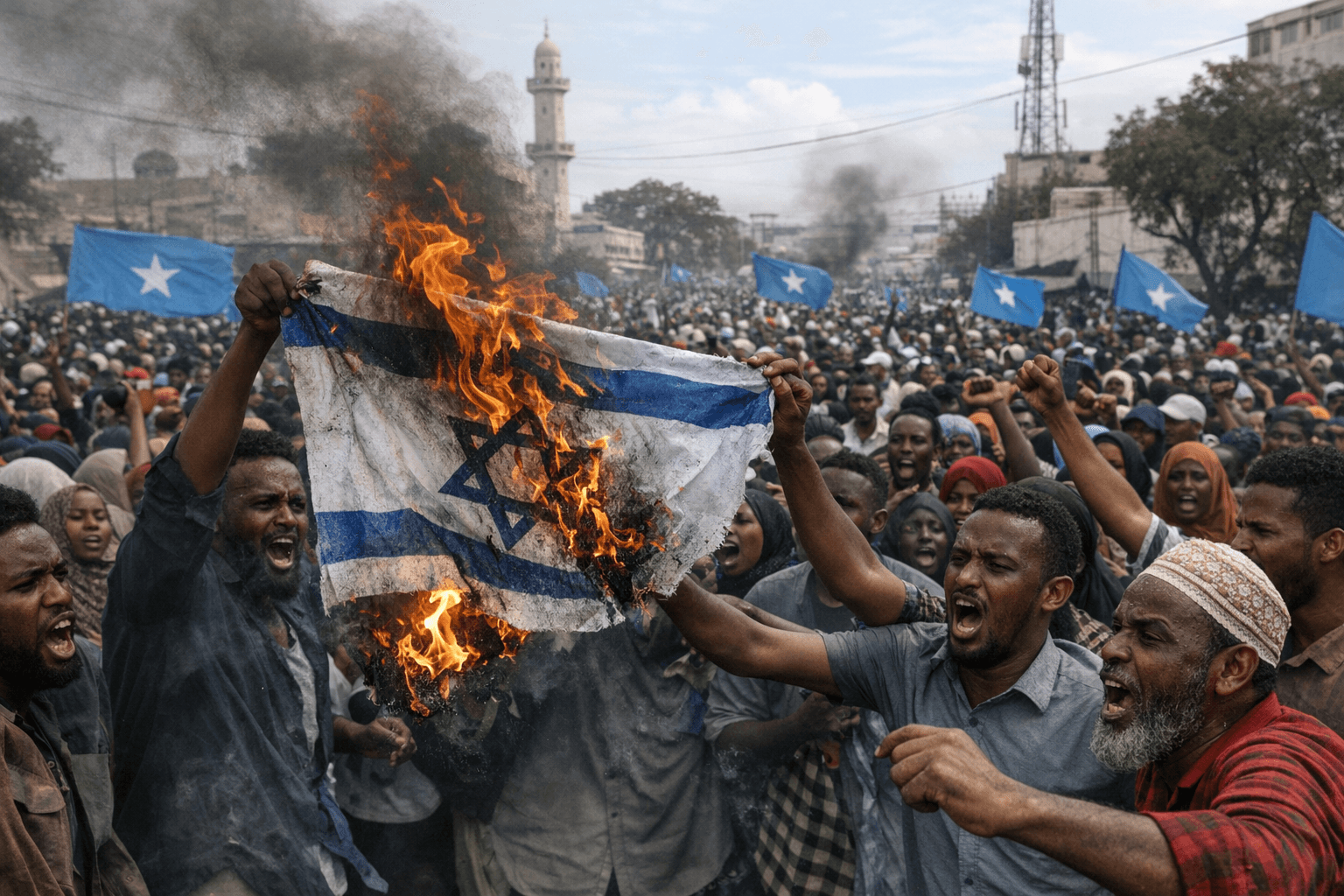
Tens of thousands of Somalis packed streets across the country on December 30 in coordinated demonstrations after Israel recognized Somaliland, a break with decades of international practice and a flashpoint for national sentiment. Protesters accused the decision of violating Somalia's territorial integrity and called on their government and international actors to reverse the recognition. The rallies, organized in cities and towns across the country, reflected deep public anger and a widespread sense that an external decision could upend fragile political arrangements.
Somalia's government moved swiftly to lodge a formal complaint with the U.N. Security Council, seeking international intervention and a reversal of the recognition. Foreign ministry officials framed the action as a breach of Somalia's sovereignty and asked the council to consider measures to prevent escalation. Leaders in Ankara were among the most vocal international critics, condemning the recognition and urging restraint. Other governments and regional institutions have expressed concern about the precedent the move sets for boundaries and self determination across Africa.
The recognition of Somaliland by Israel was described by officials as unprecedented. Somaliland declared itself independent in 1991 and has maintained a functioning administration and relative stability compared with much of Somalia. That status has not been widely recognized internationally, and the sudden diplomatic shift has reopened long standing debates about post colonial borders, the rule of law, and the international system for recognizing new states.
The immediate public health and humanitarian consequences of the protests are notable. Large scale gatherings in cities with limited emergency medical capacity can increase demand on stretched health services, disrupt routine care and delay treatment for patients with chronic conditions. Hospitals and clinics in parts of Somalia already operate with constrained supplies and personnel, and a surge of injuries or pressure on transport can reduce access to maternal and child health services, vaccinations and ongoing care for people with HIV, tuberculosis and other conditions. For communities already coping with poverty, hunger and displacement, the added stress of political crisis compounds existing inequities.
Beyond acute medical needs, the protests risk worsening longer term social and economic damage. Road closures and market disruptions can constrain food access and income for households that live day to day. Women, children and the elderly often bear the brunt of such shocks, facing greater obstacles to reaching clinics and safe shelter. Mental health impacts from violence or prolonged uncertainty are also likely to grow in a country where mental health services are scarce.
Diplomatic channels will be critical to defuse tensions while protecting civilian life and essential services. The Somali government has framed the U.N. Security Council appeal as a bid to secure an international response that preserves national unity and prevents external meddling from triggering armed confrontation. Humanitarian organizations and health providers will need unimpeded access to deliver care, and donors may be called on to support emergency medical capacity and protection for vulnerable groups.
As world capitals weigh their responses, the central imperative for Somali leaders and foreign governments is to prevent violence, safeguard health systems and ensure that political disputes do not translate into deeper humanitarian crises for communities already struggling to recover.
This article was produced by Prism’s automated news system from verified source data, official records, and press releases, then run through automated quality and moderation checks before publishing. The system is built and supervised by the people who set the standards it runs under. Read our full AI policy.
Did this article answer your question?