Tentative Deal Ends SFUSD Teachers Strike, District Faces Deficit, Possible Layoffs
Tentative deal ends SFUSD teachers strike and schools will reopen; the district faces a $102 million shortfall and possible layoffs that could affect staffing and programs.
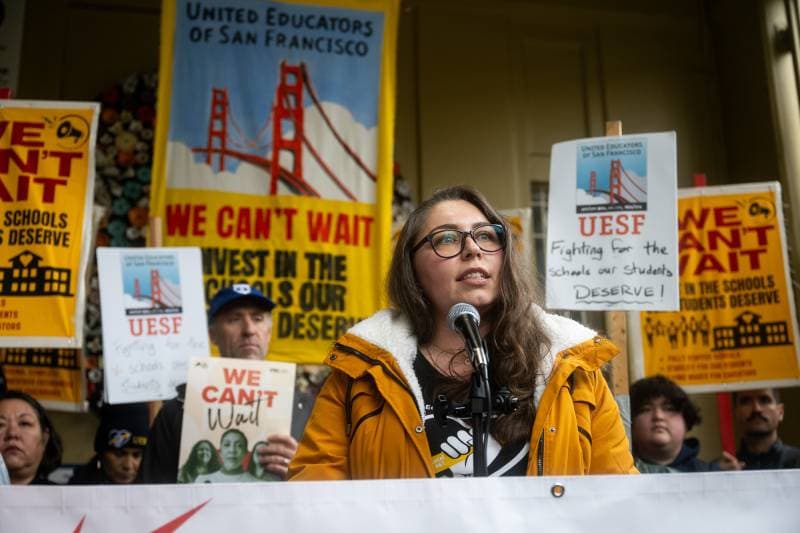
San Francisco Unified School District and United Educators of San Francisco reached a tentative agreement that ended a teachers strike that closed schools this week, and families were told classes would resume Wednesday, February 18. The deal includes wage increases and, for the first time in district history, full family health benefits, a change Superintendent Maria Su called monumental.
“This is truly monumental. For the first time in our school district’s history, we are providing full family health benefits,” Maria Su said, according to the Associated Press. Reports note funding for family health plans will be supported by a special parcel tax.
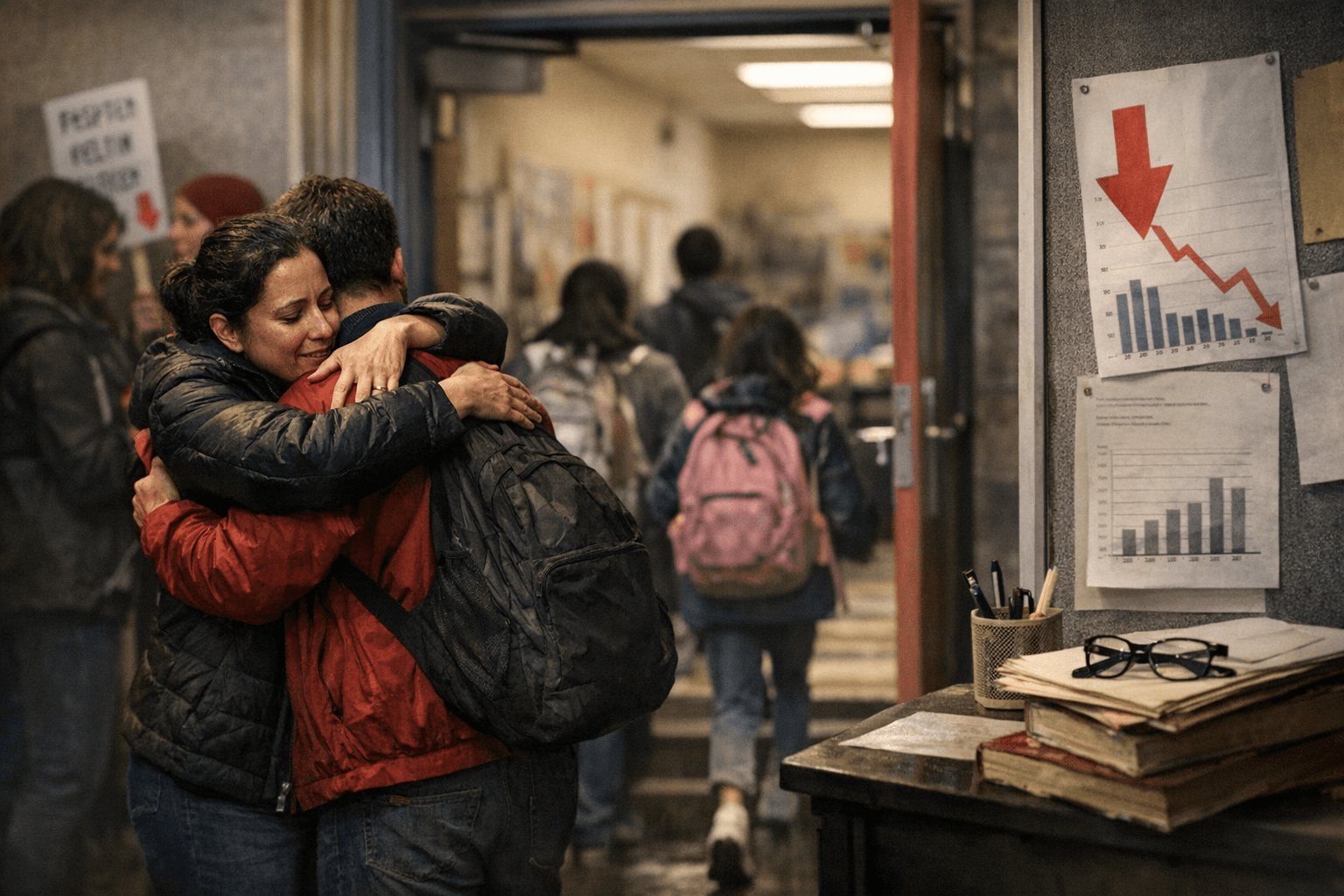
Even as the agreement restores classrooms, the district is warning of steep fiscal pressure. SFUSD officials and reporting cite a current-year deficit of roughly $102 million; other outlets described the gap as “over $100 million” or $100 million. SFUSD said it cut $114 million last year and that about $51 million in unrestricted general funds is exposed this year, putting staffing, central office operations, and professional development at risk.
SFUSD’s public statement spelled out the legal constraints driving its message: “Budgets must be balanced. By law and by basic standards of good governance, SFUSD must adopt a balanced budget, meaning planned spending cannot exceed reliable, ongoing revenues. Intentionally budgeting to spend money the District does not actually have would create an unbalanced budget, which is not allowed. Fund balance is not guaranteed. Some years, there is fund balance. Some years, there is not. If the District plans to spend more than it takes in, it can very easily end the year in a deficit. That is exactly how districts end up in fiscal crisis.” The district listed possible consequences explicitly: Emergency mid-year cuts; Layoffs of teachers and staff; Program eliminations; Instability for students and families.
Union and community leaders framed the outcome differently. UESF Executive Vice President Frank Lara described belt-tightening as a “separate conversation” from “this historic agreement.” Local organizers and advocates won protections negotiated into the tentative deal, including protections for immigrant students, staff training on federal immigration enforcement, a commitment not to use artificial intelligence to replace teachers, and an exploration of rewriting outreach worker job descriptions so federal funds could pay those positions. Advocates secured a pledge to preserve the elementary band program, which Ortiz called “the pipeline feeding the district’s award-winning secondary music programs.”
Rank-and-file pay figures remain murky in reporting: one outlet reported a 5 percent rise, a neutral fact-finding panel recommended 6 percent over two years, and UESF had sought 9 percent, a 9 percent ask that was estimated to cost an additional $92 million annually. The tentative deal must be ratified by the Board of Education and a majority vote of union members before it becomes final.
The strike closed schools for some 50,000 students and exposed wider policy issues: declining enrollment and the end of COVID relief funds have reduced state funding, and the district remains under state fiscal oversight. A reporter at the Superintendent’s news conference asked pointedly about cuts: “…the union was very happy with what they got, but you were staring at a hund00 million budget deficit. Are we talking about down the road budget cuts, um, layoffs, school closures? Are we talking about that? And they did say if it does happen, it's on you and not them.” Maria Su responded that negotiating “meant both making sure that we provide and honor our educators whilst continuing to stay fiscally responsible. So, as we were negotiating with our partners, we made sure that we were within the limits that we had set for ourselves,” and she stressed the district still needs more support in the future.
For San Francisco residents, the immediate relief is restored classrooms and expanded family health coverage for district staff. The longer term test will be whether the Board and union ratify the pact and whether the district can close a $100 million-plus gap without resorting to layoffs or program cuts. LaTimes reporting warns that if layoffs are needed, employees would receive notices this spring, making the coming weeks critical for budget decisions and for homeowners if a parcel tax is proposed to shore up benefits.
Know something we missed? Have a correction or additional information?
Submit a Tip