Tesla China Made EV Sales Rise, Showing Market Resilience
Tesla’s China made electric vehicle sales rise 9.9 percent year on year in November according to China Passenger Car Association data, driven by stronger month on month output and export volumes for Shanghai built Model 3 and Model Y. The increase signals demand resilience in the world’s largest auto market, a development investors are watching for signs of stabilization as 2026 approaches.

Tesla’s China made electric vehicle sales increase 9.9 percent year on year in November, the China Passenger Car Association data show, reflecting a pickup in shipments from the automaker’s Shanghai production hub. Month on month, output and exports of the Shanghai built Model 3 and Model Y rise markedly, a pattern that has helped offset pressure from intensifying domestic competition.
The CPCA figure is notable because it comes after an extended period of challenging conditions for foreign automakers operating in China. In recent quarters, slowing overall demand, aggressive pricing and rapid product upgrades by local manufacturers weigh on margins and market share for incumbents. Against that backdrop, Tesla’s November performance suggests the company is sustaining consumer interest through a combination of production scale, export demand and model line momentum.
Investors interpret the data as an early signal that the Chinese auto market could be stabilizing heading into 2026. Market participants typically look for a continued recovery in December sales and early year indicators to confirm a durable turnaround. For Tesla, resilient sales in China carry outsized importance because the Shanghai Gigafactory serves both domestic and global markets, influencing unit economics, supply chains and pricing flexibility.
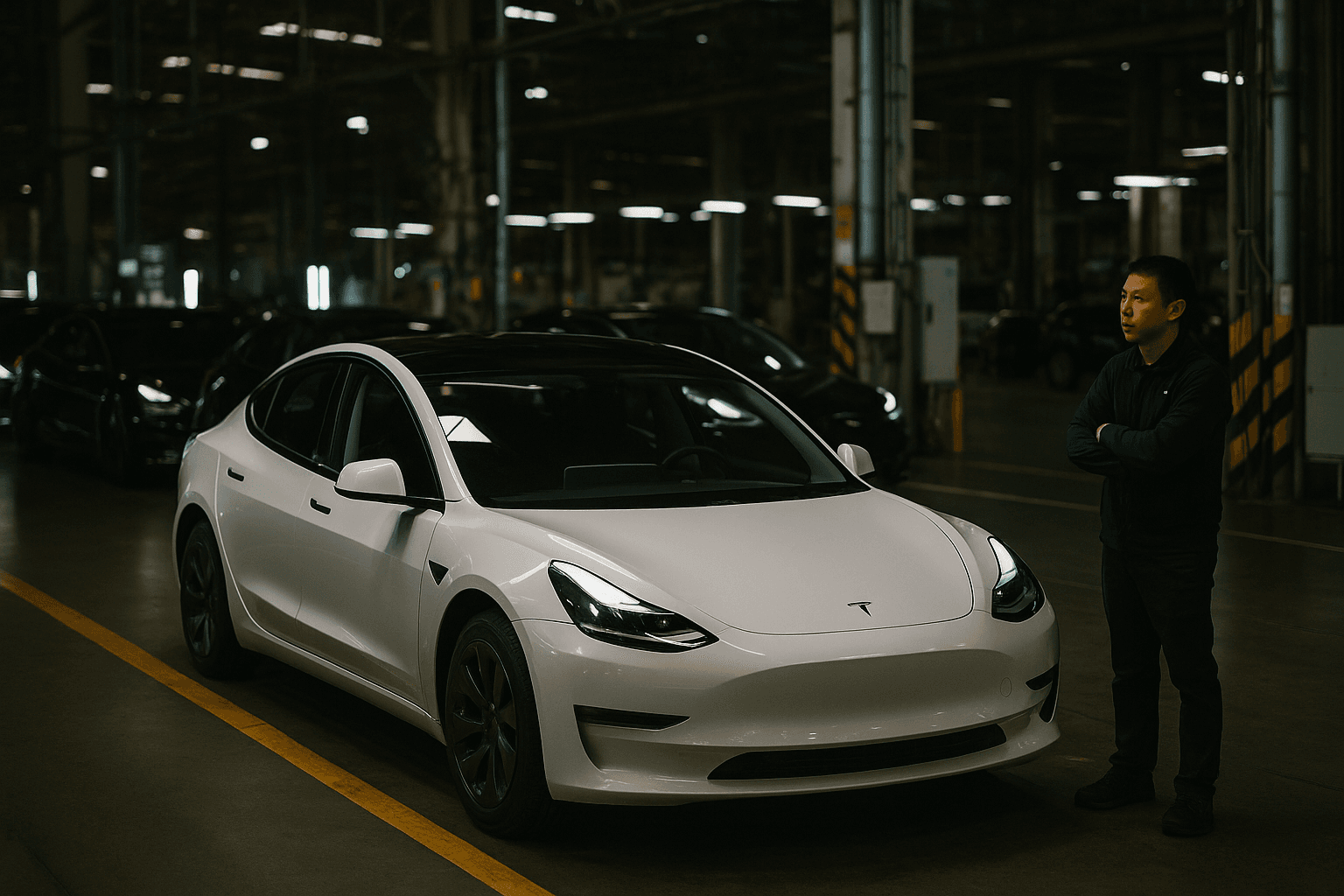
The rise in exports from Shanghai underscores a broader trend of Chinese production hubs serving international demand. Continued strength in exports can help manufacturers smooth seasonal swings in domestic orders and improve factory utilization rates. For Tesla, higher export volumes could support margins even if local price competition persists, although global logistics and currency swings remain variables that can erode some gains.
Domestic automakers continue to press their advantage with rapid model cycles and competitive pricing, maintaining pressure on foreign brands. The CPCA data point therefore does not remove the strategic imperative for Tesla to manage price competitiveness and product refreshes in China. At the same time, the company’s ability to increase output and move more vehicles across borders speaks to operational resilience and the depth of its supply chain in the region.
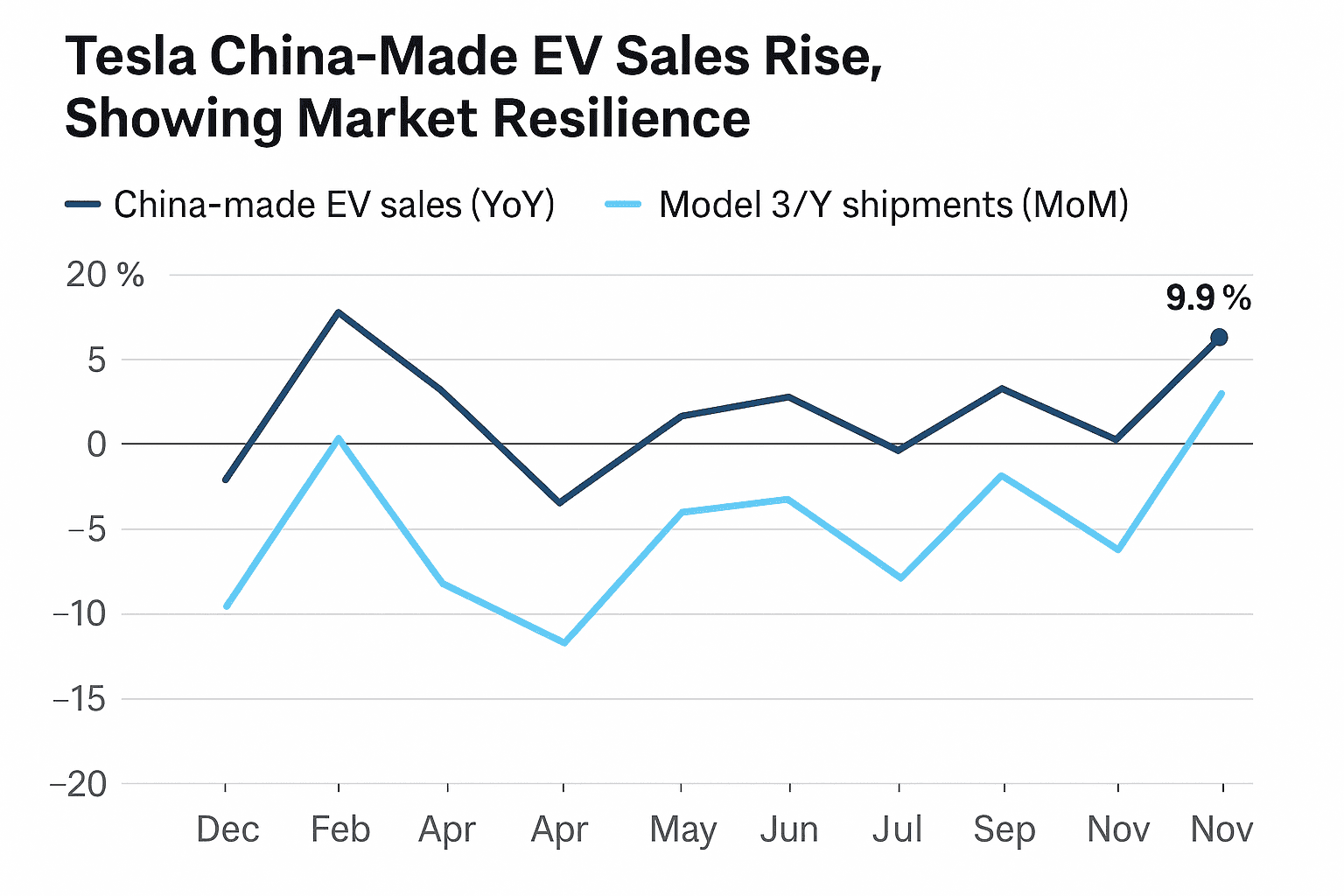
Policy and regulatory settings also shape the outlook. Chinese government measures on EV incentives and local industry support influence purchase decisions and investment strategies across the sector. Any sustained market improvement will depend on the interplay between consumer stimulus, urban EV infrastructure rollout and the competitive responses from domestic manufacturers.
Looking ahead, analysts will watch December sales, first quarter volumes and export trajectories to gauge whether November’s gain is an inflection point or a temporary rebound. For consumers and investors, the immediate implication is that Tesla remains a formidable competitor in China, and that the broader auto market may be entering a more stable phase as manufacturers position for growth in 2026.
This article was produced by Prism’s automated news system from verified source data, official records, and press releases, then run through automated quality and moderation checks before publishing. The system is built and supervised by the people who set the standards it runs under. Read our full AI policy.
Did this article answer your question?

