Tesla Pushes Running Cost Pitch, Seeks Buyers Amid High Prices
Tesla intensified efforts to persuade Indian consumers that low maintenance and cheaper electricity will offset high upfront import prices, according to a report published November 26, 2025. The sales data showing just over 100 Model Y registrations underscores the challenge of growing in a market with steep import tariffs and strong local price sensitivity, but longer term cost dynamics and infrastructure expansion could widen an opportunity for the company.
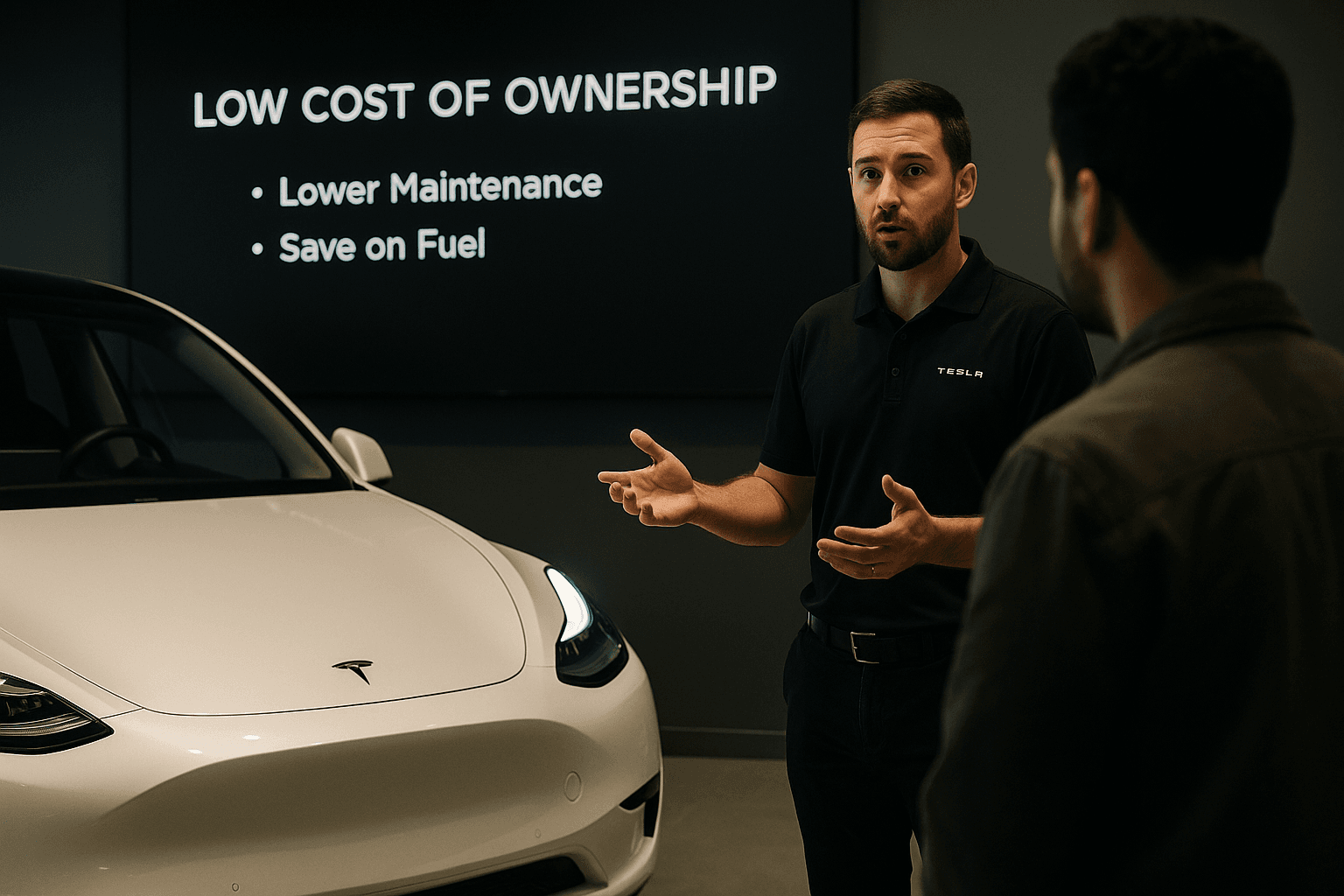
Tesla stepped up a cost of ownership argument in India as it attempts to build demand for imported Model Y sport utility vehicles, a strategy spotlighted in a report published November 26, 2025. Company executives emphasized that lower routine maintenance and reduced fuel bills from electricity could meaningfully offset the high upfront price created by India’s 100 percent import tariff on cars. The claim reflects a wider industry effort to shift consumer attention from sticker price to cumulative running costs over several years.
Government vehicle registration data cited in the report showed just over 100 Model Y units had been registered in India since deliveries began, a tiny figure relative to the scale of the Indian passenger vehicle market. The low sales tally highlights the structural impediments Tesla faces in expanding here, principally the full import duty that effectively doubles the landed price of foreign built vehicles, and a market where many buyers are highly price sensitive.
Tesla is positioning itself for a niche affluent buyer base while hoping total cost of ownership calculations and charging network improvements change purchase math for more customers. Electric vehicles generally have fewer moving parts than internal combustion cars, which reduces maintenance intervals and costs. Electricity per kilometer can also be materially cheaper than petrol for drivers who can access home or workplace charging, especially as public charging infrastructure increases and rates stabilize.
Policy and competitive factors complicate the equation. India’s industrial and trade policy has pushed for local manufacturing and supply chains, signalling that long term scale for foreign automakers may require investments in domestic production. With a 100 percent import tariff that remains in place, imported electric cars are likely to be confined to a small luxury segment unless Tesla opts to establish local assembly or the government revises duty structures or offers targeted incentives for EV makers. Competition from Indian manufacturers and global automakers that pursue local production strategies will also pressure Tesla’s market share if it continues to rely on imports.
Market implications are twofold. In the near term, Tesla’s imported Model Y will likely occupy a very small slice of India’s new car market, serving buyers who prioritize brand and performance over price. Over the medium term, broader adoption depends on battery cost trajectories, expanded charging infrastructure, and industrial policy choices that lower acquisition costs. Falling battery prices and improvements in charging could strengthen the total cost advantage of electric vehicles, making ownership economics more compelling for a wider range of buyers.
For policymakers, the Tesla example presents a trade off between protecting local industry through high tariffs and accelerating adoption of low emission vehicles through lower barriers to entry or incentives for local investment. For Tesla, the choice will shape whether it remains a boutique import seller or becomes a participant in India’s potentially large and evolving electric vehicle market.
This article was produced by Prism’s automated news system from verified source data, official records, and press releases, then run through automated quality and moderation checks before publishing. The system is built and supervised by the people who set the standards it runs under. Read our full AI policy.
Did this article answer your question?

