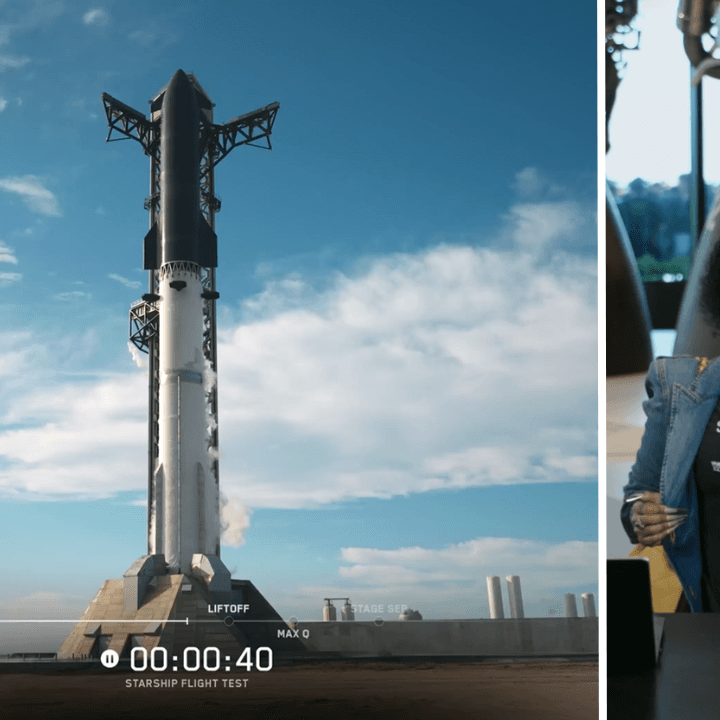
Tesla's Full Self Driving Rollout in South Korea Concerns Rivals
Tesla begins offering its supervised Full Self Driving service in South Korea today, prompting worry among domestic automakers that the feature could shift consumer expectations and pricing pressure. The move highlights regulatory, infrastructure, and adoption challenges in dense urban markets like Seoul, and could reshape competition between Tesla and local makers such as Hyundai and Kia.
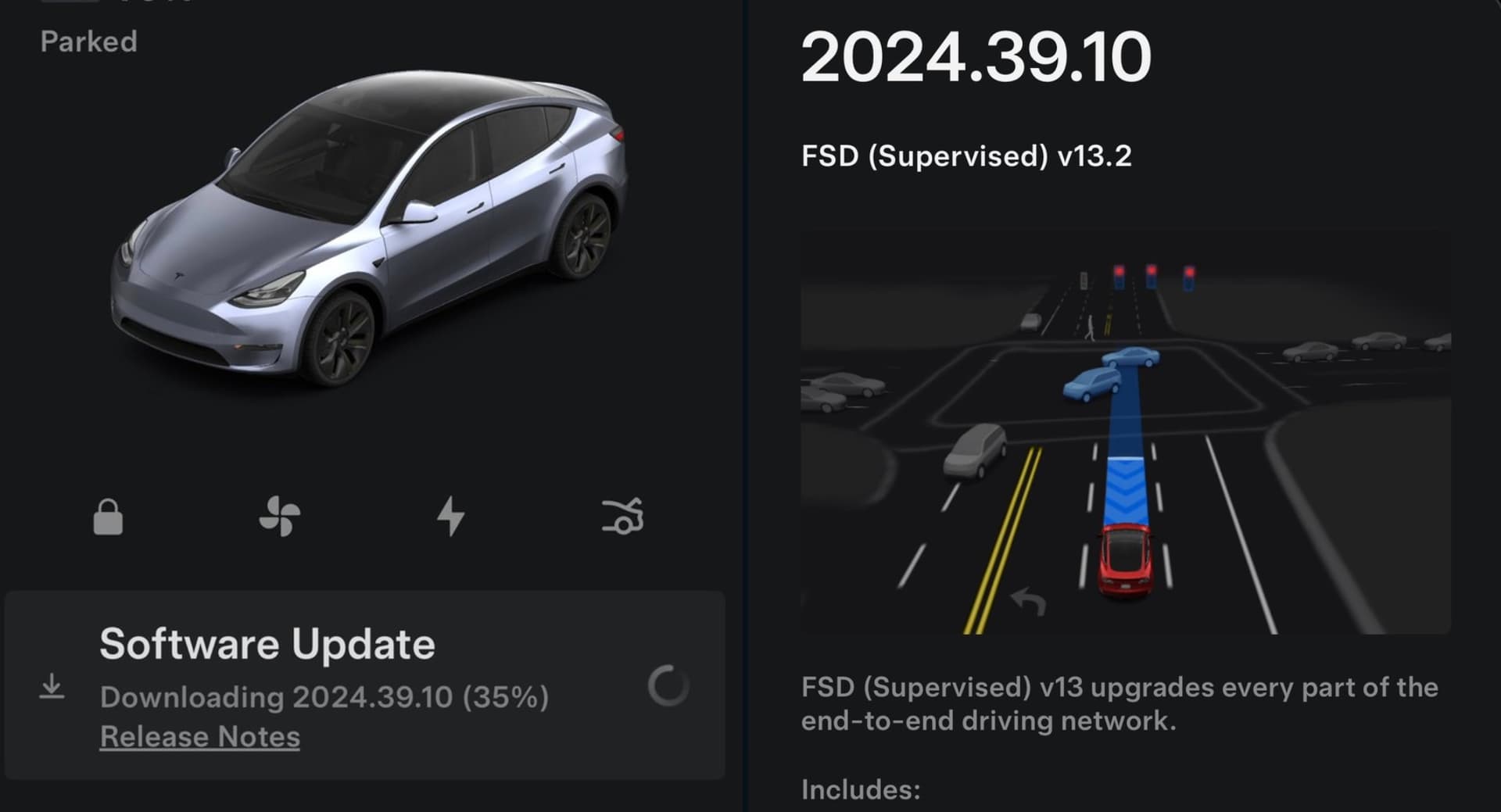
Tesla begins offering its supervised Full Self Driving service in South Korea on November 29, 2025, a step that industry analysts say could give the company a technology edge over domestic electric vehicle makers. The company’s expansion into a market dominated by Hyundai and Kia has already heightened sensitivity about how advanced driver assistance features factor into purchase decisions, and observers warn that a price competitive Model Y equipped with capable autonomous software could force rapid adjustments by local manufacturers.
The offering is framed as supervised automation, meaning drivers must remain attentive and ready to take control. Nevertheless, industry officials and analysts have signaled concern that broad consumer adoption of the capability would shift the baseline for what buyers expect from electric vehicles. In a market where brand loyalty and aftersales networks have long benefited Korean automakers, the addition of a high profile software product from an international competitor changes the terms of competition to emphasize software, data, and continuous over the air updates.
Adopting automated driving in a dense urban environment such as Seoul presents substantial technical and practical hurdles. Narrow streets, frequent pedestrian crossings, complex intersections, and heavy mixed traffic raise the bar for sensor performance and machine perception. Reliable performance requires high resolution mapping, robust sensors, and dependable connectivity, along with extensive real world testing across a wide array of road conditions. Analysts say these factors make scaling the technology more costly and time consuming than selling hardware equipped EVs.
Regulatory and legal frameworks are another open question. South Korean regulators will need to clarify approval standards, testing requirements, and liability rules for supervised automated features running on public roads. The timing of regulation and the stringency of required safety validations could shape how quickly the technology spreads and what form it takes. Industry observers suggest that policymakers may face pressure to balance innovation incentives for companies against the need to protect public safety and to safeguard the competitiveness of domestic manufacturers.
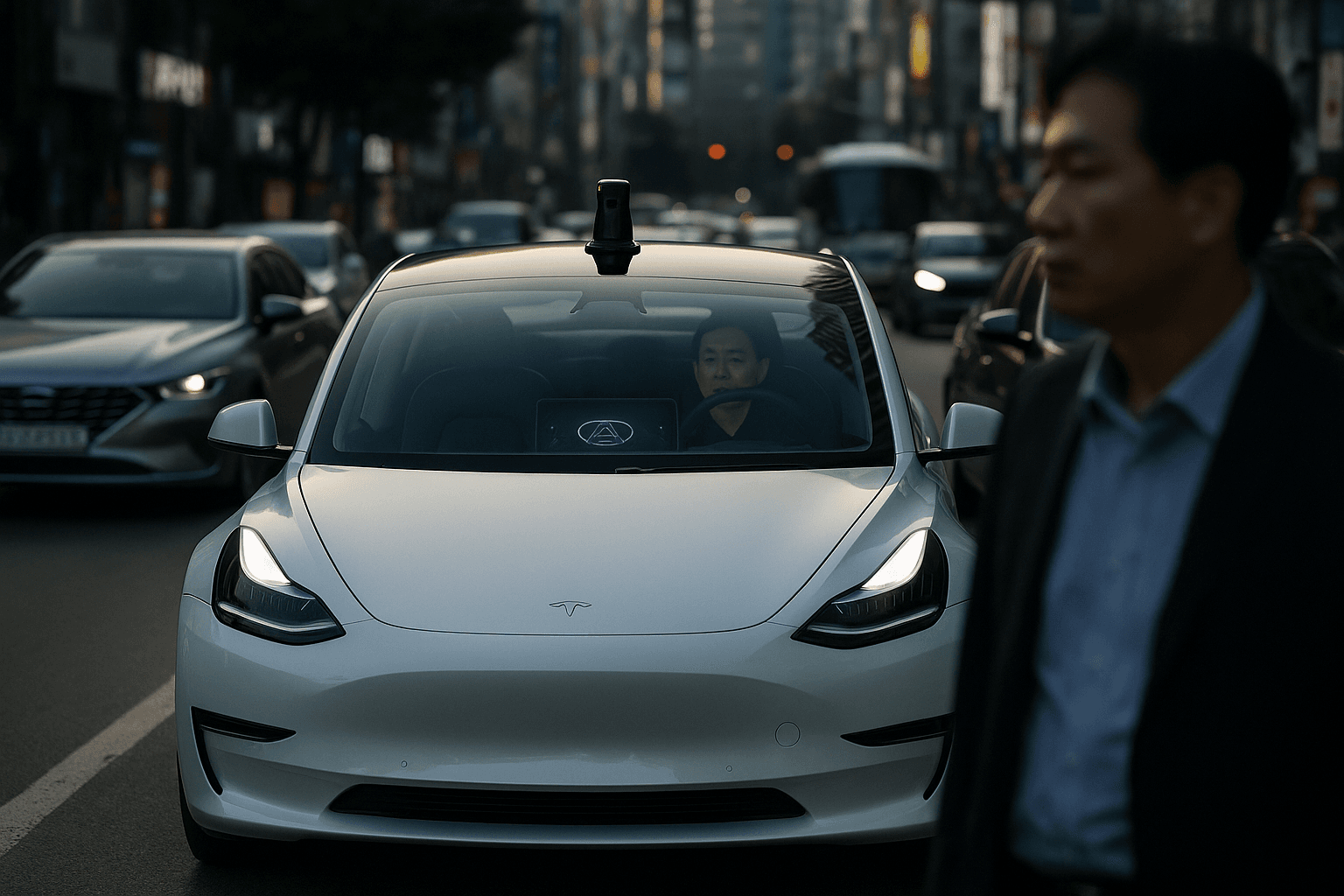
For Hyundai and Kia the challenge is twofold. They must accelerate their own software development and consider new pricing and feature strategies while managing supply chain and production economics. At the same time they may seek to influence regulatory responses or emphasize differentiated strengths such as local service networks and integration of vehicles with infrastructure. The competition could spur new partnerships and investments in mapping, connectivity, and artificial intelligence, while also creating short term disruption for market share and margins.
Consumers stand to gain clearer choices and more rapid innovation if competition focuses investment on software and safety. The outcome will depend on how regulators, infrastructure operators, and automakers respond to the technical demands of supervised automation and to shifting expectations about what an electric vehicle should provide. The rollout in South Korea therefore marks not just another market entry for Tesla, but a potential inflection point for how automated driving is regulated and commercialized in one of the world’s most challenging urban environments.
Know something we missed? Have a correction or additional information?
Submit a Tip