Testosterone use surges as masculinity ideals reshape treatment and prescribing
Testosterone has moved from a narrowly defined treatment to a masculinity market. Guidelines still demand symptoms and consistently low levels, but social media is widening demand.
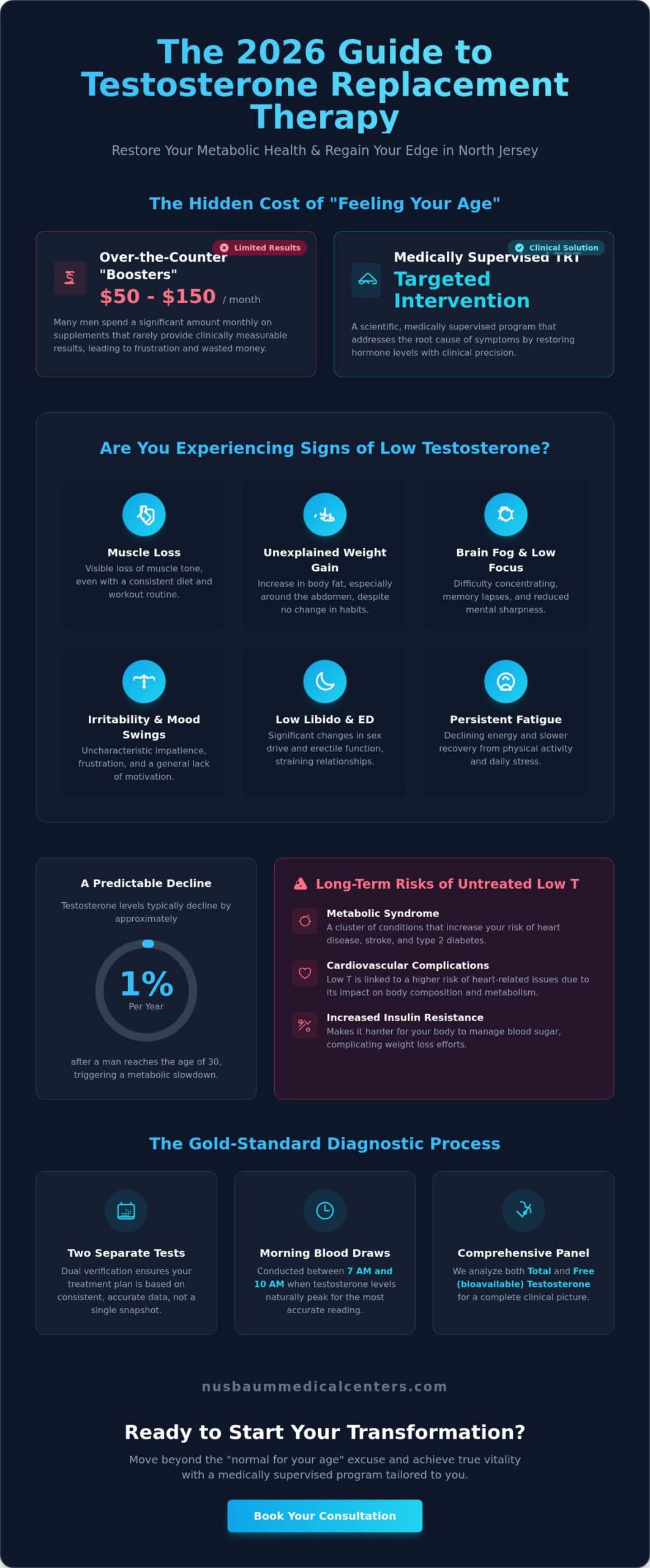
The new testosterone market
Testosterone is being sold as more than a hormone. In clinics, it remains a treatment for men with a defined medical need, but online it is increasingly packaged as a shortcut to dominance, stamina, and restored manhood. That cultural shift matters because it pushes men toward testing and treatment for vague fatigue, aging, or self-optimization, even when the medical evidence does not support it.
Behind the marketing is a real endocrine system that depends on accurate measurement. The Centers for Disease Control and Prevention, through the National Center for Health Statistics, maintains hormone standardization programs for testosterone and estradiol because diagnosis starts with trustworthy lab results. When testing is sloppy or interpretations are inflated by hype, men can be steered into treatment that does not match their symptoms or risk profile.
What legitimate treatment requires
Major medical authorities have been unusually clear on the basics. The Food and Drug Administration said in 2015 that prescription testosterone products are approved only for men with low testosterone caused by certain medical conditions, and that the benefits and safety of treating age-related low testosterone had not been established. The Endocrine Society’s 2018 guideline says hypogonadism should be diagnosed only in men with symptoms and unequivocally and consistently low serum testosterone.
That distinction matters because low lab values alone are not the whole story. The Endocrine Society also recommends against routinely prescribing testosterone therapy to all men age 65 or older who have low testosterone concentrations. The American Urological Association likewise emphasizes accurate assessment, symptoms, signs, and ongoing monitoring, including fertility and prostate-cancer considerations. In other words, responsible care is careful, narrow, and individualized, not a broad promise of revival.
Why prescriptions are rising anyway
Even with that caution, testosterone prescribing has climbed. A national cross-sectional study using state prescription drug monitoring program data found that testosterone prescribing increased across the United States from 2018 to 2022, with a substantial rise after the COVID-19 pandemic began. The trend suggests more than isolated clinical need; it points to a widening market shaped by post-pandemic health anxieties, convenience medicine, and aggressive messaging around energy and performance.
Earlier research in JAMA Network Open found that prescribing patterns for older men changed in response to the FDA’s 2014-2015 safety actions. That matters because it shows how quickly clinical behavior can shift when regulators warn about risk, and how quickly it can shift again when commercial pressure and patient demand rebound. A more recent analysis of Medicare Part D trends noted another change in the landscape: oral testosterone undecanoate was approved in 2019, adding a new formulation and making the prescribing environment even more complex.
The risks that marketing downplays
The problem with casual testosterone use is not just that it may be unnecessary. Product labeling warns about polycythemia, a condition in which red blood cell levels can become too high, as well as possible increased risk of major adverse cardiovascular events. Labels also flag worsening benign prostatic hyperplasia and the need for prostate monitoring. The Endocrine Society and the American Urological Association both stress fertility issues, cardiovascular considerations, and prostate-related monitoring because these are not minor side effects. They are central to safe prescribing.
Those risks can sound abstract until they are connected to the audience now being targeted. A 2026 analysis linked to the University of Sydney found that influencer marketing on Instagram and TikTok is normalizing unnecessary testosterone testing and treatment among healthy young men. The risks highlighted in that analysis included heart problems, infertility, kidney issues, blood clots, reduced libido, and erectile dysfunction. That is a striking contradiction: the hormone is often marketed as a path to greater virility, yet careless use can undermine fertility and sexual function.
What the evidence really shows
The science is more complicated than the hype, and that complexity is often flattened in online marketing. A 2024 JAMA meta-analysis reported that men with endogenous testosterone below 213 ng/dL had a higher risk of death from any cause. That finding helps explain why low testosterone remains clinically important and why endocrinologists take symptoms and testing seriously.
But the same evidence does not justify treating every man who feels tired, older, or less driven. A low number can signal illness, poor health, or age-related change, yet the clinical response still depends on symptoms, repeat testing, and the broader medical picture. The gap between a concerning laboratory result and a prescription is exactly where marketing tries to rush the decision.
Why this is a public-health issue, not just a lifestyle trend
Testosterone is now part of a larger story about masculinity, self-optimization, and commercialized medicine. The shift affects who gets tested, who gets prescribed, and who gets exposed to harm. It also affects health systems, because treating men who do not meet guideline criteria can divert attention from those with genuine hypogonadism, while normalizing a culture of pill-and-injection solutions for ordinary aging.
There is also an equity dimension. When cultural messaging defines manhood through performance, older men, younger men, and men under social pressure can be pulled into medicalization by shame as much as by symptoms. The result is a market that rewards fast answers and underweights careful diagnosis, even though hormone treatment carries cardiovascular, prostate, and fertility implications that can last far beyond a single prescription.
The clear takeaway is that testosterone therapy has a legitimate place in medicine, but it is being pulled into a larger economy of identity and aspiration. The evidence supports careful diagnosis and close monitoring, not a wholesale promise to restore youth, dominance, or vitality.
This article was produced by Prism’s automated news system from verified source data, official records, and press releases, then run through automated quality and moderation checks before publishing. The system is built and supervised by the people who set the standards it runs under. Read our full AI policy.
Did this article answer your question?