Texas detention center denied woman scan for chest growth for weeks
A detained Texas mother says weeks of pleas for a scan ended only after an ER visit found a chest lump and fluid around her heart.
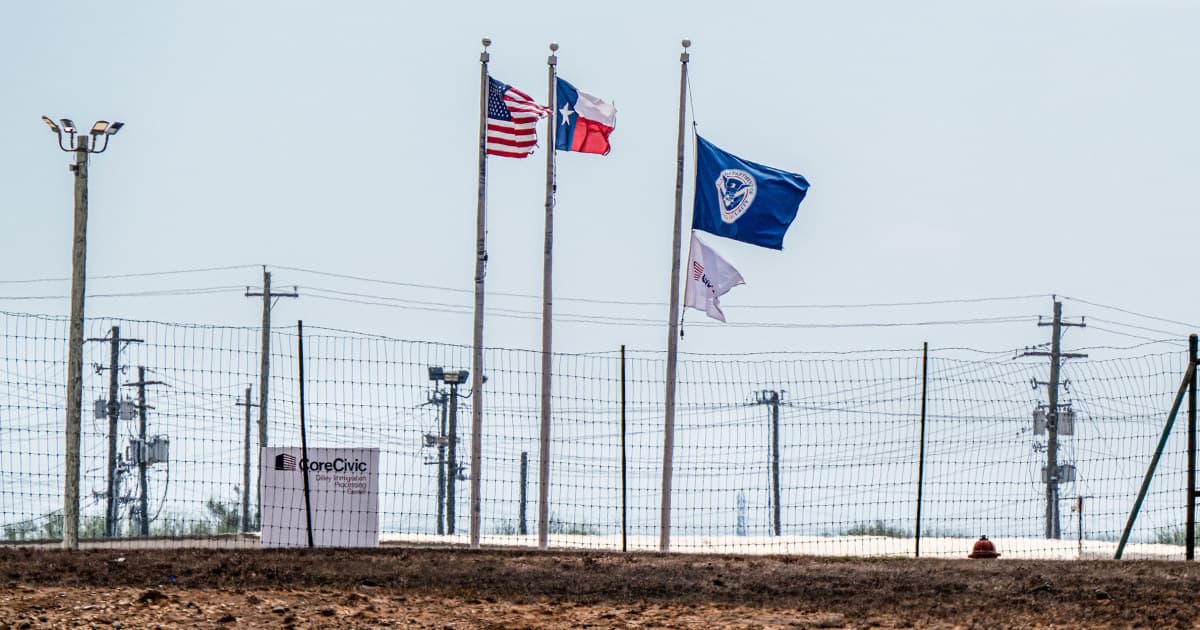
A court filing says Hayam El Gamal spent weeks telling detention staff she had a painful growth in her chest, asking for outside care and a CT scan, and being turned away. Only after she was taken to an off-site emergency room on April 9 did doctors reportedly find an unidentified lump in her chest and fluid around her heart.
El Gamal has been held with her five children, ages 5 to 18, at the South Texas Family Residential Center in Dilley since June 2025. The family’s detention stems from the Boulder, Colorado, attack in which Mohamed Soliman, El Gamal’s husband and the children’s father, is accused of throwing two Molotov cocktails at a pro-Israel demonstration, injuring 15 people. Soliman faces 118 state charges, including attempted murder.
Attorney Eric Lee said the emergency room doctor recommended an ultrasound after the April 9 visit, but that test was denied when El Gamal returned to Dilley. Lee said he does not know whether the lump is cancerous, but warned the condition could be life-threatening. The case has sharpened scrutiny on medical care inside the family detention center, where ICE says the average stay for families is about 20 days under the Flores Settlement Agreement.
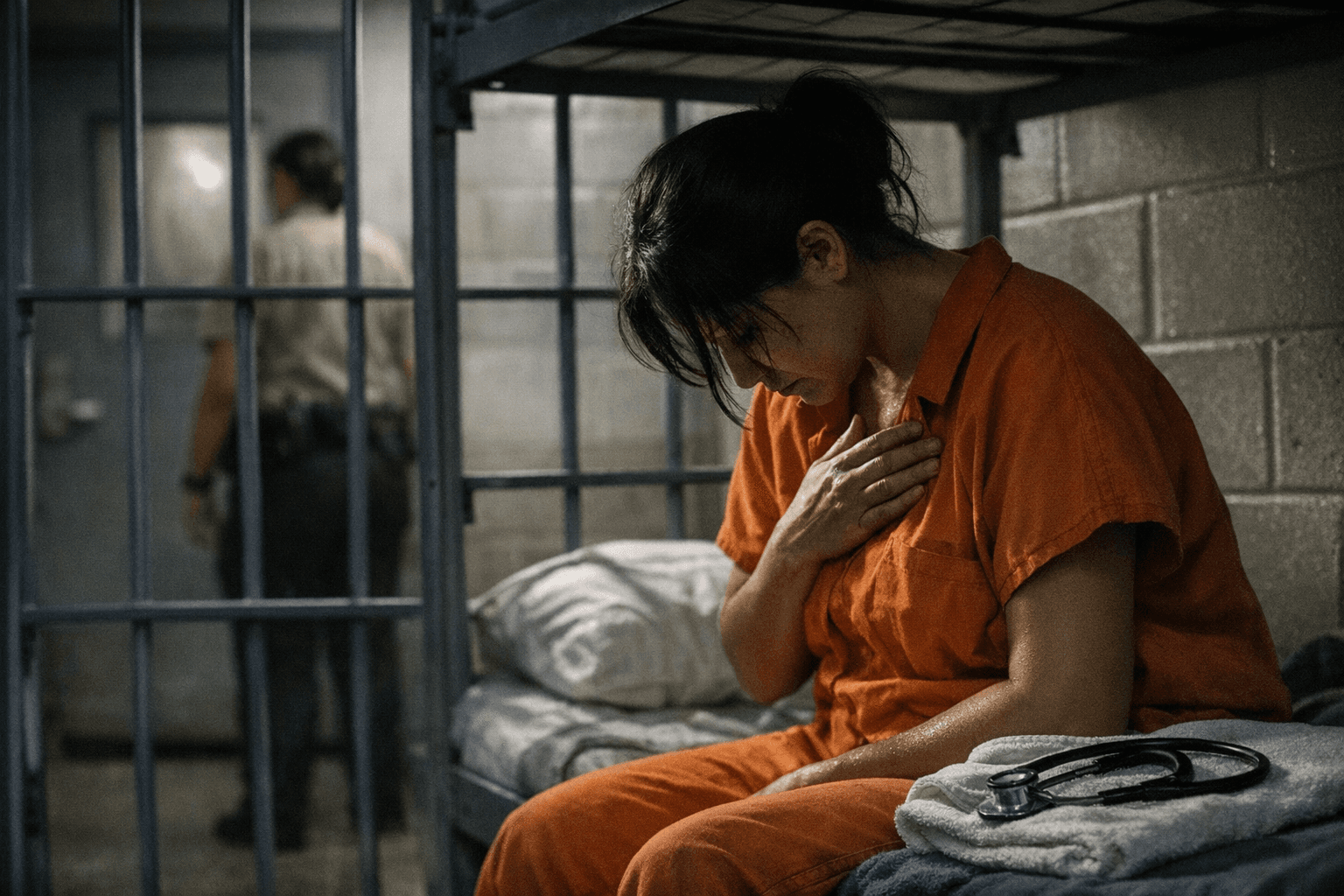
The concerns extend beyond El Gamal. Attorneys say her 5-year-old child has been denied care for 13 cavities, and her 16-year-old son was told to take Tylenol when he developed acute appendicitis. In earlier letters released by the family’s attorney, El Gamal wrote, “This place has destroyed my children, both physically and mentally.” The family also alleged moldy food and food with worms at the facility.
U.S. Reps. Greg Casar and Joaquin Castro have called for the family’s release after visiting the center, saying they were alarmed by what they saw and by the lack of transparency. The Dilley facility is run by CoreCivic under ICE oversight, placing the episode at the center of a larger question for federal detention policy: whether medical decisions, family separation, and basic living conditions inside private immigration facilities are being monitored closely enough to catch dangerous delays before they become emergencies.
This article was produced by Prism’s automated news system from verified source data, official records, and press releases, then run through automated quality and moderation checks before publishing. The system is built and supervised by the people who set the standards it runs under. Read our full AI policy.
Did this article answer your question?