Texas family earns grid rewards by joining virtual power plant network
Jeff and Jenny Wright have cut their Houston electric bill to zero for more than a year while their solar-battery system earns cash and credits through a Texas virtual power plant.
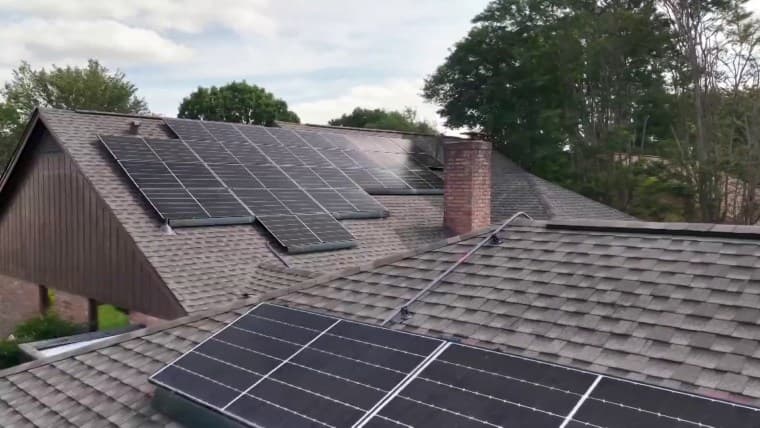
The Wrights turned their Houston home into a small power plant, and it now pays them back. With rooftop solar and two Tesla battery packs, Jeff and Jenny Wright can store excess electricity and send it to the grid when demand rises, helping them avoid an electric bill for more than a year while collecting a $240 annual reward from Sunrun and monthly credits that have reached $30.
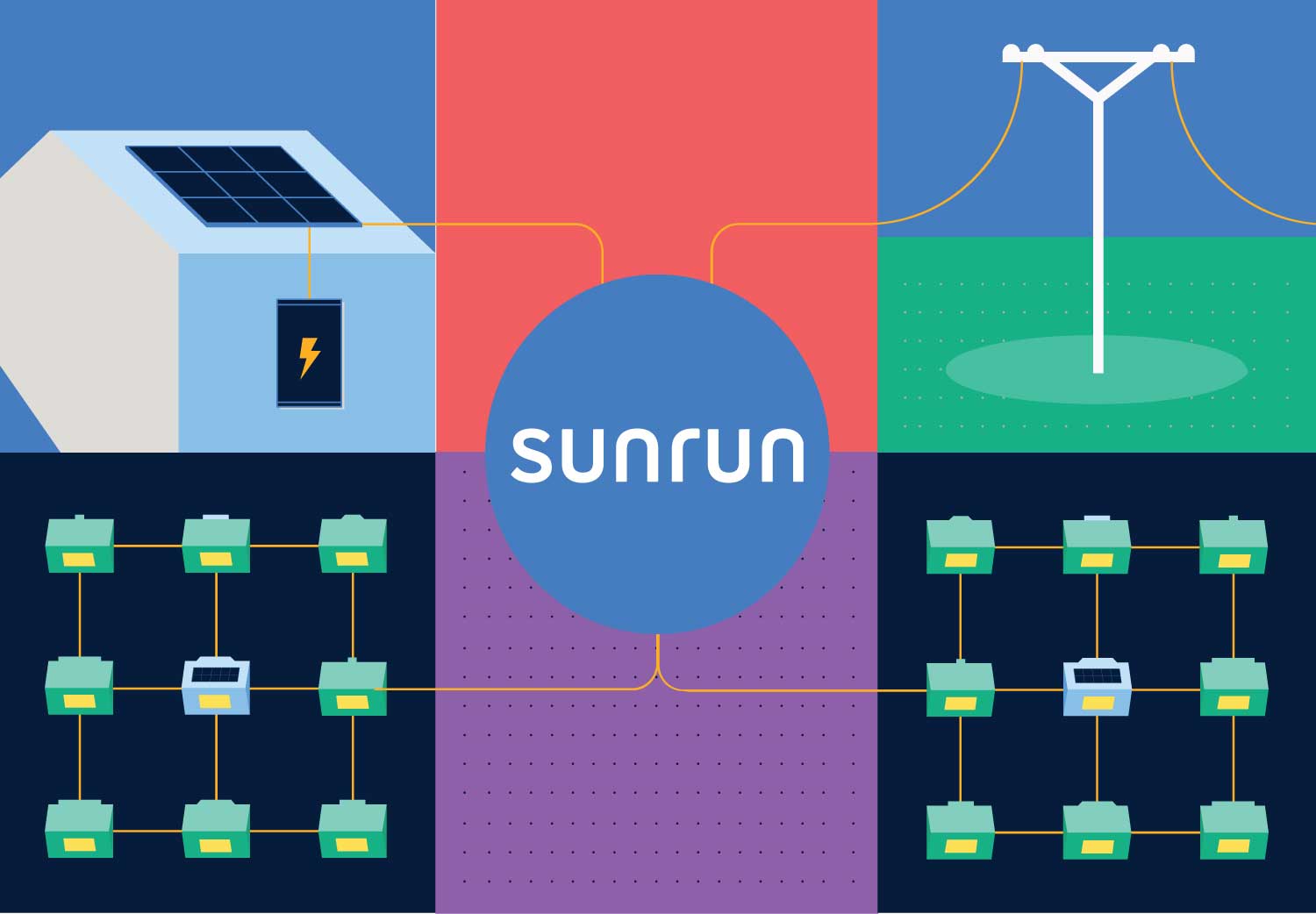
Their setup shows how virtual power plants work in practice. Instead of building a single large generator, utilities and energy companies aggregate thousands of smaller resources such as home batteries, rooftop solar, smart thermostats, EV chargers and flexible appliances. Software coordinates those devices so they can provide grid services when needed, especially during heat waves, outages and other periods when electricity demand spikes.

The economics matter because the grid is expected to need far more flexible capacity. The U.S. Department of Energy said in 2023 that the power system would need to add enough new capacity to serve more than 200 gigawatts of peak demand by 2030. The agency said deploying 80 gigawatts to 160 gigawatts of virtual power plants by then could cut overall grid costs by $10 billion a year, partly by reducing the need for peaker plants that run only during the most expensive hours.
Texas has become one of the most important testing grounds. Regulators launched the Aggregate Distributed Energy Resource pilot in June 2022, then said in August 2023 that two virtual power plants were the first in the state qualified to provide dispatchable power to ERCOT. At the time, Texas had 2.3 gigawatts of small distributed resources under 1 megawatt each, with 300 megawatts added in 2023 alone.
For the Wrights, the payoff is both financial and practical. They said they rarely notice interruptions or dimming lights, and the system has made their home more resilient during extreme weather. Jeff Wright said the savings matter as he approaches retirement, a reminder that the most attractive VPP deals are often designed for homeowners who already have solar panels, batteries and enough roof space or credit access to qualify.

That is why virtual power plants are being watched as both a grid solution and a consumer perk. In January 2025, sonnen and SOLRITE Energy said their Texas power purchase agreement had enrolled more than 40 megawatts of capacity between September and early January, offering homeowners solar panels and two 20-kilowatt-hour batteries at no upfront cost. By February 2025, the NC Clean Energy Technology Center and the Smart Electric Power Alliance had counted 105 VPP-related policy actions across 38 states and Washington, D.C. in 2024, a sign that the market is moving fast even as the benefits remain concentrated among the households best positioned to adopt the technology.
This article was produced by Prism’s automated news system from verified source data, official records, and press releases, then run through automated quality and moderation checks before publishing. The system is built and supervised by the people who set the standards it runs under. Read our full AI policy.
Know something we missed? Have a correction or additional information?
Submit a Tip