Texas Leaders Target School Walkouts as Houston Students Rally for ICE-Detained Teen
More than 100 Houston ISD students rallied for Mauro Henriquez, an 18-year-old held by ICE; state leaders have threatened investigations and sanctions that could affect local schools.
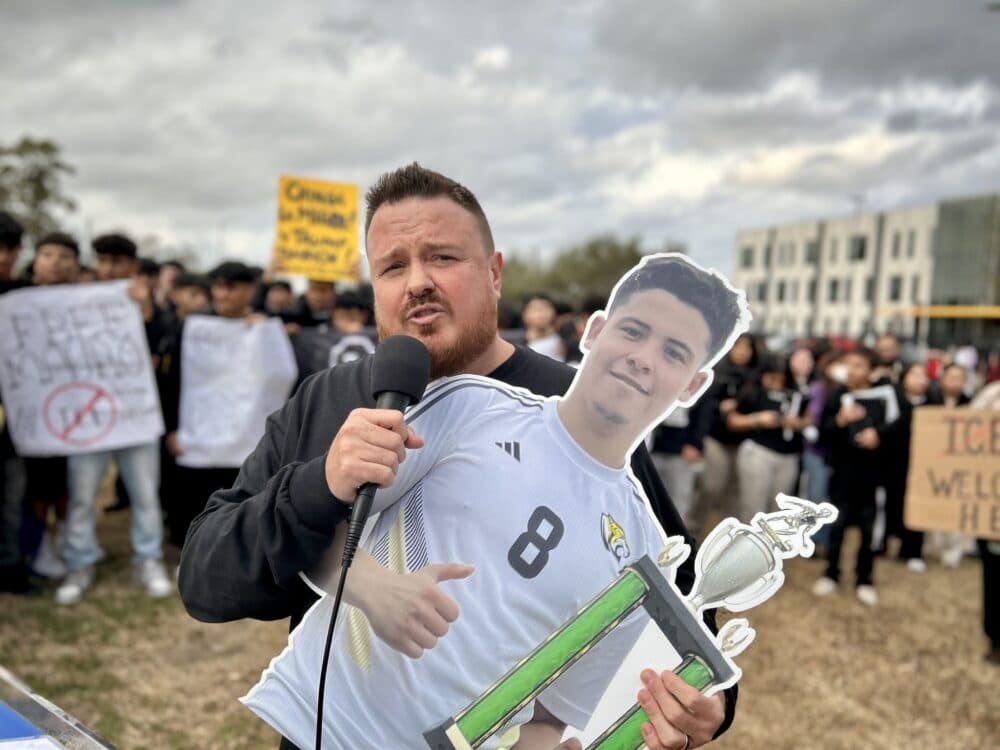
More than 100 students gathered outside Sam Houston Math, Science, and Technology Center on Tuesday to demand the release of Mauro Henriquez, an 18-year-old Houston ISD student and soccer team captain who has been detained by U.S. Immigration and Customs Enforcement since Dec. 16 and is set to be deported along with his father. The demonstration was the latest local expression of a wider wave of student protests across Texas over ICE enforcement.
Students at Elkins High School in Missouri City walked out that morning, and Conroe High School students joined nationwide protests in recent days. Walkouts also occurred at campuses in Manor, Pflugerville, Leander and Hays districts and in multiple Tarrant County schools, as young people staged demonstrations to call attention to immigration enforcement and the shootings of two U.S. citizens by ICE agents in Minnesota.
The statewide response shifted from classroom to Capitol in early February. The Texas Education Agency issued guidance on Feb. 3 warning that student protests during school hours could bring consequences for students, teachers and districts, including investigations of teachers and potential state takeover of districts. Gov. Greg Abbott followed with public remarks in Houston, saying, “The reality of the law of free speech is more complex,” and adding, “You don’t have free speech to say and act any way you want, anywhere you want, anytime you want.” Abbott also said, “The Supreme Court has been very clear about free speech of students, and that free speech of students does not include leaving the school to go and protest.” Abbott directed Texas Education Commissioner Mike Morath to investigate a walkout in Austin Independent School District, and officials indicated the inquiry will examine protests at more than a dozen campuses.
Attorney General Ken Paxton demanded records from Austin ISD, seeking attendance and absence data, security policies and communications among district staff and accusing the district of facilitating the walkouts. Most demonstrations across the state occurred without incident, but two Austin-area protests drew heightened attention after a fight in Buda prompted charges against a 45-year-old Kyle man for two counts of assault and Kyle police arrested two minors on charges later clarified as unrelated to the protests.
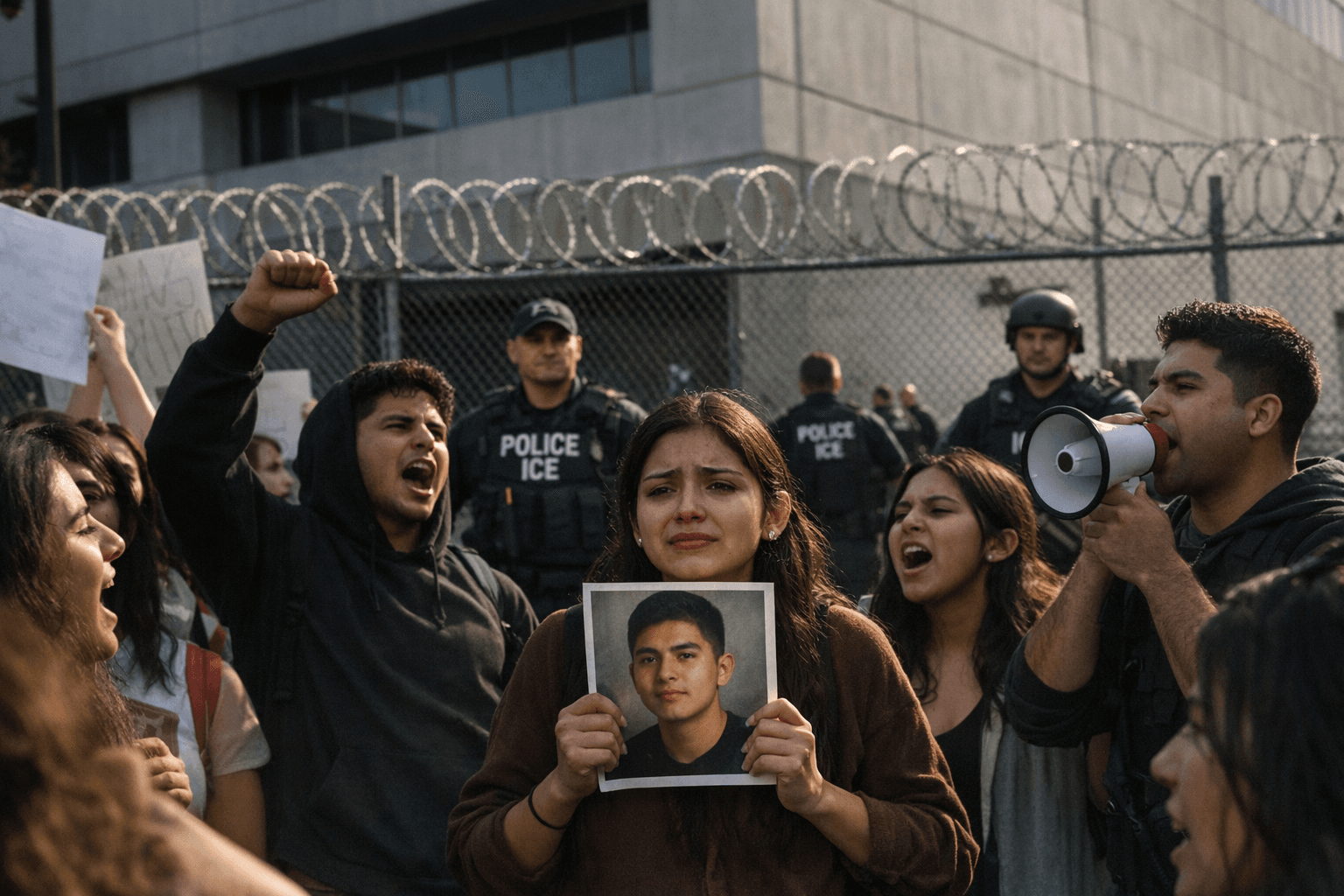
Civil liberties groups and veteran organizers framed the state response as heavy-handed. Adriana Piñon, legal director at the ACLU of Texas, said, “Government officials cannot punish students simply because they dislike their message. Students do not lose their free speech rights when they enter their schools, and while the law may permit discipline in some cases, it certainly does not require it.” Piñon also warned that the state’s posture “goes beyond routine punishment” and “could amount to retaliation, which is unconstitutional,” and urged leaders to heed students’ message that “ICE’s actions are unacceptable, and immigrants belong in Texas.” José Ángel Gutiérrez, a retired political science professor and veteran civil rights organizer, praised the student actions: “I love it,” and added of official pushback, “They repress.” He said the demonstrations “make (free speech) real” and insisted, “You cannot have free speech if you can’t exercise it.”
For Harris County residents, the clash over walkouts raises immediate schoolroom and community concerns. Threatened investigations and administrative penalties could shift local resources away from student services and school-based supports, and heavy sanctions risk chilling student speech and community engagement. Parents, educators and advocates will be watching TEA inquiries and Attorney General records requests for their scope and outcomes, while organizers and civil liberties groups plan to monitor any disciplinary actions closely.
What comes next is administrative review and possible enforcement actions that could reshape district priorities and campus climates. Local leaders and school officials should expect continued protests and heightened scrutiny, and community advocates say attention should remain on both the welfare of detained students like Mauro Henriquez and the broader educational and public health consequences for immigrant families and the students who stand with them.
Know something we missed? Have a correction or additional information?
Submit a Tip