TG Jones wins court approval for restructuring, 150 stores to close
TG Jones won High Court approval to shut up to 150 former WHSmith stores and cut rents on most others, deepening pressure on British high streets.
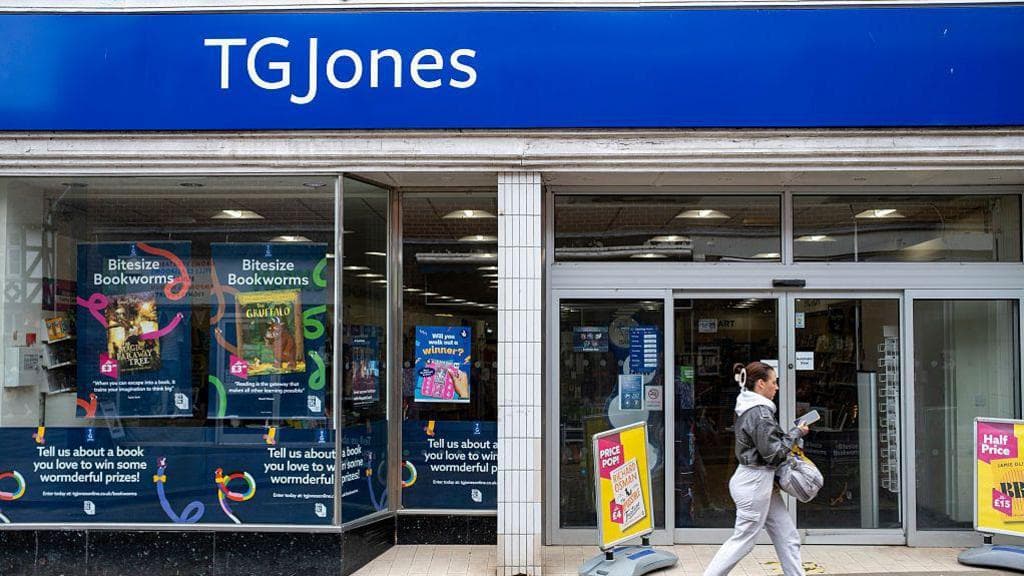
The High Court has approved a restructuring plan for TG Jones that will see up to 150 former WHSmith high-street stores close and steep rent cuts imposed on most of the remaining shops. The move puts fresh pressure on landlords already facing weaker footfall, higher costs and a growing list of vacancies in town centres across the United Kingdom.
TG Jones emerged from WHSmith’s old high-street estate after Modella Capital bought the business in June 2025 for £76 million. The sale covered roughly 464 to 480 stores, depending on the point in the reporting, but it did not include the WHSmith brand. Since then, WHSmith has focused on travel retail in airports, hospitals and rail stations, leaving the former high-street chain to confront the strain of a shrinking traditional retail market.

The restructuring was pushed through after the business warned it could run out of money if the rescue plan was not sanctioned. One account said the company faced an £8 million shortfall without approval, while lawyers told the court the working assumption was that around 300 of TG Jones’s roughly 450 stores would stay open. That would leave a significantly smaller footprint for a chain that has long been a fixture of British high streets.

Alex Willson, TG Jones’s chief executive, has blamed years of under-investment under previous ownership for leaving the business “almost completely broken” and said it had suffered a “slow death.” The company’s new owners have said they want to restore the stores as a core high-street presence, but the scale of the closures and rent reductions underlines how much work lies ahead.
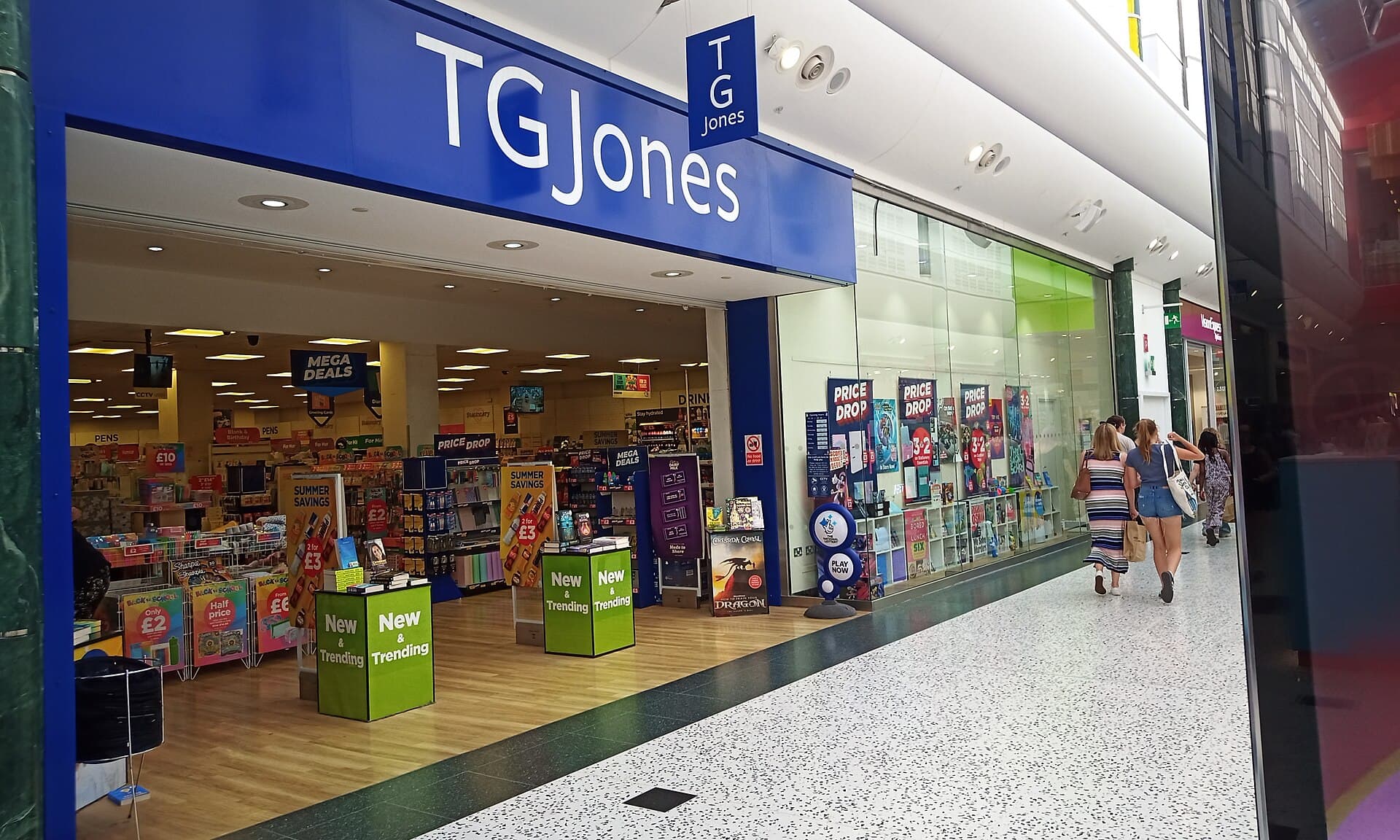
The decision adds another name to a long roll call of retail retrenchment on Britain’s high streets, where legacy chains have been forced to renegotiate leases, close underperforming sites and rethink whether large store estates still make financial sense. For landlords, the TG Jones plan is another sign that commercial property tied to mid-market retail remains under acute stress, especially outside the strongest shopping districts.
This article was produced by Prism’s automated news system from verified source data, official records, and press releases, then run through automated quality and moderation checks before publishing. The system is built and supervised by the people who set the standards it runs under. Read our full AI policy.
Did this article answer your question?