Thailand’s military draft draws fewer draftees as volunteers surge
Thailand’s draft still uses red and black cards, but nearly 50,000 men volunteered in 2026 as nationalism and weak jobs made service more attractive.
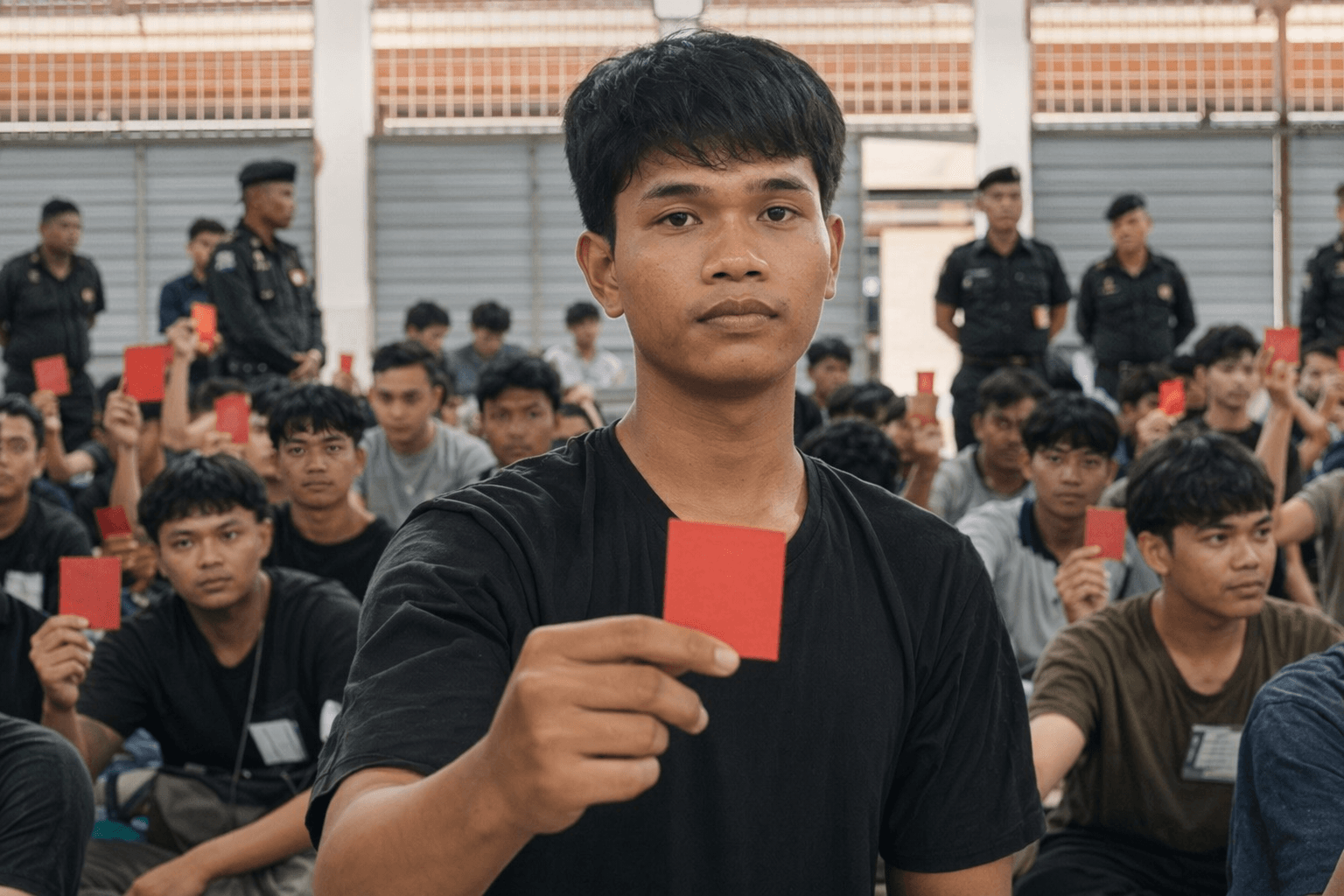
At Bangkok’s conscription centers, a black card still meant exemption and a red card meant two years in uniform, but the bigger change this year was the long line of men who volunteered before the lottery even began. Thailand’s military said nearly 50,000 men signed up in 2026, a 22% increase from a year earlier, a sign that the draft’s old coercive logic is colliding with new economic and political pressures.
Under Thailand’s Military Service Act of 1954, Thai males must enlist at age 18 and report for the annual conscription process at age 21. The selection is held every April, and many students try to avoid the lottery altogether by completing three years in the Reserve Officer Training Corps. Those who are drafted usually serve two years. Volunteers serve less, often one year or six months depending on their service path, and that shorter term, along with food, housing and a monthly wage of about 11,000 baht, has made enlistment more appealing.
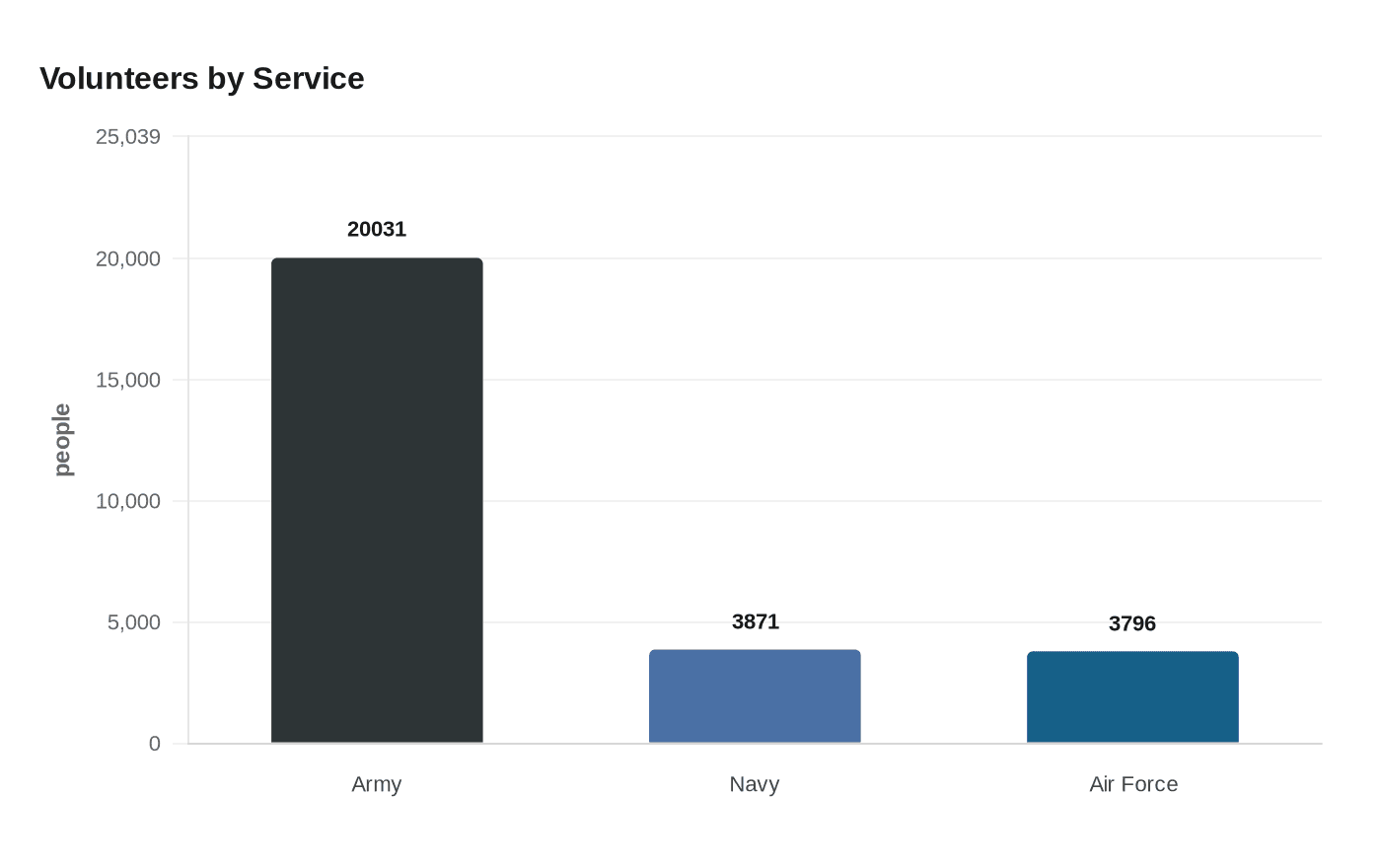
The 2026 draft ran from April 1 to April 12, and officials said the process was smooth, fair and transparent. Of the volunteer pool, 27,698 applied in person. Counts reported for the three services showed 20,031 Army volunteers, 3,871 Navy volunteers and 3,796 Air Force volunteers. In some districts, officials said the yearly quota was filled entirely by volunteers, reducing reliance on the red-card lottery that has long defined the system.
The surge reflects more than a search for stable income in a sluggish labor market. The deadly Thailand-Cambodia border clashes in July 2025, which killed at least dozens of people, sharpened nationalist feeling and gave military service a new political appeal for some families. In that atmosphere, enlistment has been framed not only as work but as public service, especially where jobs are scarce and the army can offer predictable pay.
Yet the draft remains deeply divisive. Opposition parties and activists continue to push for a fully voluntary force, and the People’s Party has proposed replacing conscription with volunteer service. Netiwit Chotiphatphaisal’s refusal to participate in the draft in 2024 became a prominent test of that resistance, underscoring how far some Thais will go to challenge a system they see as unfair.
That fight is now headed to Thailand’s top court. The Constitutional Court of Thailand is scheduled to rule on May 12 on a challenge arguing that the conscription law violates constitutional rights. However it decides, the result will measure more than the legality of the draft. It will show whether Thailand is moving toward a more voluntary military, or merely learning how to dress compulsion in the language of choice.
This article was produced by Prism’s automated news system from verified source data, official records, and press releases, then run through automated quality and moderation checks before publishing. The system is built and supervised by the people who set the standards it runs under. Read our full AI policy.
Did this article answer your question?