Thailand’s Princess Bajrakitiyabha dies after nearly four years in coma
Thailand’s most visible royal legal advocate died at 47 after nearly four years in a coma, sharpening questions about a monarchy with no named heir. Her death closes a rare public-facing path.

Princess Bajrakitiyabha Narendira Debyavati died at King Chulalongkorn Memorial Hospital in Bangkok at 47 after nearly four years in a coma, the Bureau of the Royal Household said. Her collapse in December 2022, while she was training dogs for a military event at Khao Yai National Park in Nakhon Ratchasima province, had already made her the focus of a long, tightly managed national vigil. Her condition worsened in May 2026 after multiple infections and a severe infection affecting vital organs, and her death now removes one of the monarchy’s most visible public figures at a moment when Thailand’s succession remains unresolved and debate over the palace is restricted by lèse-majesté law.
As the eldest of King Maha Vajiralongkorn’s seven children and the daughter of Queen Soamsawali, Bajrakitiyabha was far more than a ceremonial princess. She was a lawyer, served as Thailand’s ambassador to Austria, and built a reputation around prison reform, especially through her Kamlangjai, or Inspire, project for incarcerated women. That work gave her an uncommon public identity inside the royal family, one tied to law, diplomacy and social policy rather than only ritual duty.
Her international profile was unusual for a Thai royal. UN Women appointed her a Goodwill Ambassador in September 2008, and UNODC named her its Goodwill Ambassador for the Rule of Law in Southeast Asia in February 2017. UNODC has credited her with helping inspire the 2010 Bangkok Rules on the treatment of women prisoners, a milestone that pushed prison systems to confront the realities faced by women behind bars, including motherhood, safety and humane care.
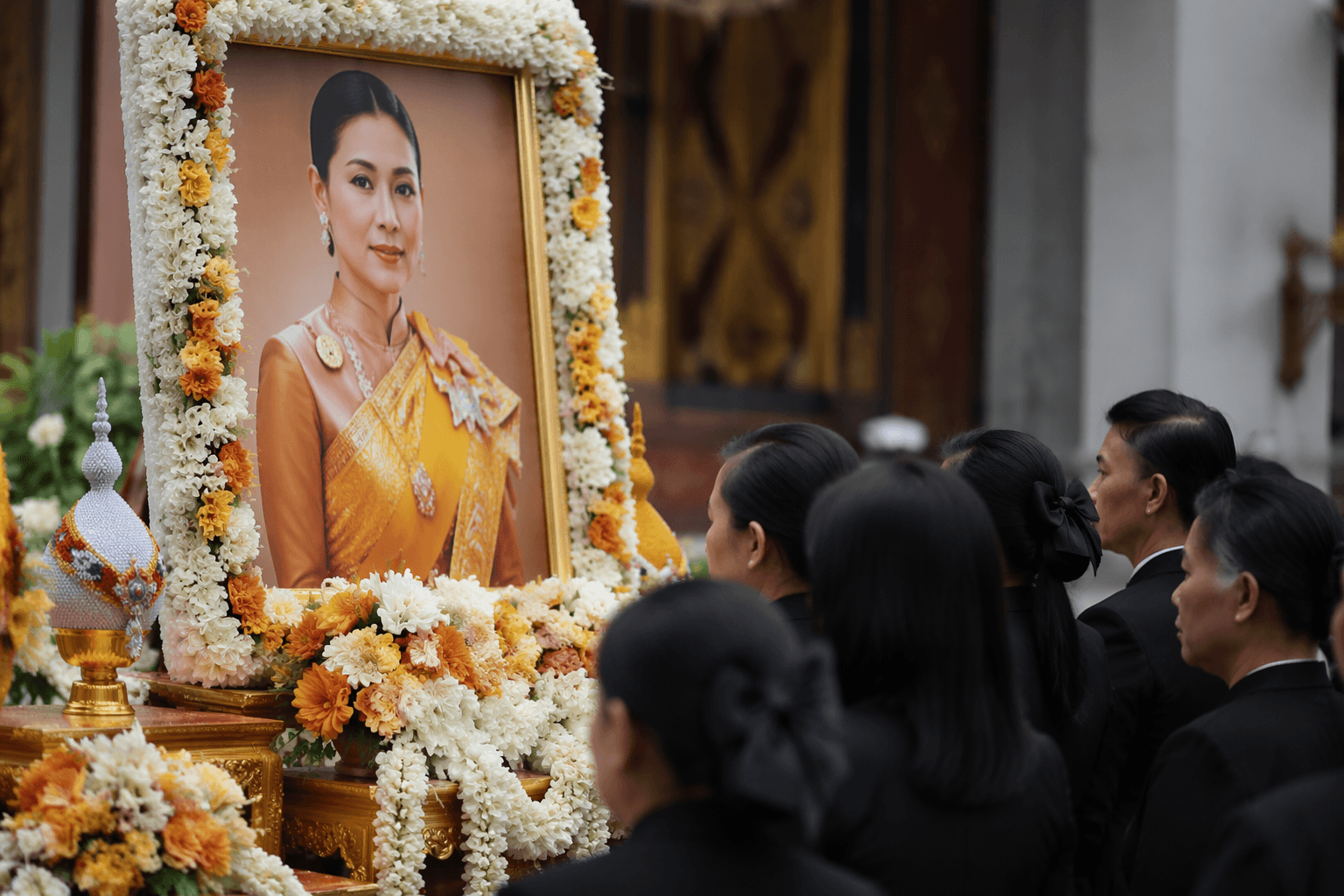
The palace said royal funeral rites would be arranged. Beyond the mourning, her death changes the monarchy’s image-making calculus: Bajrakitiyabha had been one of the few royals with a modern, globally legible portfolio, and her absence leaves the institution with one less future-facing figure as Thailand faces renewed questions about succession in a political environment where those questions are rarely discussed openly.
This article was produced by Prism’s automated news system from verified source data, official records, and press releases, then run through automated quality and moderation checks before publishing. The system is built and supervised by the people who set the standards it runs under. Read our full AI policy.
Know something we missed? Have a correction or additional information?
Submit a Tip