The Catcher in the Rye turns 75 as critics revisit its legacy
As The Catcher in the Rye turned 75, critics revisited why violent offenders like Mark David Chapman were tied to Holden Caulfield and why the book keeps getting blamed.
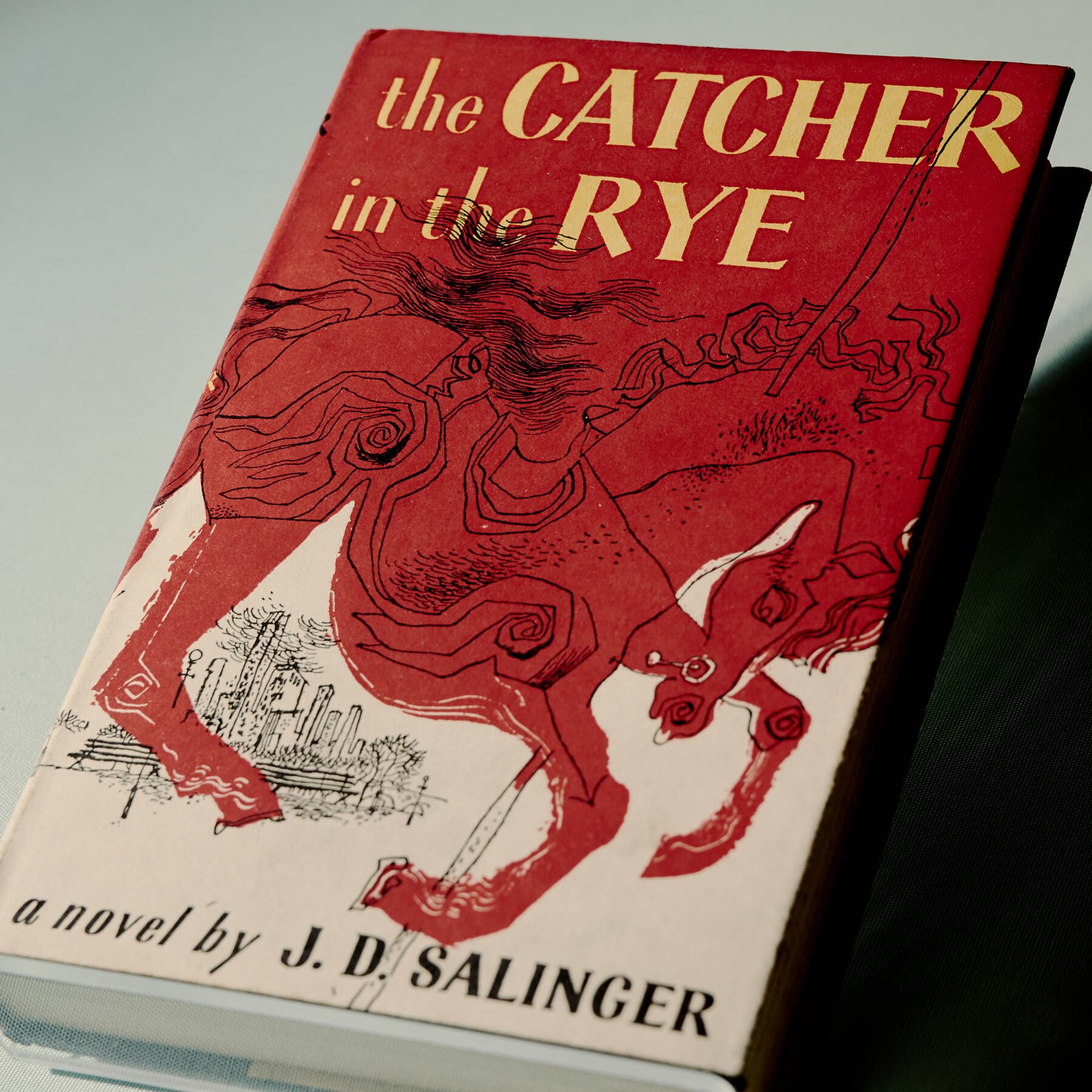
J.D. Salinger’s The Catcher in the Rye turned 75 on July 16, and the anniversary renewed scrutiny of how the novel became attached to notorious crimes. First published by Little, Brown and Company on July 16, 1951, it remains one of the most recognizable American books, still associated with adolescent alienation and rebellion.
That reputation has also made it a magnet for speculation after violence. In A&E’s coverage of the novel’s legacy, Lily Meyer and Sarah Gleim revisited how John Lennon’s killer, Mark David Chapman, drew inspiration from the book, and how Robert John Bardo read it before killing actress Rebecca Schaeffer. Chapman later said he identified with Holden Caulfield and described Lennon as a “phony,” details that helped cement the novel in the public imagination as a possible trigger rather than a literary work.

The pattern fits a broader media habit: after shocking crimes, attention often turns to the cultural objects near the offender, whether a song, a film, or a novel. That search for a single cause can flatten the harder facts of each case, including the offender’s own history, grievances and mental state. In Chapman’s case, the University of Virginia Archives notes that he grew up as the unhappy son of a military family, a reminder that the story around Lennon’s murder was never only about one book.
The same era intensified the impulse to connect celebrity fixation with violence. In 1981, John Hinckley Jr.’s attempted assassination of Ronald Reagan in Washington, D.C., drew intense attention because of his obsession with Jodie Foster. Together with the Chapman and Bardo cases, it fed a lasting fear that obsession could be copied, and that art or celebrity could somehow prime an attack.
The Atlantic’s anniversary essay by Meyer, with Sarah Gleim also credited in the notes, pushed back against the idea that The Catcher in the Rye is simply a symbol of teenage anger. Meyer argued that beneath the alienation is a surprisingly hopeful and ethical outlook, a reading that places Holden Caulfield’s confusion in the service of moral judgment rather than violence. That reframing matters because it separates a novel’s themes from the acts of readers who commit crimes, and it exposes how quickly society reaches for art as a scapegoat when violence demands explanation.
This article was produced by Prism’s automated news system from verified source data, official records, and press releases, then run through automated quality and moderation checks before publishing. The system is built and supervised by the people who set the standards it runs under. Read our full AI policy.
Did this article answer your question?