The Human Library opens free online conversations in the U.S.
A free digital library card opened 30-minute Human Library talks for the first 25,000 U.S. sign-ups, turning stigma-challenging conversations into an online civic test.

The Human Library brought its small-group conversations online in the United States, offering the first 25,000 people who signed up a free digital library card and a chance to speak with volunteer “books” for 30 minutes at a time. CBS News said the non-political, non-religious not-for-profit is based in New York City, and the signup did not require a credit card.
The offer was designed for people willing to log in from a quiet place with internet access and a camera on. The Human Library said the card giveaway was supported by friends of the organization including the Scan Design Foundation in Seattle and the National Foundation for Danish America, underscoring a low-cost model built around access rather than infrastructure. In a country where mistrust and isolation often cut across neighborhoods, workplaces and age groups, the format’s value lies in its structure: a fixed 30-minute conversation with someone who has lived the experience being discussed.
The project began in Copenhagen, Denmark, in spring 2000, when Ronni Abergel, Dany Abergel, Asma Mouna and Christoffer Erichsen launched it as a project for Roskilde Festival. The first Human Library ran eight hours a day for four days straight, featured more than 50 different titles and drew more than 1,000 readers. What started as a festival experiment has since spread to more than 80 countries, with the organization’s site saying it now operates in more than 85 countries and on six continents.
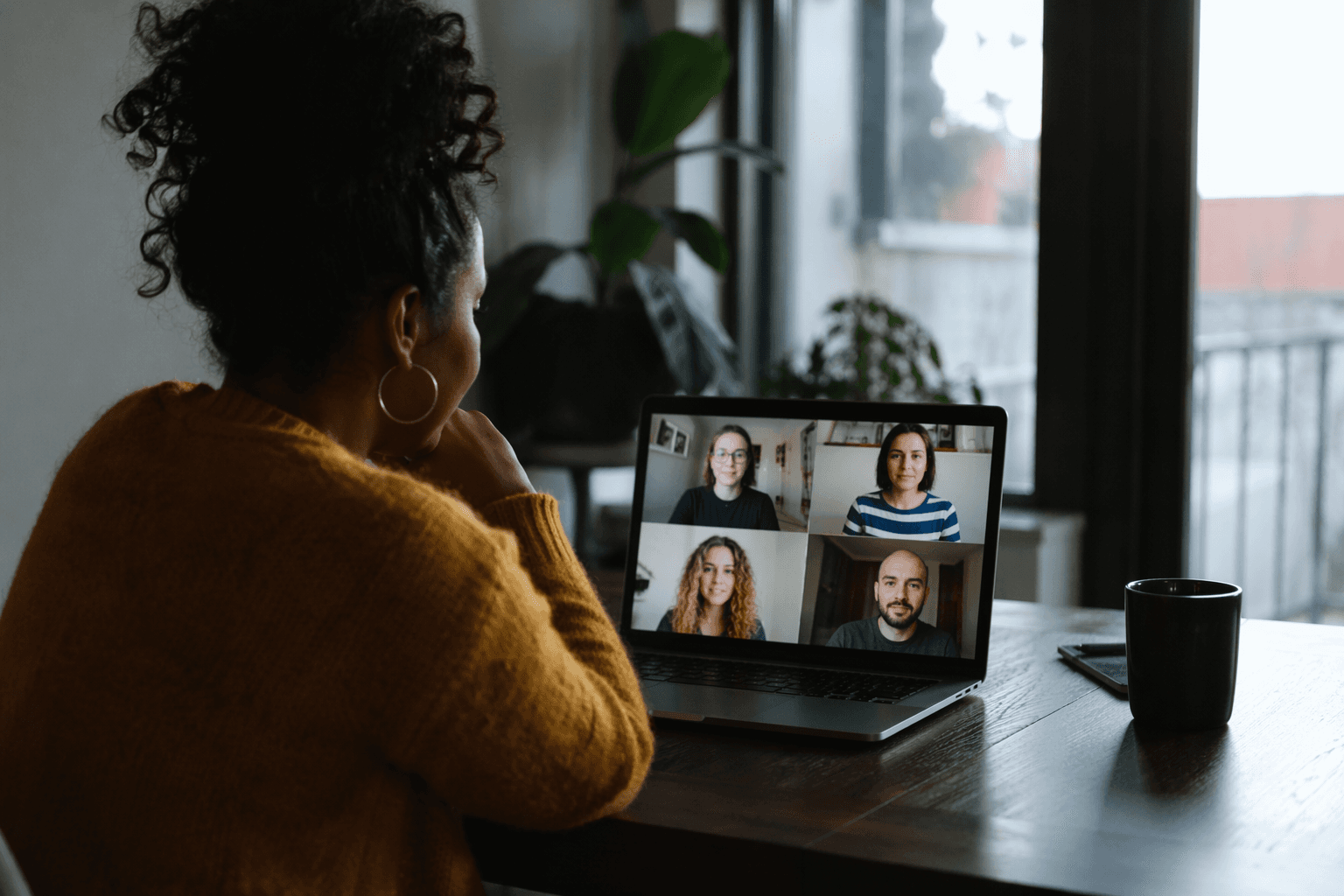
The Human Library says its volunteers come from groups often subjected to prejudice, stigmatization or discrimination, and that the goal is to challenge stigma, stereotypes, prejudice and discrimination through dialogue. The concept has been used in schools, universities, museums, libraries, festivals, medical training and corporate diversity and inclusion programs, a sign that institutions see it as more than a novelty. Its reach is broad, but its mechanism is simple: put people face to face, give them a defined amount of time, and let lived experience do the work that slogans and lectures often cannot.
Reader feedback suggests that the effect can last well beyond a single session. A Connecticut participant said she and her husband still talk about an event they attended years earlier. For communities looking for measurable social value, that kind of aftereffect matters: a conversation that is remembered years later may be one of the few civic interventions that can be counted both in participation and in durable human connection.
This article was produced by Prism’s automated news system from verified source data, official records, and press releases, then run through automated quality and moderation checks before publishing. The system is built and supervised by the people who set the standards it runs under. Read our full AI policy.
Did this article answer your question?