The Witcher 3 shows why popularity does not mean universal enjoyment
The Witcher 3 is proof that acclaim is not a universal taste test. If a game feels like homework, quitting can be a rational act of self-trust, not failure.
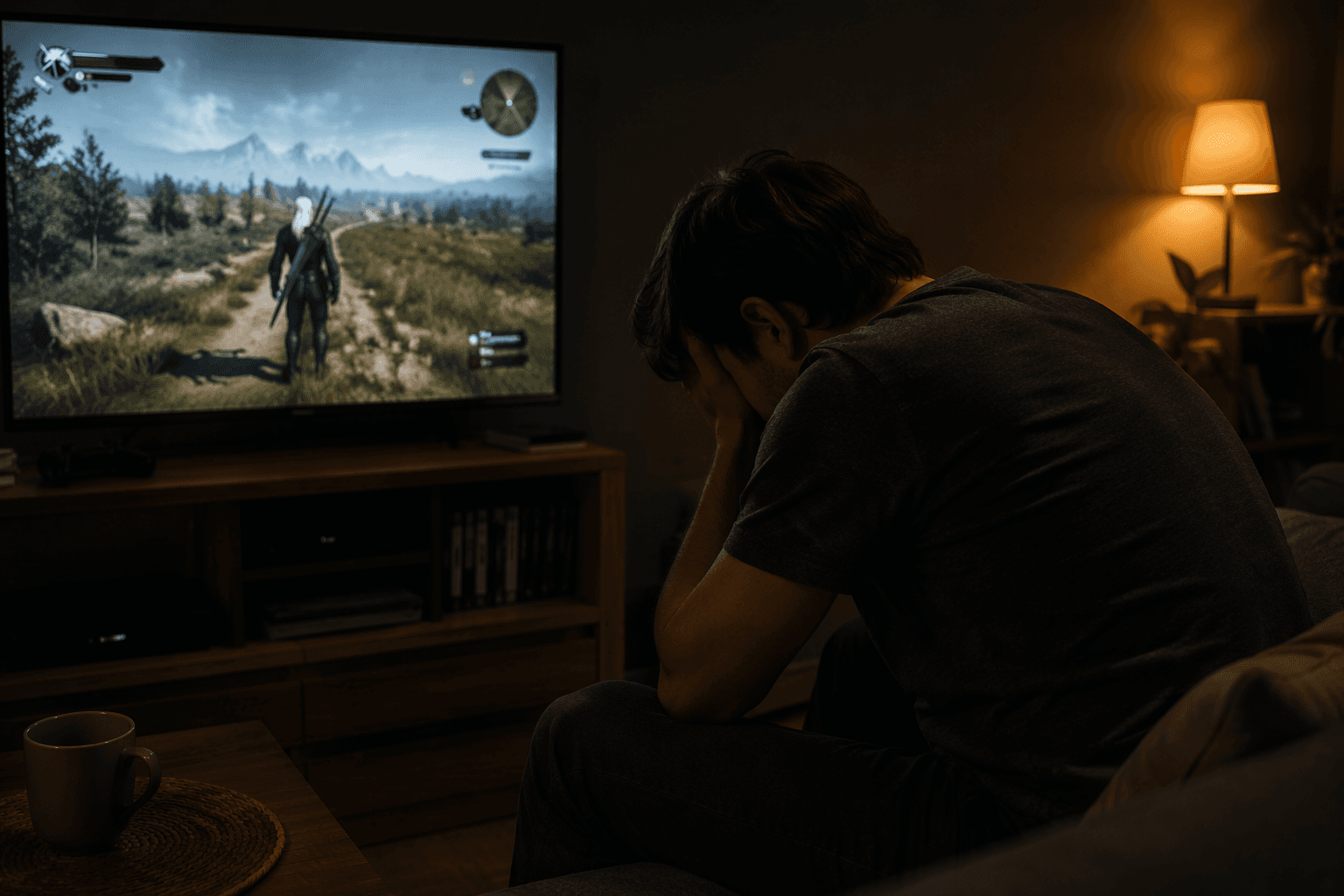
Why consensus can feel so persuasive
Popularity has a way of masquerading as obligation. When a game is treated as a modern classic, it can start to feel less like entertainment and more like a test of whether you have the right taste. That pressure is powerful because it is social as much as it is aesthetic: once a work becomes canonized, not liking it can feel like being outside the room where the verdict was handed down.
The Witcher 3: Wild Hunt is a perfect case study in that dynamic because its reputation is enormous enough to make people second-guess their own boredom. CD Projekt launched the action role-playing game on May 19, 2015 after postponing it from a late-2014 plan and then from a February 24, 2015 target. It is the third installment in the Witcher video game series, following Geralt of Rivia as he searches for his adopted daughter, Ciri. In the years since, the game has moved from hit to institution, but institution is not the same thing as universal enjoyment.
What the sales tell us, and what they do not
By any commercial measure, The Witcher 3 has been a triumph. CD Projekt said the game sold more than 4 million copies in its first two weeks, a figure that already placed it in rare company for a sprawling single-player RPG. By May 2025, the company reported more than 60 million copies sold worldwide, and it marked the game’s 10th anniversary on May 19, 2025.
Those numbers matter because they show scale, not sameness. A game can be beloved by tens of millions and still be exhausting, confusing, or dull to the person holding the controller. Sales tell you how many people bought in, not how many felt energized every hour they played. That distinction is at the heart of consumer culture, where large consensus often gets mistaken for a personal mandate.
A game can be acclaimed and still feel like work
There is a reason long, open-world games often trigger guilt in players who quit early. Completion research frequently cited in game coverage suggests average completion sits around 30 percent, with some longer open-world titles finishing at even lower rates. That is not a sign that players are failing culture. It is evidence that many people reach a point where the friction outweighs the fun.
The Witcher 3 invites exactly that kind of reckoning because it is huge, dense, and famously sprawling. The Complete Edition alone, released on December 14, 2022 for PlayStation 5, Xbox Series X|S, and PC, bundled all free DLC with both major expansions, Hearts of Stone and Blood and Wine. For some players, that breadth is a gift. For others, it becomes an obligation stack: more quests, more systems, more hours, more pressure to “get one’s money’s worth” from a game that no longer feels enjoyable.
How to decide when to quit without guilt
A useful rule is simple: do not ask whether a work deserves to be loved. Ask whether you still want to spend your limited time with it. That question is more honest and more humane, especially in a culture that often treats persistence as virtue no matter the cost.
Here is a practical framework:
- Notice the pattern, not the mood. One off night is not a verdict. If you feel relief every time you stop playing, reading, or watching, that is data.
- Separate admiration from enjoyment. You can respect the writing, world-building, or craft of The Witcher 3 and still decide it is not for you.
- Watch for sunk-cost thinking. Hours already invested do not create an obligation to continue. They only explain why it feels hard to stop.
- Check whether the work has changed your behavior. If you are opening the game from guilt, not curiosity, the relationship has already shifted.
- Give yourself a clean exit. Quitting is not a moral failure. It is a decision about attention, energy, and preference.
This approach is especially useful with giant prestige titles, prestige television, and long novels that arrive with the glow of consensus. The older idea that a person must finish what culture has crowned is less a standard of taste than a form of compliance. Once you see that, it becomes easier to choose what deserves your time and what does not.
Why this matters beyond one game
The social cost of forced participation is real. People can end up treating leisure like unpaid labor, pushing through games, shows, and books because everyone else seems to have the correct reaction. That dynamic can flatten individual preference and make genuine curiosity harder to hear. It also privileges endurance over pleasure, as if suffering through entertainment were a badge of cultural literacy.
The Witcher 3 shows the limit of consensus more clearly than most works because its legacy is so strong. It is a game that sold at blockbuster scale, reappeared in a next-gen Complete Edition, and still drew enough players over time to cross 60 million copies by May 2025. Yet none of that obligates anyone to finish it, admire it, or force a connection that never arrives. The healthiest relationship with any acclaimed work is the one in which reputation can inform your curiosity without overruling your own taste.
The freedom to stop is part of good taste
The most useful lesson in The Witcher 3’s success is not that everyone should love it. It is that mass approval cannot decide the value of your personal experience. A game can be culturally enormous, technically rich, and commercially dominant, while still being the wrong fit for a particular player on a particular night.
That is not a contradiction. It is the point. Taste is not a referendum, and quitting something you are not enjoying is often the clearest sign that you understand what entertainment is for in the first place.
This article was produced by Prism’s automated news system from verified source data, official records, and press releases, then run through automated quality and moderation checks before publishing. The system is built and supervised by the people who set the standards it runs under. Read our full AI policy.
Did this article answer your question?