Theo Baker probes Stanford’s startup culture and power networks
Theo Baker's Stanford reporting exposed how startup money and academic power can blur, forcing the university to face failures it did not surface itself.

A student journalist in the middle of Stanford’s power network
Theo Baker’s rise at Stanford is a case study in how institutional blind spots can persist until a student reporter forces them into the open. He arrived in fall 2022, joined The Stanford Daily, and within his first semester was reporting on allegations that would help trigger the resignation of Stanford president Marc Tessier-Lavigne. Stanford later described his work as uncovering never-reported allegations of research misconduct tied to studies published across two decades.
That reporting did more than produce a major personnel change. It exposed how slowly a powerful university can move when the scrutiny lands too close to home, especially when the institution is embedded in Silicon Valley’s culture of venture capital, elite networking, and startup ambition. Baker’s reporting won the George Polk Award, and Stanford described him as the youngest-ever recipient. The arc from freshman reporter to nationally recognized investigator explains why his work now carries weight far beyond one campus scandal.
What Baker says Stanford was really built to reward
The heart of Baker’s argument is that Stanford does not just educate students; it trains them to see wealth creation as the highest form of success. Stanford’s own event description says Baker found the university was “less a school than a business,” and that his reporting led to the resignation of the university’s president. That critique matters because it points to incentives, not just individual misconduct. It asks who benefits when prestige, fundraising, startup formation, and academic authority reinforce one another.
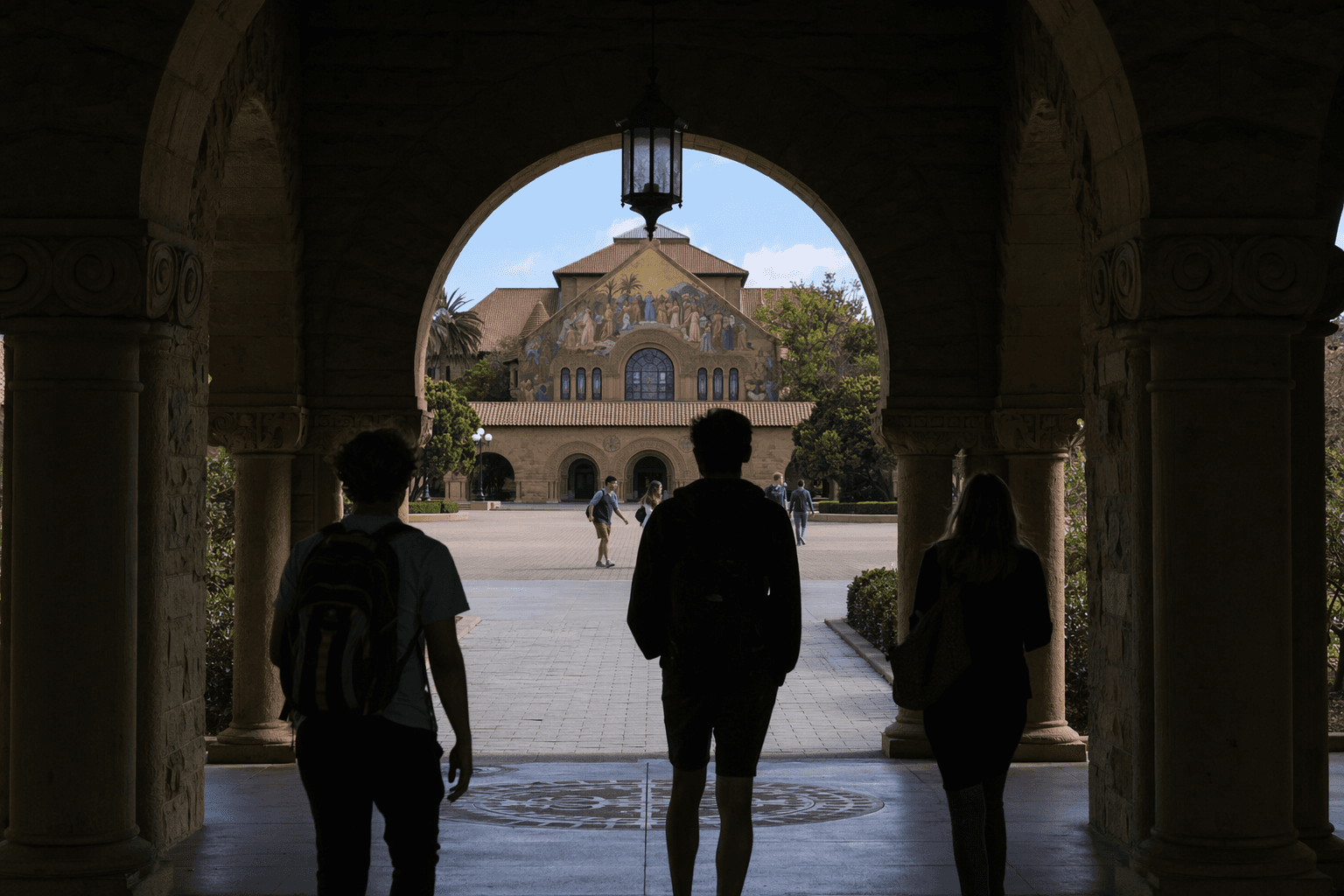
Baker has described Stanford’s culture as one that commodifies education and cultivates future billionaires. That is the backdrop for his observation that there is a common refrain among young people that it is easier to raise money for a startup than to get an internship, a line that captures the strange priorities of a campus where entrepreneurial status can feel more attainable than a conventional career foothold. On a university shaped by venture capital, that comparison is not just rhetorical. It is a warning about what students are told to aspire to, and what the institution quietly normalizes.
The university’s own ecosystem makes the critique harder to dismiss
Stanford’s entrepreneurship infrastructure gives Baker’s reporting its structural force. The Stanford Technology Ventures Program offers the Mayfield Fellows Program, a paid summer internship and work-study style program for 12 undergraduate and co-term students. Stanford Career Education advertises internship postings, job postings, career fairs, alumni events, and coaching through Handshake. Stanford also points students into broader entrepreneurship pathways through the Stanford Entrepreneurship Network and student programs focused on venture capital and startup leadership.
Taken together, those systems show how tightly founding, fundraising, and recruiting are interwoven on campus. A student can move from class to startup culture, from startup culture to career services, and from career services to the venture ecosystem without ever leaving the Stanford orbit. That is what makes Baker’s reporting so resonant: it is not merely about one scandal, but about an institution whose identity is shaped by the same power networks it is supposed to oversee.

The Mayfield Fellows Program is especially revealing because it sits at the intersection of work, training, and prestige. Calling it both a paid summer internship and a work-study program signals how Stanford packages professional opportunity as part of the educational experience. That matters in a story about access, because it suggests that the university’s pipeline is not accidental. It is built to channel ambitious students toward Silicon Valley’s preferred forms of success.
Why this became a story about accountability, not just scandal
Baker’s reporting mattered because Stanford itself did not force the underlying questions. It took a student reporter, working through The Stanford Daily, to surface allegations that the university later said had never been reported. That should trouble anyone who cares about governance, because it suggests that accountability on elite campuses may depend less on internal checks than on outsiders within the institution willing to challenge its assumptions.
The resignation of Marc Tessier-Lavigne was the most visible outcome, but the deeper issue is institutional culture. If a university can be described by one of its own investigators as a place where business logic and academic authority are inseparable, then misconduct does not exist in isolation. It grows in an environment where prestige can discourage skepticism, where alumni and donors shape incentives, and where the language of innovation can obscure basic questions of truth and responsibility.

Baker’s reporting also shows the civic value of student journalism at its best. A campus newsroom does not usually have the resources or distance of a national outlet, yet it can see patterns that outsiders miss because it sits inside the daily life of the institution. In this case, that proximity produced accountability. It forced Stanford to confront questions about how power circulates through labs, leadership, and the larger startup machine around it.
The book now turns the campus investigation into a larger warning
That reporting now forms the backbone of Baker’s debut book, *How to Rule the World: An Education in Power at Stanford University*, which Penguin Press is publishing in May 2026. Stanford’s event page says Baker will graduate in June 2026, placing the book release at the end of a four-year stretch that began with a freshman arriving on campus and ended with a journalist who had already helped reshape the university’s public record.
The book’s broader relevance lies in what it suggests about elite institutions everywhere. Stanford is not just a university in California; it is one of the most influential gateways between higher education, Silicon Valley, and national power. If a student reporter can expose how that system protects itself, then the lesson reaches beyond one resignation. It is that institutions built around innovation still need external pressure, internal dissent, and persistent reporting to remain accountable.
Know something we missed? Have a correction or additional information?
Submit a Tip

