Third-Party Switch 2 Controllers Upend Value and Functionality
reviews from major outlets highlight new Hall effect and TMR options, changing prices, wake-from-sleep behavior and rumble trade-offs for Switch 2 buyers.
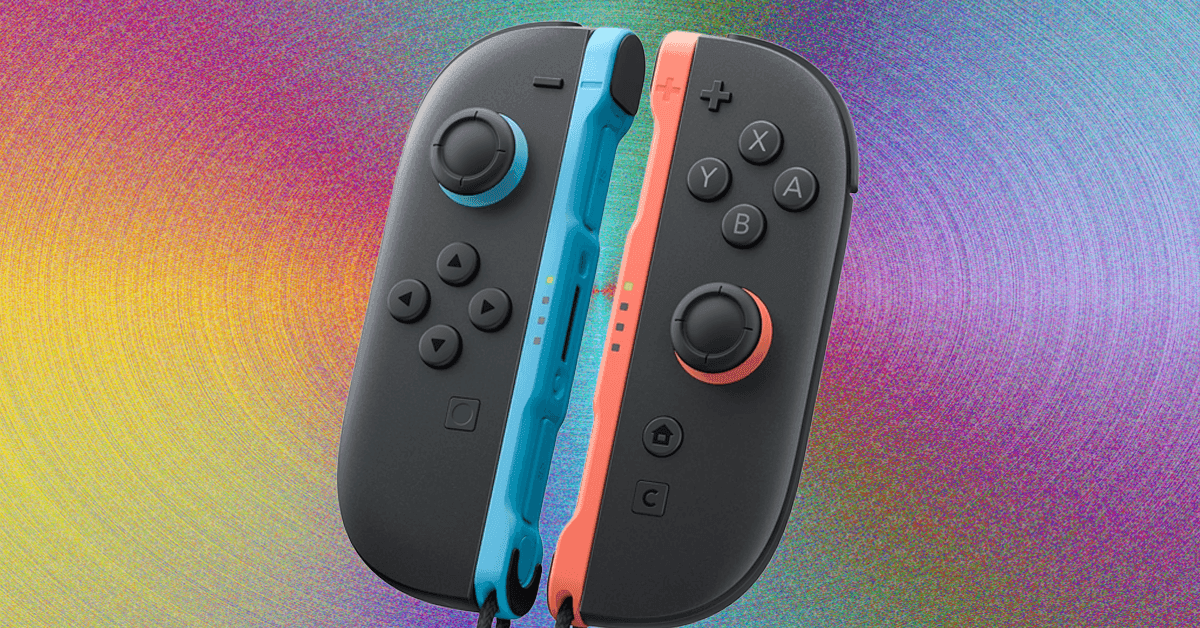
A wave of third-party controllers and incremental first-party updates has reshaped what counts as the best controller for Nintendo’s Switch family, forcing buyers to weigh new sensor tech, wake-from-sleep capability and price in ways they did not last year. IGN, The Verge, Wired, TechRadar and Tom’s Guide each spotlight different winners and trade-offs, with concrete consequences for players deciding whether to pay $60 to $90 for replacement or upgrade pads.
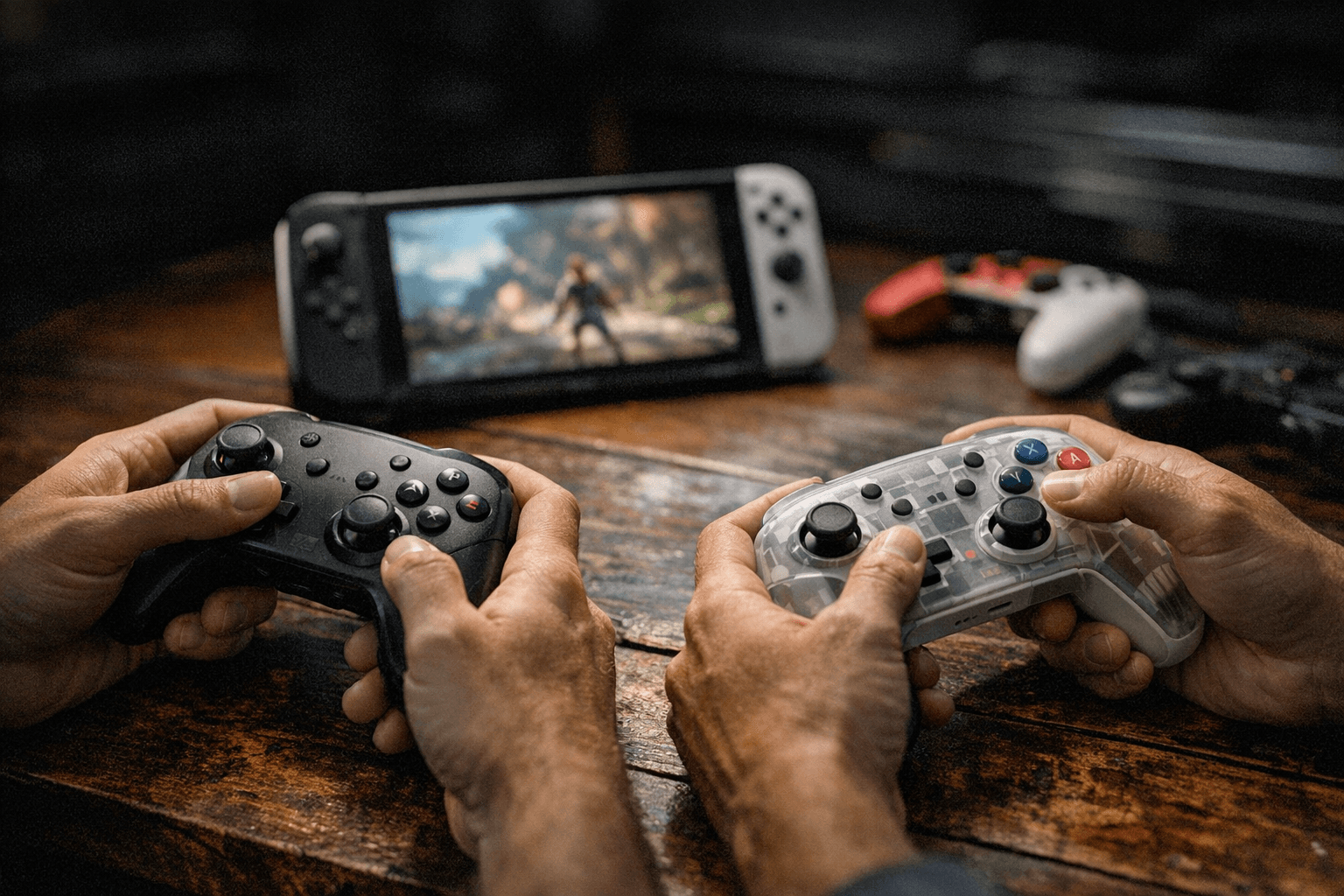
The disagreements are practical. IGN declared GuliKit’s KingKong 3 Max a clear challenger, saying, “It’s a hard task to beat out Nintendo’s own Pro Controller, but GuliKit does just that with the KingKong 3 Max.” IGN lists Hall effect joysticks and triggers, adjustable sensitivity, four detachable and remappable rear paddles, swappable face buttons, a large adjustable D-Pad, a six-axis gyroscope, Amiibo support and the ability to wake the Switch from sleeping. IGN also notes three vibration modes, “including HD rumble,” while warning of “slightly mushy” face buttons and that the KingKong is priced “about $10 more than Nintendo’s controller.”
By contrast, The Verge and Tom’s Guide continue to praise Nintendo’s Pro Controller for TV play. The Verge calls it “the best Nintendo Switch controller for TV mode” and lists strengths including HD rumble, gyro motion, NFC for Amiibo, long battery life and broad platform support — Nintendo Switch 2, Switch, PC, Steam Deck, mobile and Apple TV — while noting one critical limitation: the Pro Controller is “compatible with the Switch 2 (although, it can’t wake the new console from standby— you’ll need a Switch 2 Pro Controller for that, or one of the several third-party options included in our guide to the best Switch 2 controllers).” The Verge also records that the Pro Controller can remotely turn on the original Switch.
Other outlets emphasize different value points. An unnamed original report crowned the EasySMX S10 “the best Switch 2 controller last fall,” noting the “$60 wireless gamepad, which is often well below $50,” that “mimics or improves on many of the $90 Switch 2 Pro controller's best features” and touting “great-feeling rumble in games” and “TMR joysticks.” TechRadar called the Nitro Deck “effectively the Swiss army knife of Nintendo Switch accessories,” with a $59.99 base model and an $89.99 variant that includes extras such as a carry case. TechRadar also lists the 8BitDo Arcade Stick at $90 / £82 for fighting-game fans.
Wired and Tom’s Guide underscore the technical trade-offs buyers face. Wired reports that Joy-Con 2 are roughly 14 percent larger with improved “HD Rumble 2” and smoother thumbsticks, yet they “still” use neither Hall effect nor TMR sensors. Wired also notes PowerA’s Advantage Wireless adopts Hall effect sensors in a wired-bred form but “lacks the built-in audio controls of the corded version” and “can't wirelessly wake [the Switch 2] from sleep.” Tom’s Guide documents its testing process, hooking pads to a PC and using Hardware Tester’s Gamepad Tester to verify inputs, and reiterates that the Nintendo Pro Controller “remains our choice as the very best Switch gamepad around.”
The net result is a fragmented market: some controllers now promise Hall effect or TMR joysticks that reduce drift, others add wake-from-sleep and Amiibo support, while a few trade away rumble or rearrange button layouts to gain customization and styling. For consumers the choice is straightforward: prioritize sensor durability and customization, or stick with Nintendo’s first-party pad for proven rumble, NFC and broad compatibility.
Know something we missed? Have a correction or additional information?
Submit a Tip