Thousands of U.S. flights disrupted by low ceilings and de-icing strains
Traveltourister reported 3,880 disruptions affecting roughly 500,000 passengers; other outlets reported differing totals. Low ceilings, de-icing and staffing strains snarled major hubs.

Traveltourister reported 134 cancellations and 3,746 delays, 3,880 disruptions nationwide, on February 21, 2026, affecting roughly 500,000 passengers, as major carriers and hubs struggled under a mix of weather and operational failures. Other outlets offered different tallies: Ashley J. DiMella at JustOneMama reported about 470 cancellations and 4,946 delays, while Travelandtourworld published a smaller snapshot of 78 cancellations and 547 delays, highlighting the wide variation in dataset snapshots for the same day.
The disruption concentrated at core connecting airports. Traveltourister listed Atlanta, Chicago O’Hare, Newark, Miami, Seattle-Tacoma, Washington D.C. (IAD and DCA), Austin and Albany as the hardest hit. Airlines named across reporting included Delta, American, United, Southwest, Air Canada, Alaska and regional partner SkyWest; JustOneMama additionally highlighted JetBlue and Spirit among affected carriers.
On-the-ground reporting captured the passenger experience. As Ashley J. DiMella of JustOneMama wrote, "The departures board doesn’t change for a long, uncomfortable minute. It glows its steady orange and green, like a promise that everything is fine. Then, with a sudden flicker, the whole world in front of you rearranges itself. 'On Time' becomes 'Delayed.' 'Delayed' becomes 'Canceled.' The gate agents’ smiles get tighter. The groan that rolls through the terminal sounds almost physical, like the airport itself has exhaled in frustration." DiMella added that disruptions often begin small, "an alert here. A weather cell there. A crew timing out in one place, a software glitch in another", before spreading "like dominoes falling in slow motion across the map of the United States."
Operational reporting attributed the cascade to a combination of low ceilings and competing flow constraints. The Traveler said, "In Chicago, O’Hare International once again served as a barometer for the broader system" and noted that "snow, low ceilings and crosswinds pushed airlines to adjust runway configurations and reduce departure rates, triggering holding patterns and slot restrictions that cascaded into the afternoon and evening." That outlet also counted Boston Logan as a local flashpoint, reporting that "weather and operational turmoil have delayed 82 flights and canceled 16 at Boston Logan, rippling across Orlando, Chicago, Washington D.C., Tampa and beyond," and that "nearly half of departures and more than a third of arrivals" at Logan experienced schedule slippage.
Airport-level snapshots varied. Travelandtourworld published an Atlanta operations table showing "Total cancellations today at ATL: 21" and "Total delays: 21," and listed per-airline rows including Delta Air Lines | 21 | 1% | 8 | 0% and SkyWest | 0 | 0% | 8 | 25% as presented in its table.
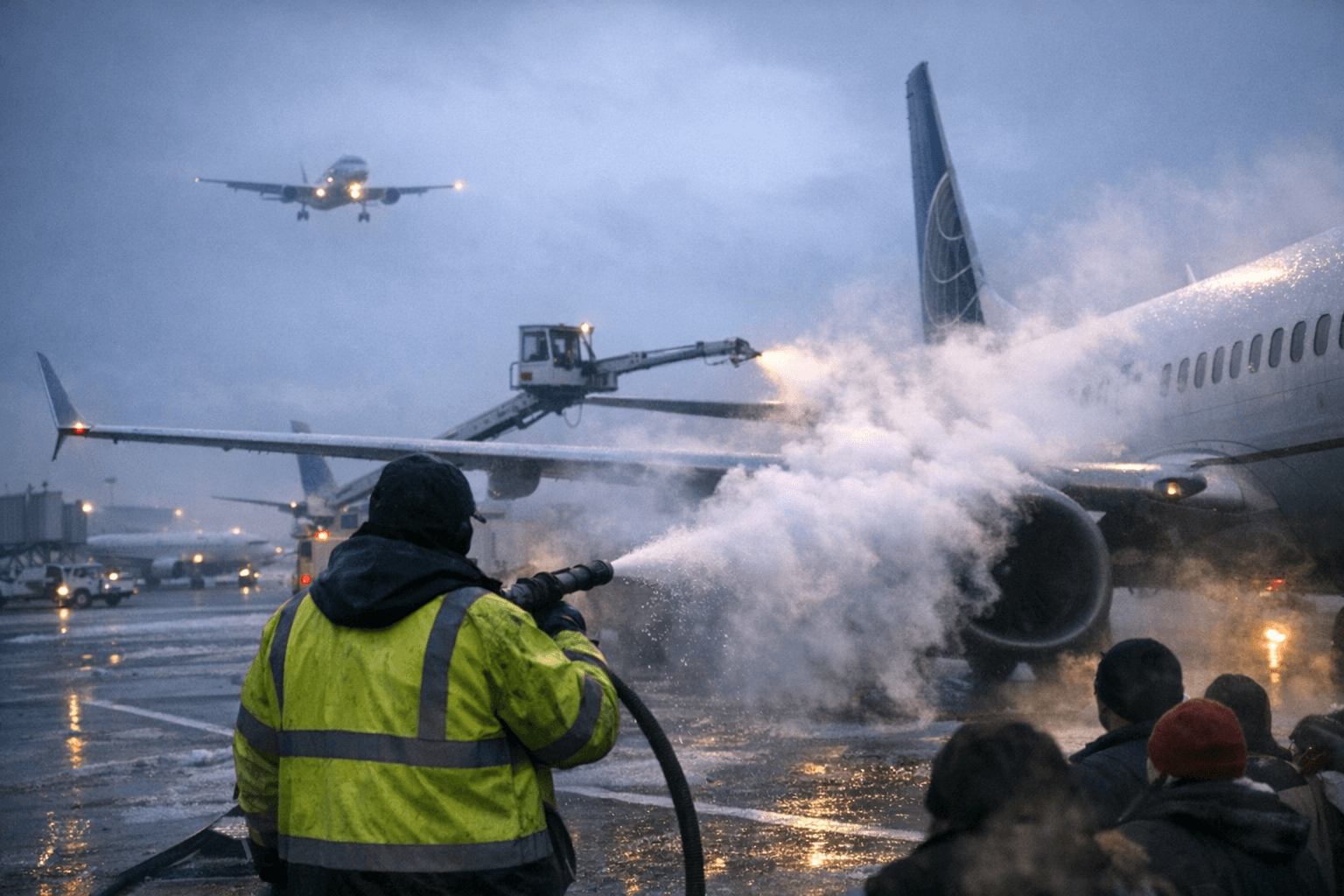
Sources pointed to a mix of causes: low ceilings and snow that increased de-icing demand, de-icing delays themselves, high passenger volumes as spring-break travel begins to surge, equipment failures, staffing pressures and crew timing out, and isolated software glitches. Traveltourister framed the episode as ongoing pressure on the network, calling it "Day 52 of ongoing US aviation disruption" and warning of "no sign of relief heading into spring break season."
The divergent national tallies underscore how national disruption aggregates can depend on timing and methodology. For readers planning travel, the outlets above recommend checking airline notifications and airport advisories directly. Operational data from hubs such as ATL and BOS suggest localized delays and cancellations will continue to ripple through the network until weather and crew scheduling pressures ease.
This article was produced by Prism’s automated news system from verified source data, official records, and press releases, then run through automated quality and moderation checks before publishing. The system is built and supervised by the people who set the standards it runs under. Read our full AI policy.
Did this article answer your question?

