Three Common Topspin Mistakes Recreational Players Make and How to Fix Them
Tanner Tomassi and other coaches say three predictable mechanical errors — late contact, a flat path, and a low finish — are why recreational topspin fails; each has clear drills to fix it.
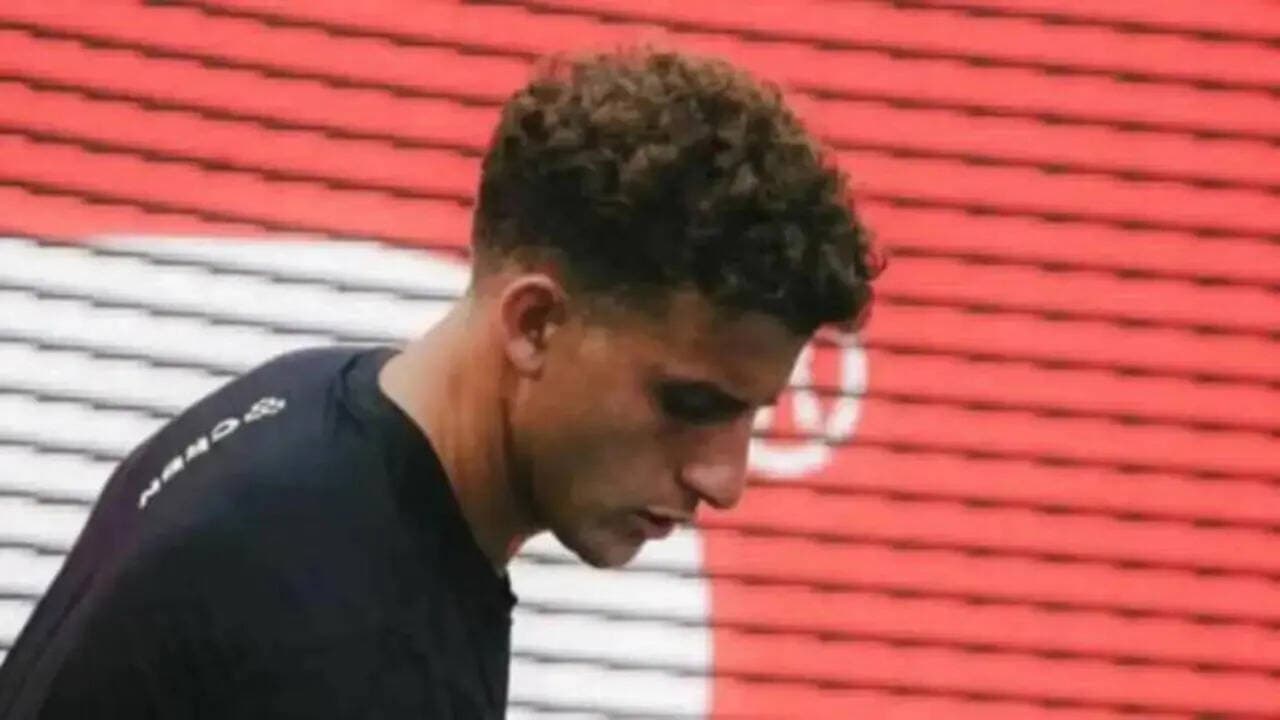
Tanner Tomassi, on his Instagram channel, lays it out bluntly: “These are the three mistakes you're probably making if you're struggling to hit topspin.” That line anchors a fast, actionable correction plan for recreational players—because when you fix timing, paddle angle, and the finish, your shots stop sitting up and start dipping where you want them.
Why this matters now The Dink Media Team’s instructional roundup points readers to Tomassi’s coaching and other technical sources because these three faults consistently show up across racket sports. Whether you dink in pickleball, grind in tennis, or practice forehand topspin in table tennis, the mechanical themes repeat: hit too late and you lose upward acceleration; swing too flat and the ball sits up; stop your follow-through too early and spin never finishes. Fixing one error at a time delivers big, measurable improvement in consistency—and fewer “hero shot” attempts that leave you off-balance.
- Table tennis (PingSkills): the usual trio is “hitting the ball too late,” “hitting the ball too flat,” and “following through too low.” PingSkills pairs those faults with a three-step corrective framework: Awareness → Rewiring → Progression.
- Pickleball (Tanner Tomassi, Jordan Briones): Tomassi’s three mistakes are muscling the ball with elbow/wrist, starting the paddle sideways instead of tip down, and failing to finish over the shoulder. Jordan Briones stresses: “In order to create topspin, we have to start beneath the ball.”
- Tennis/groundstrokes (TopspinPro, FeelTennis): errors show up as hitting through instead of up, late contact (not in front), and not imagining the right trajectory; coaches recommend contact at waist-to-chest height and visualizing a higher flight to encourage racket drop under the ball.
Three ways coaches describe the same failure (sport context matters)
Mistake 1 — hitting the ball too late (and how to fix timing) What goes wrong: PingSkills flags “hitting the ball too late” as a primary error. TopspinPro explains the same symptom: when contact is too far back or to the side of the body, players can’t accelerate up the ball and lose the upward component that creates topspin.
- Aim for contact in front of the body, ideally at waist-to-chest height, with your arm nearly extended depending on grip, as TopspinPro prescribes. Use a target taped at that spot to train the eye-hand link.
- Footwork drills — ladder exercises and shadow swings — make reaching the correct contact point automatic. TopspinPro recommends these to ensure you’re in position before the ball arrives.
- Drill progression: start slow shadow swings focusing on stepping into the contact point, then add live feeds where the ball is placed slightly earlier to force forward contact. TopspinPro also suggests working on one fault at a time rather than overhauling everything at once.
Concrete fixes:
Mistake 2 — swinging too flat (not low-to-high) What goes wrong: TheDinkPickleball sums it up: “The result? A flat ball that sits up.” TopspinPro’s #7 notes the misconception that forward motion alone produces topspin—true topspin needs a steep upward motion at contact.
- Start the paddle beneath the ball and swing up. Briones and TheDinkPickleball stress dropping the paddle head early: footwork and knee bend make that vertical path possible.
- Mental imagery: FeelTennis recommends visualizing a higher trajectory over the net so the racket naturally drops under the ball; Tomassi’s cue—“pretend that you're waving hello, hello but doing it sideways”—is another relaxation image that promotes the correct, loose low-to-high swing.
- Movement drills: slow low-to-high shadow swings, then progressive ball tosses where you focus solely on brushing the top part of the ball enough to “roll” it forward, a cue TopspinPro prefers over the misleading “brushing” terminology.
Concrete fixes:
Mistake 3 — finishing too low or to the side What goes wrong: PingSkills lists “following through too low.” Tomassi is emphatic here: the final error “drives me crazy” when players don’t finish over the shoulder. He demonstrates the difference and counsels, “Very loose wrist with my paddle down, finishing over my shoulder.”
- Finish-over-shoulder shadow swings: exaggerate the finish until it becomes the default. Film a few reps to confirm your paddle ends over the shoulder rather than out to the side.
- Keep the wrist loose. Both Tomassi and FeelTennis emphasize relaxation—jerky acceleration or tense wrists choke the racket’s ability to drop under the ball and produce spin.
- Drill the finish into play: after isolated shadow reps, do funnel feeds where you strike two balls in a row and must finish high on both. Progress to live dinks or groundstroke exchanges where finishing is the pass/fail criterion.
Concrete fixes:
Avoid the common “wristy” and “hero shot” traps Jordan Briones warns against “The Wristy Business,” where players flick the ball with the wrist and create inconsistency or risk injury. TheDinkPickleball also flags “The 'Hero Shot' Syndrome”: swinging for winners without balance. Both problems trace back to poor preparation—if your base isn’t set you shouldn’t swing for the fences. The practical answer: build balance with knee bend, step into the ball, and make the swing come from the whole body, not from a flick of the wrist.
How to practice this in a single weekly session (use PingSkills’ framework) PingSkills’ three-step method—Awareness, Rewiring, Progression—fits perfectly with these technical corrections: 1. Awareness: Record yourself for two minutes or have a partner call out faults. Identify whether you hit late, swing flat, or finish low. 2. Rewiring: Use targeted drills—ladder footwork, shadow low-to-high swings, paddle-tip-down position drills, and finish-over-shoulder reps. Keep the tempo slow and deliberate; TopspinPro and FeelTennis both recommend slow acceleration so the racket can drop under the ball. 3. Progression: Add pace and decision-making gradually. Start with tosses, move to controlled feeds and dinks, then play points where the goal is to maintain the correct contact and finish, not to win. PingSkills stresses repetition to lock in the new patterns.
- Tanner Tomassi (professional player/coach): key quotes and his Instagram breakdown stressing loose wrist, paddle tip down, and finishing over the shoulder. “The mistake that the majority of people make…is they try to come over the ball and muscle it with their elbow and their wrist,” he says.
- Jordan Briones (Briones Pickleball Academy) and TheDinkPickleball: start beneath the ball, get low, and “stop ‘pushing’ and start ‘lifting.’”
- PingSkills (table tennis): the Awareness → Rewiring → Progression framework and the forehand topspin checklist: hitting too late; hitting too flat; following through too low. Note: PingSkills’ video requires a free membership and references techniques used by Olympic Coach Alois Rosario and Olympian Jeff Plumb.
- TopspinPro and FeelTennis: footwork ladders, shadow swings, contact at waist-to-chest height, “roll” the ball forward, and mental imagery to encourage racket drop.
Resources and who said what
Final word Topspin isn’t a mysterious secret reserved for pros; it’s the sum of three reproducible mechanics—timing, path, and finish—plus the footwork and relaxation that let them work together. Fix the fault you see first, train it with slow, specific drills (shadow swings, ladder work, finish exaggeration), then progress under pressure. As Tomassi puts it, “topspin isn’t about hitting harder. It’s about staying loose, keeping the paddle at the right angle and finishing the stroke properly.” Get those three pieces to play together and your shots will stop sitting up and start landing where you want them.
Know something we missed? Have a correction or additional information?
Submit a Tip