Three hikers die from suspected heat illness at Grand Canyon
Three hikers are believed dead from heat illness at Grand Canyon, where inner-canyon temperatures can top 100°F and officials say many visitors still underestimate the danger.
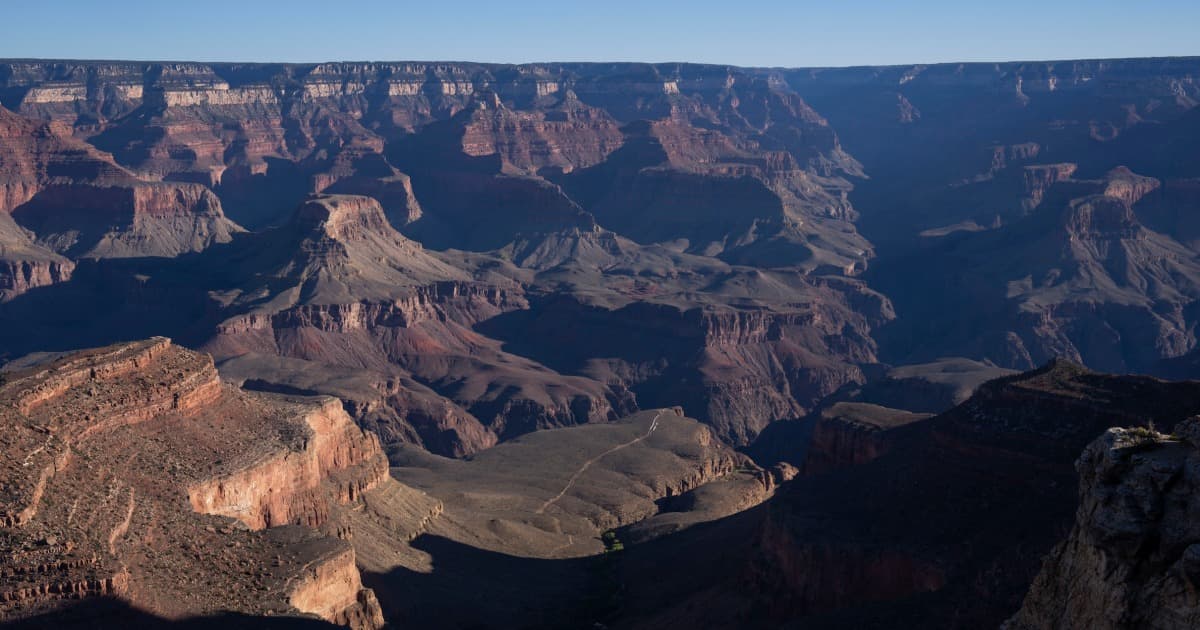
Three hikers appear to have died last week from heat-related illnesses at Grand Canyon National Park, a grim reminder of how quickly summer conditions can turn deadly below the rim. Park officials have again warned that the inner canyon can reach 100°F, or 38°C, and that hikers should not descend during excessive heat warnings.
The danger is not just the temperature. The National Park Service says visitors should start before 10 a.m. or after 4 p.m. to avoid the hottest part of the day, and it warns that extreme heat can trigger heat exhaustion, heat stroke, hyponatremia and hyperthermia. Park guidance also says many hikers underestimate how difficult inner-canyon travel becomes in summer, when steep grades, limited shade and long return climbs can punish even experienced visitors.
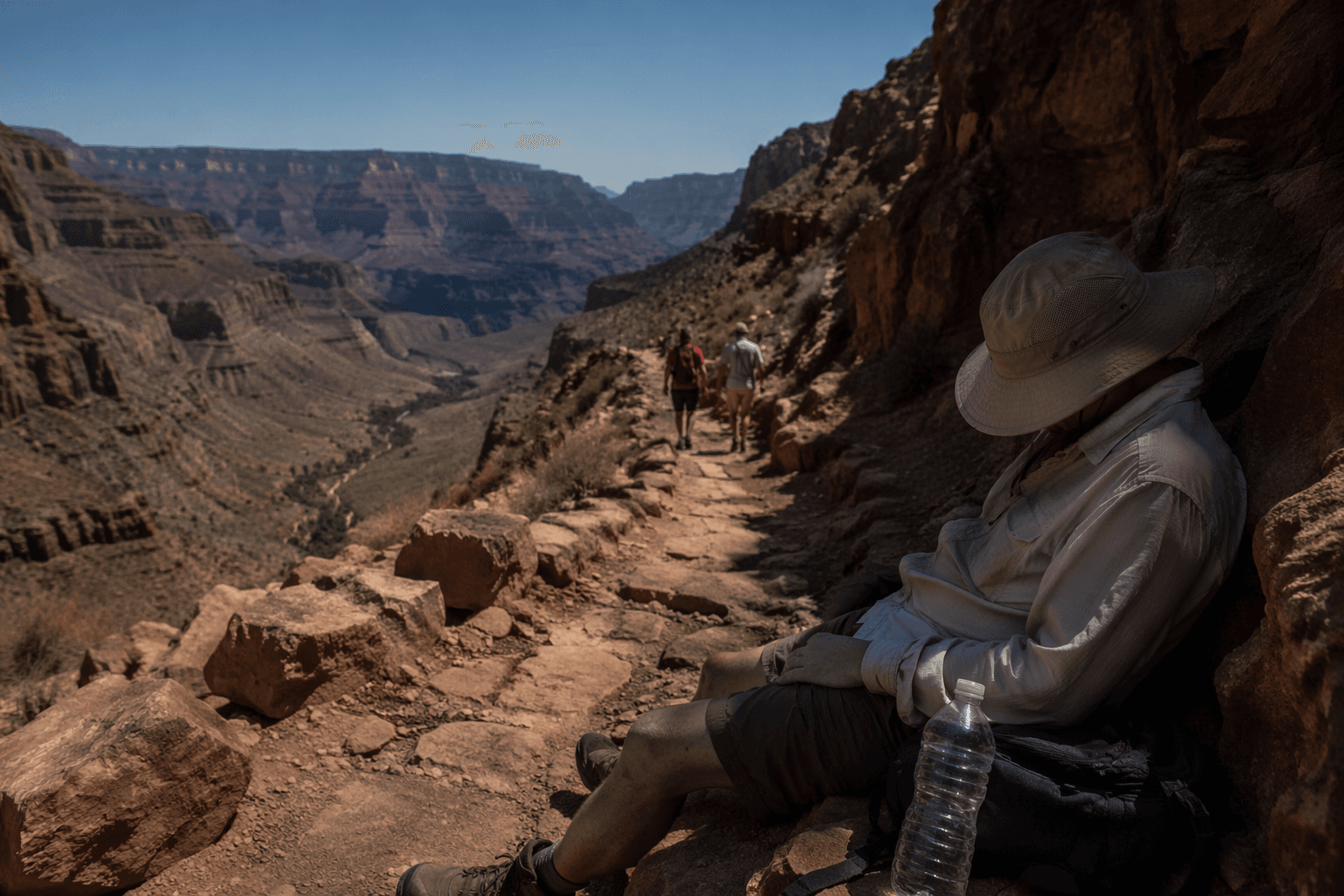
One fatality on June 3 drove that point home. At about 1:40 p.m., the Grand Canyon National Park Regional Communications Center received reports of an 18-year-old male experiencing heat-related symptoms below Havasupai Gardens on the Bright Angel Trail. A coordinated helicopter rescue effort was launched, but it was unsuccessful, and the death remains under investigation with the Coconino County Medical Examiner’s Office.
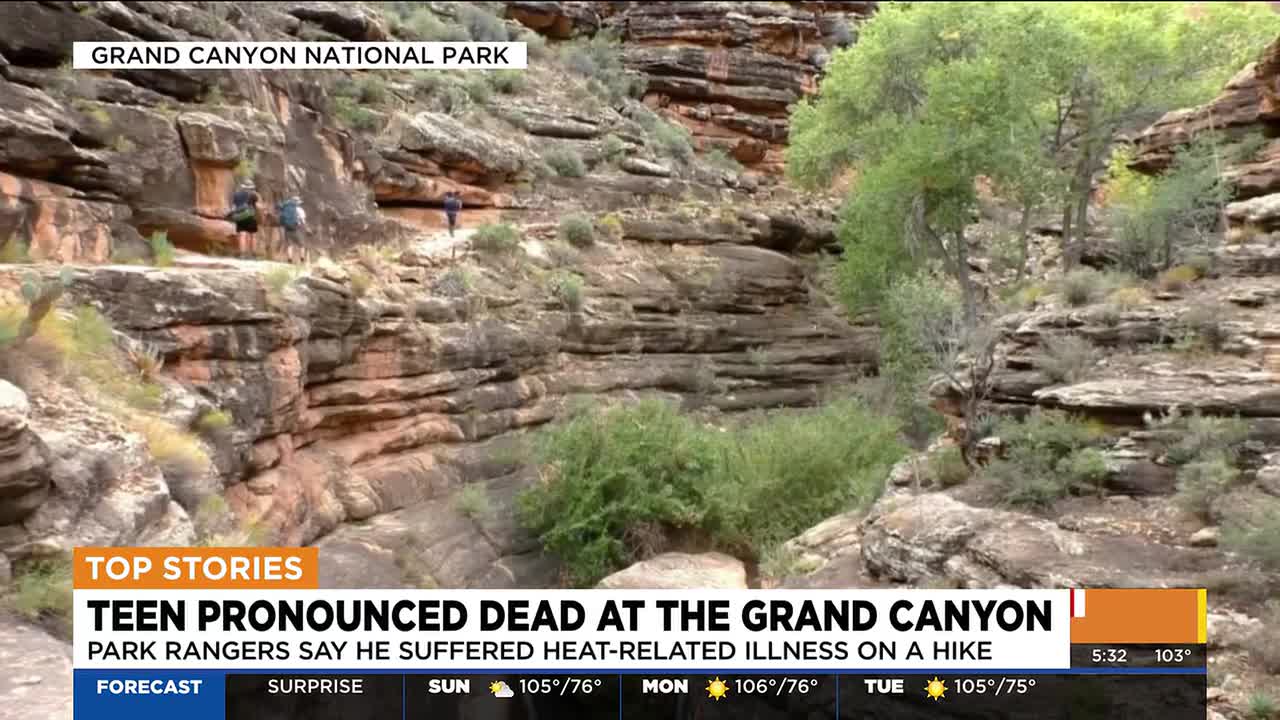
Another recent death underscored the risk on a different route. On May 15, 2025, Dennis Smith, 74, of Olympia, Washington, died on the North Kaibab Trail while attempting a rim-to-rim hike. Park officials said bystanders and National Park Service personnel tried to resuscitate him, but he was pronounced dead at the scene. Officials also noted that inner-canyon temperatures were expected to reach 100°F that week.
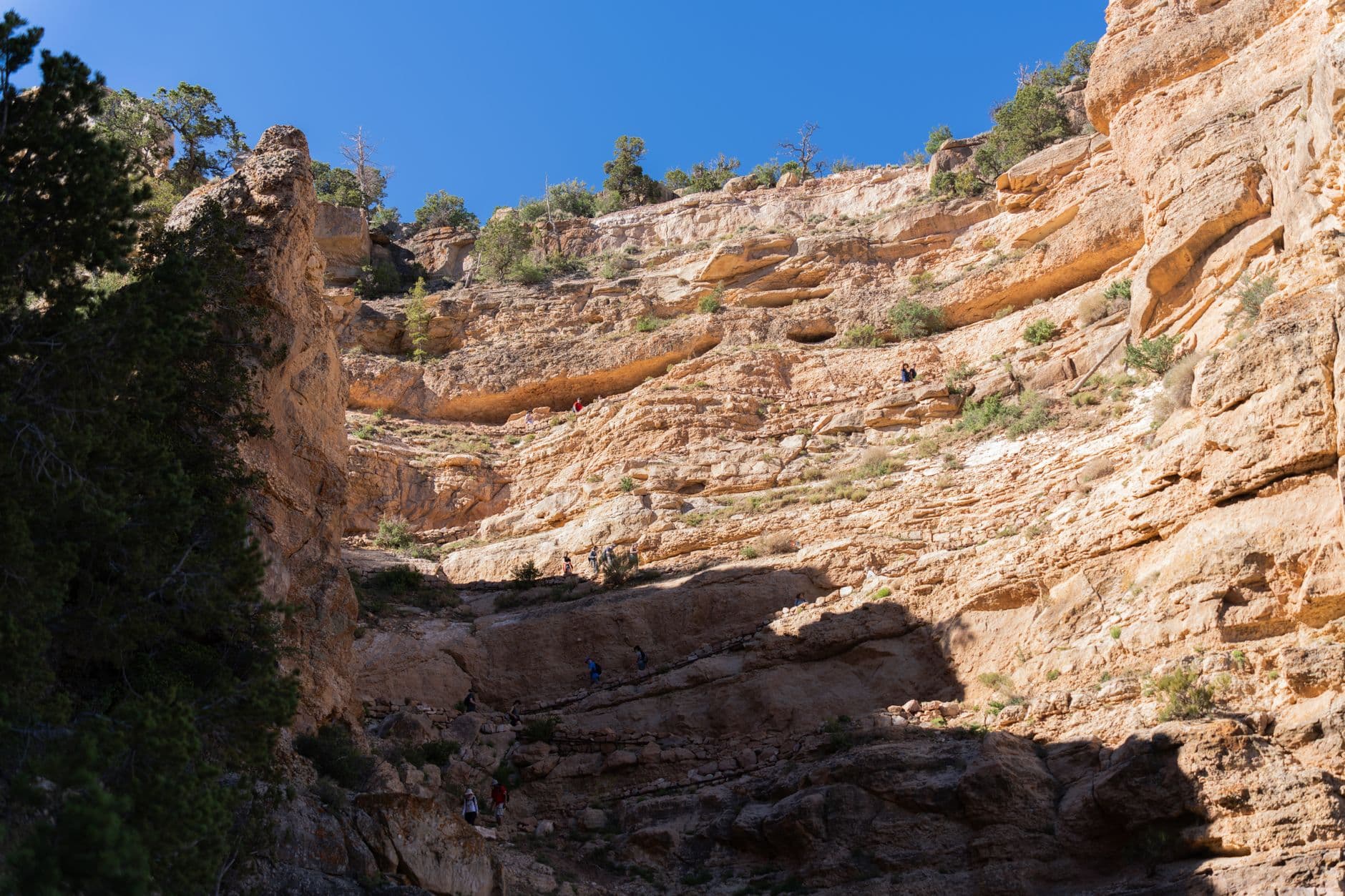
The park’s own alerts now serve as a frontline warning system, directing visitors to trail conditions, closures, weather forecasts and drinking water availability inside the canyon. Still, the repeated fatalities raise a hard public-safety question for Grand Canyon National Park and the National Park Service: whether warnings alone are enough when heat, terrain and timing combine to make familiar trails lethal.
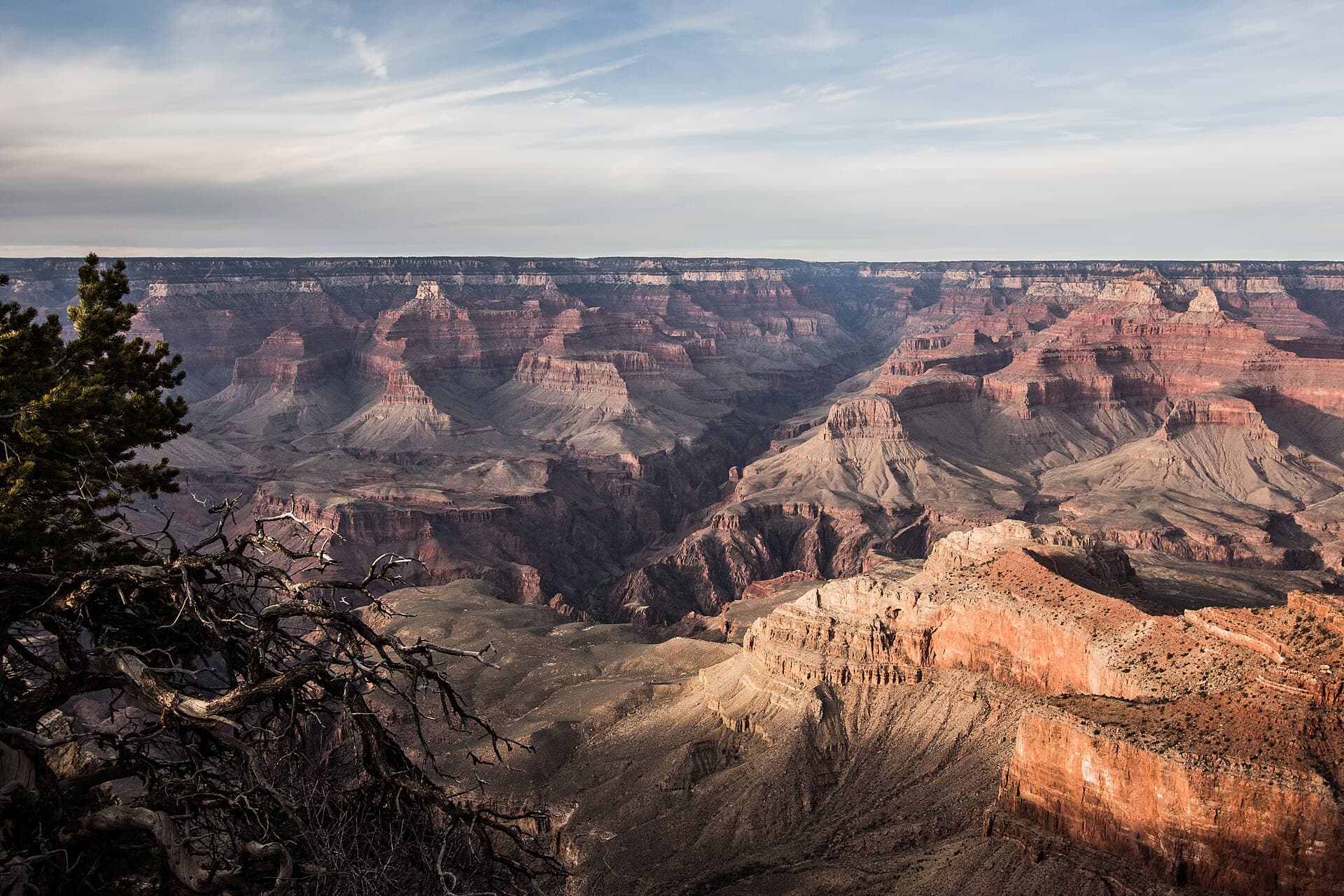
As hotter seasons intensify, the pressure will fall on park managers to show that current advisories, access restrictions and rescue resources are keeping pace with the danger. In a landscape where a missed turn, a late start or a bad estimate of water and endurance can become fatal, the cost of getting it wrong is measured in lives.
This article was produced by Prism’s automated news system from verified source data, official records, and press releases, then run through automated quality and moderation checks before publishing. The system is built and supervised by the people who set the standards it runs under. Read our full AI policy.
Know something we missed? Have a correction or additional information?
Submit a Tip