Thune rebuffs Trump push to fire Senate parliamentarian over voter ID bill
Trump pressed John Thune to fire Elizabeth MacDonough as Republicans failed to muster 60 votes for the SAVE America Act, turning a voter ID fight into a test of Senate rules.
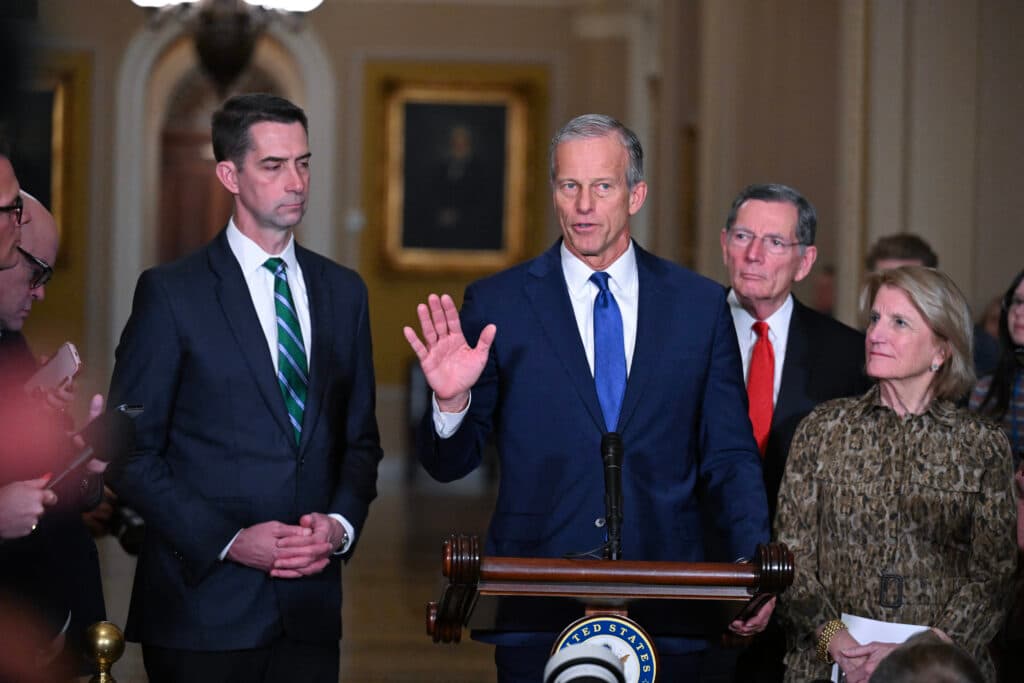
John Thune is resisting a direct Trump demand to oust Elizabeth MacDonough, turning a fight over voter ID legislation into a larger test of who controls Senate procedure. The clash has exposed how far Republicans are willing to bend long-standing rules as they try to revive the SAVE America Act, a bill that has already cleared the House but stalled in the Senate.
Trump posted on June 9 that Thune should immediately fire the parliamentarian and later said Republicans have the right to change her. MacDonough, who has served as Senate parliamentarian since 2012, was appointed by Democratic Leader Harry Reid and became the first woman to hold the job. Her office is meant to referee the chamber’s rules, including the Byrd rule that limits what can be tucked into budget reconciliation, and that power has made her a recurring target whenever Senate leaders want to advance partisan priorities without 60 votes.

The pressure is mounting because Republicans do not have the 60 votes needed to end debate on the SAVE America Act under the filibuster. The bill would require proof of citizenship to register to vote and photo ID to vote in federal elections, and Democrats have warned it could burden college students, seniors, married women who changed their names, Americans living abroad and adopted voters. Republicans have cast the measure as an election-integrity bill, while Trump has said he will not sign other legislation until it passes.
Thune told reporters on April 22 that the Senate would “pivot off” the election bill and focus on reconciliation and other priorities, including renewal of Section 702 of the Foreign Intelligence Surveillance Act before its deadline. That came after the Senate voted 52-46 on a motion to proceed to the budget resolution that would open the reconciliation track. Thune has also said the votes were not there for a “talking filibuster,” underscoring how little room Senate Republican leadership has to rewrite the chamber’s rules on the fly.
MacDonough’s recent Byrd-rule rulings have only sharpened the fight. Her guidance stripped out $1 billion in Secret Service funding tied to a proposed White House ballroom and also blocked other immigration-related provisions, reinforcing the argument among conservatives that the parliamentarian is standing in the way of Trump’s agenda. Senate leaders from both parties have replaced parliamentarians before, but not since MacDonough took the job in 2012. For now, Thune is trying to preserve the Senate’s rules referee while absorbing pressure from Trump, House Republicans and hard-line senators who want faster action than the chamber’s rules will allow.
This article was produced by Prism’s automated news system from verified source data, official records, and press releases, then run through automated quality and moderation checks before publishing. The system is built and supervised by the people who set the standards it runs under. Read our full AI policy.
Did this article answer your question?

