TikTok sunscreen misinformation spreads as viral clips fuel confusion
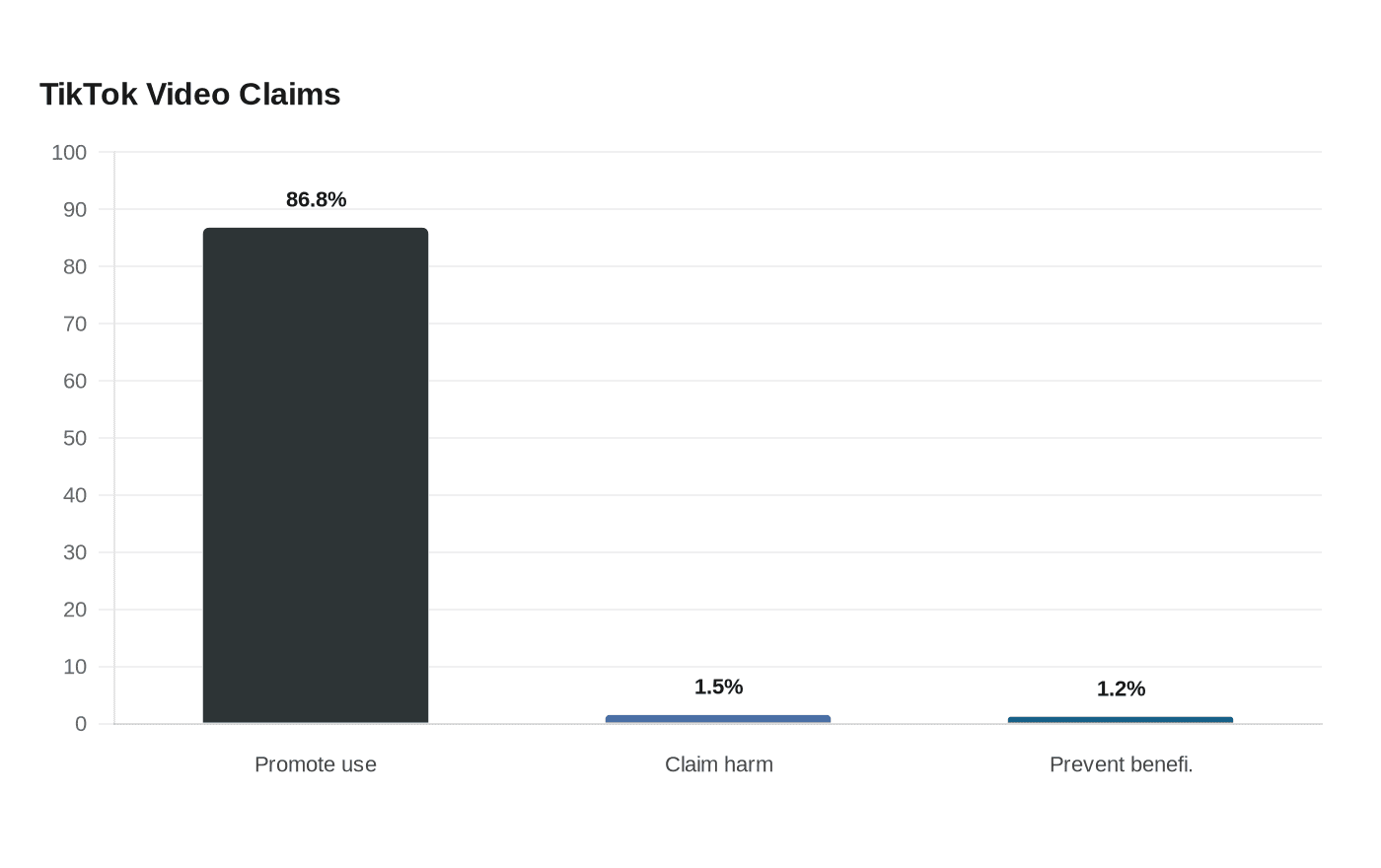
Viral TikTok clips are spreading sunscreen myths faster than pro-sunscreen posts, even though 86.8% of the most viewed videos still back protection.

TikTok’s sunscreen debate is being won by the clips that travel fastest, not by the claims that are most accurate. A new ABC News segment highlighted how viral videos can push misleading ideas about sunscreen and sun safety, even as most posts on the platform still encourage people to protect their skin.
A June 18 study in PLOS Digital Health sharpened that picture. Researchers Alessandro Marcon, Marco Zenone, Vincenza Boniface, Cheryl E. Peters and Timothy Caulfield analyzed 971 of the most viewed TikTok videos across five sunscreen-related hashtags and found that 86.8% promoted sunscreen use. But only 1.5% of the videos claimed sunscreen causes harm and 1.2% said it prevents health benefits. The smaller cluster of critique-only videos drew significantly more likes, shares and comments than videos that simply promoted sunscreen, showing how attention can tilt toward misleading content even when it is a minority of what users see.

That dynamic is now spilling into everyday behavior. On May 1, the American Academy of Dermatology said more than 16 million adults reported reducing or stopping sunscreen use because of online claims. The academy said 64% of Gen Z respondents had encountered sunscreen misinformation online, and 36% named Instagram or TikTok influencers as their primary source for skincare advice. It also found that 57% of Americans regularly use sunscreen, yet one-third reported getting a sunburn in the past year, underscoring the gap between awareness and action.

The medical stakes remain clear. The Centers for Disease Control and Prevention says most skin cancers are caused by too much exposure to ultraviolet light, protection matters all year, and UV rays are strongest in the continental United States from 10 a.m. to 4 p.m. daylight saving time. The agency also says unprotected skin can be damaged in as little as 15 minutes. That warning lands hardest in summer, when pool days, vacations and outdoor events push families into higher-risk sun exposure in real time.
The broader concern is not one bad video but a feed that can normalize doubt about a routine habit. Dermatology groups continue to recommend broad-spectrum SPF 30 or higher, along with clothing, hats and shade, because the most shareable clip is not always the one that keeps skin safest.
This article was produced by Prism’s automated news system from verified source data, official records, and press releases, then run through automated quality and moderation checks before publishing. The system is built and supervised by the people who set the standards it runs under. Read our full AI policy.
Did this article answer your question?