TikTok’s algorithm shapes culture, as regulators target fake engagement
TikTok’s feed is now a marketplace and a culture engine, while regulators crack down on bought followers, fake reviews, and engineered virality.
The new trust test in online culture
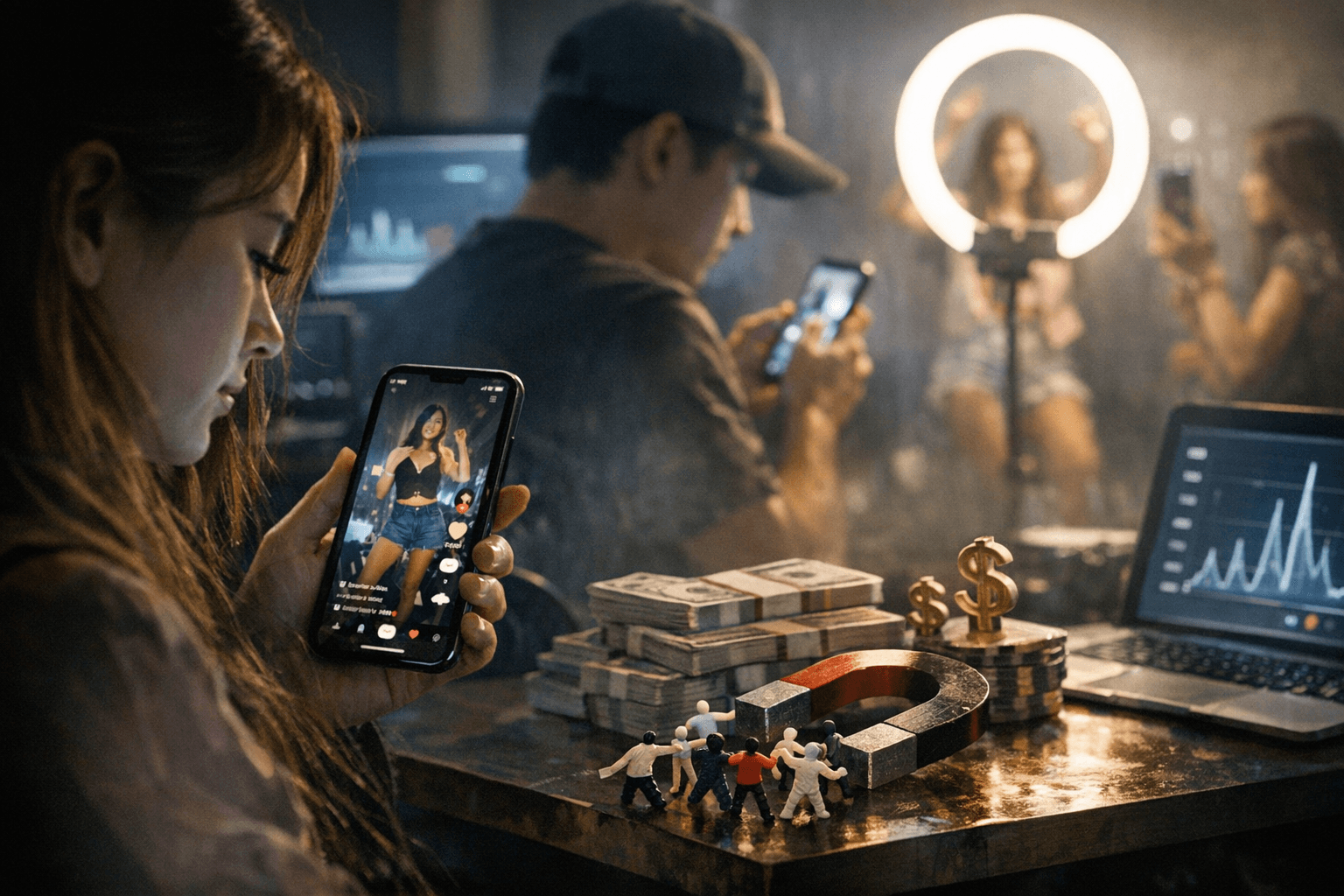
TikTok has become one of the clearest examples of how culture is now shaped by a machine, not just by taste. Its For You feed is powered by machine-learning recommendation systems that use signals such as what people watch, like, share, comment on, watch in full, or skip, which means attention is not only measured but constantly redirected. That is why the platform sits at the center of a growing trust crisis: when audiences say “everything is a psyop,” they are reacting to a world where authentic popularity, paid seeding, and algorithmic amplification often blur together.
That ambiguity matters because the same system that can surface a song, meme, or product review to millions can also make a manufactured trend look organic. A track can be pushed through coordinated engagement, a product can be boosted by undisclosed creators or bought views, and a joke can feel spontaneous even when it has been strategically distributed. The result is a culture in which people are no longer just asking whether something is good, but whether it became visible because people genuinely liked it or because the system was gamed.
How TikTok decides what rises
TikTok says its recommendation system is designed to predict what users are likely to enjoy, using the signals they provide through their behavior. That includes the content they like, share, comment on, and watch in full, along with what they skip. In practical terms, every tap becomes a data point, and every pause becomes a clue, which makes the feed both highly responsive and highly vulnerable to manipulation.
The company has also expanded its transparency pages around recommendation systems, content moderation, and covert influence operations. Those disclosures matter because they show that TikTok understands the criticism leveled at the platform: if the feed is powerful enough to shape public taste, then the rules behind that feed become a matter of public interest, not just product design. TikTok also says it publishes covert influence-operations reports and removes networks that try to re-establish themselves after disruption, underscoring how often influence on the platform is treated as an enforcement problem rather than a purely cultural one.
A 2025 covert influence report from TikTok said it removed 5,374 accounts associated with previously disrupted networks that were attempting to re-establish their presence during that reporting period. That number is important because it shows this is not a theoretical risk. It is an ongoing cycle of takedown, regrouping, and renewed attempts to game attention.
Why regulators are moving now
The Federal Trade Commission has tightened its posture against deceptive influence tactics because fake popularity is not just a social-media nuisance anymore. The agency revised its Endorsement Guides in June 2023, then announced a final rule on consumer reviews and testimonials on August 14, 2024. That rule went into effect on October 21, 2024, and it prohibits buying or selling fake consumer reviews and fake social-media indicators of influence, including bought followers or views.
The policy shift is significant because it recognizes that online influence can be fabricated at scale. A brand no longer needs to rely only on a glossy ad campaign; it can try to simulate momentum through paid engagement, manipulated metrics, or undisclosed insider endorsements. The FTC’s rule is aimed at that gray zone, where a post can look like grassroots enthusiasm even when it has been engineered to perform that way.
This is where the trust crisis becomes economic as well as cultural. When fake engagement is cheap to buy, audiences begin to discount visible popularity itself. A viral product, a trending creator, or a widely shared meme may still be real, but the burden of proof rises. The result is a market in which credibility becomes harder to earn and easier to lose, because audiences now assume that counts, rankings, and engagement numbers may have been tampered with.
TikTok is also a shopping and reputation platform
The platform’s cultural influence is reinforced by its role in commerce. Pew Research found in 2024 that 62% of U.S. adult TikTok users say they use the site to look at product reviews or recommendations. That makes TikTok more than a place to watch short videos. It is now a discovery channel where taste, purchasing decisions, and reputation management intersect.
This shift helps explain why deceptive engagement has drawn closer scrutiny. If a product review on TikTok can influence buying behavior for a large share of adult users, then fake followers, bought views, or hidden endorsements distort more than vanity metrics. They can mislead consumers, tilt competition, and reward the accounts most willing to manufacture credibility.
For marketers, that creates a difficult line to manage. Legitimate promotion still matters, but the difference between seeding awareness and manipulating perceived popularity is now being watched more closely by both regulators and audiences. The commercial value of TikTok lies in its ability to move attention quickly, but the same speed makes it easier to disguise paid amplification as authentic buzz.
The youth and mental-health stakes are rising too
The trust problem is not confined to shopping and entertainment. The World Health Organization Regional Office for Europe reported in September 2024 that problematic social media use among adolescents rose from 7% in 2018 to 11% in 2022 across nearly 280,000 young people aged 11, 13, and 15 in 44 countries and regions, through the HBSC study. That is a large sample, and the upward move is hard to ignore.
The finding matters in the TikTok context because recommendation systems are built to hold attention, and attention is the resource most closely tied to habit formation. The more seamless the feed, the easier it becomes for repetitive checking, compulsive scrolling, and social comparison to take hold. If the platform is also flooded with engineered trends and staged popularity, then young users are not only navigating content overload; they are navigating a feedback loop that can make social validation feel more scarce and more performative.
What this means for culture going forward
The central question is no longer whether TikTok can launch a song, product, or meme. It clearly can. The deeper question is whether the platform rewards genuine interest or engineered virality, and whether people can still tell the difference once engagement is obscured by bought signals and algorithmic boosts.
That is why the fight over fake reviews and fake followers is about more than compliance. It is about restoring a line between popularity that emerges from public interest and popularity that is simulated for profit. Until that line is clearer, audiences will keep treating cultural success with suspicion, and every viral moment will carry the same uncomfortable question: did people choose this, or was it chosen for them?
This article was produced by Prism’s automated news system from verified source data, official records, and press releases, then run through automated quality and moderation checks before publishing. The system is built and supervised by the people who set the standards it runs under. Read our full AI policy.
Did this article answer your question?