Time Out Market Chicago to close Fulton Market food hall Jan. 23
Time Out Market Chicago will close its Fulton Market food hall Jan. 23, 2026, citing weak weekday traffic and rising costs. The move displaces workers and affects more than a dozen vendor concepts.
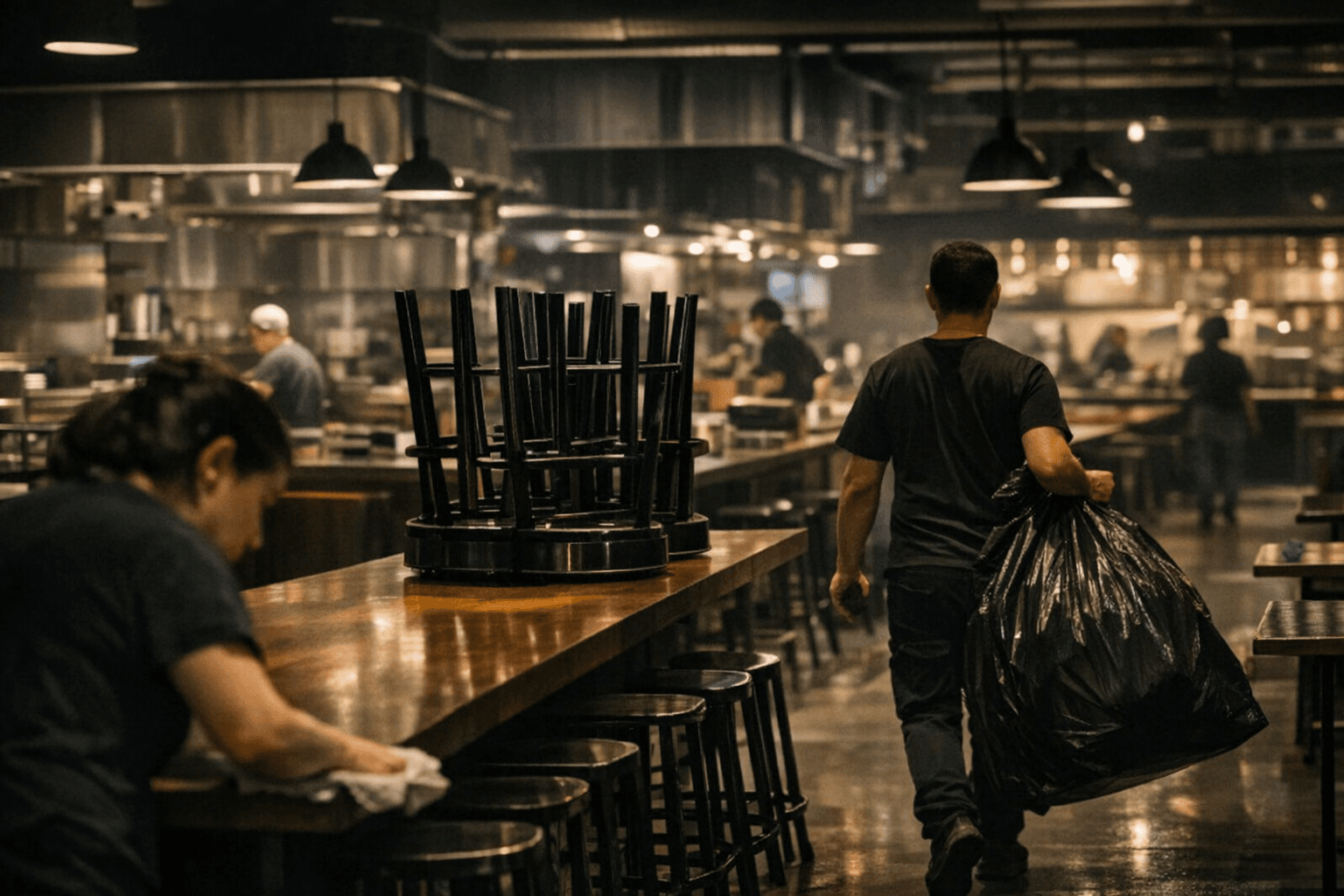
Time Out Market Chicago announced Jan. 14 that it will permanently close its Fulton Market food hall in the West Loop, setting the last day of operations for Jan. 23, 2026. Company leaders pointed to inconsistent weekday foot traffic tied to hybrid work patterns and rising post-pandemic operating costs as the primary reasons for the shutdown.
The closure removes a centralized service location that housed more than a dozen vendor concepts, creating immediate operational questions for businesses and staff who relied on the hall's daily lunch and after-work crowds. Servers, cooks, back-of-house personnel and bartenders who worked shifts at the food hall face displacement as vendors wind down the space and redirect resources.
Several vendor owners have said they will shift staff back to standalone restaurant locations or seek other placements for affected employees, a pattern that could mean short-term hiring by some brick-and-mortar sites and layoffs at operations that have no alternate venue. Vendors are also coordinating with local community organizations to arrange reassignments or support for displaced workers during the transition.
Time Out Market Chicago said it will continue Time Out’s digital coverage and media operations in Chicago even after the physical venue closes, signaling a retreat from the experience-side business in this location while maintaining its media presence. For workers whose roles tied directly to the food hall, the media operations continuation offers little direct reprieve; front-of-house and kitchen staff must rely on employer redeployments, new hires at other sites, or external job-search channels.
The decision underscores broader pressures on food halls and downtown hospitality that rely on weekday office foot traffic. Hybrid work schedules that have thinned weekday crowds in business districts, combined with higher rents and labor costs, have made fixed-cost venues harder to sustain. For multi-concept halls, the economics hinge on consistent midday volume; without it, shared operating expenses and commission structures can become untenable.
For employees, the immediate priorities are clarity on severance, transfer opportunities, and timelines for final shifts. For vendor owners, the closure requires logistical planning to reassign staff, move equipment, and retool marketing to standalone locations. Community organizations already involved in arranging support may expand efforts to help displaced workers navigate unemployment insurance, job placements, and training.
The closure of the Fulton Market location is part of a larger shakeup for hospitality employers navigating diminished business-district demand. For workers and managers in Chicago’s restaurant scene, the next weeks will show how many staff find placements within existing brands, how quickly vendors can relocate or consolidate, and whether other food hall operators adjust their models to the realities of hybrid work and rising costs.
Sources:
Know something we missed? Have a correction or additional information?
Submit a Tip

.png%3Fwidth%3D1280%26auto%3Dwebp%26quality%3D80%26disable%3Dupscale&w=1920&q=75)