Top Cultural Sites and High-Mountain Outdoor Attractions in Apache County
Explore Apache County’s mix of canyon cliffs, a hundred‑room pueblo, iridescent petrified logs and high‑mountain trails, practical tips and must‑see spots from Canyon de Chelly to Greer.
1. Overview: Apache County
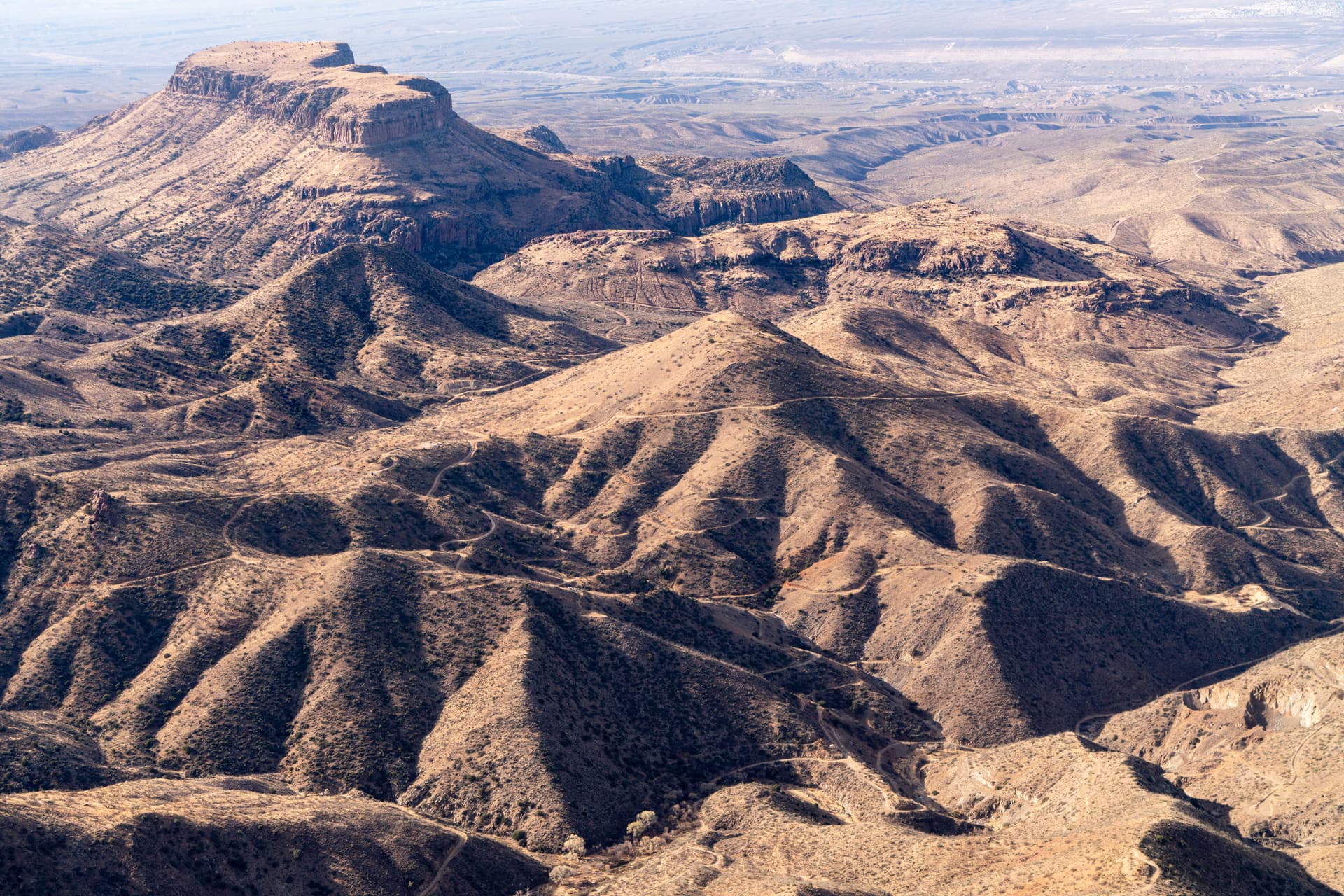
Apache County "spans a large, high‑desert portion of northeastern Arizona and includes a mix of Navajo Nation communities, small county towns and high mountain recreation areas." That scope explains why visitors find both deep cultural heritage and alpine recreation in the same day, Komoot’s guide frames the area as a place to "explore a blend of history and natural beauty across the county" and was last updated February 19, 2026.
2. Canyon de Chelly National Monument
Canyon de Chelly is highlighted for its "dramatic canyons and ancient cliff dwellings," a landscape where Navajo history is still lived and interpreted. Sg Trip’s practical tips recommend driving the North Rim and South Rim scenic routes, stopping at overlooks such as Junction Overlook and Mummy Cave Overlook, and using Navajo‑guided jeep or horseback tours "for a deeper experience" that grants access to areas not open for self‑exploration; spring and fall are noted as the most pleasant seasons to visit.
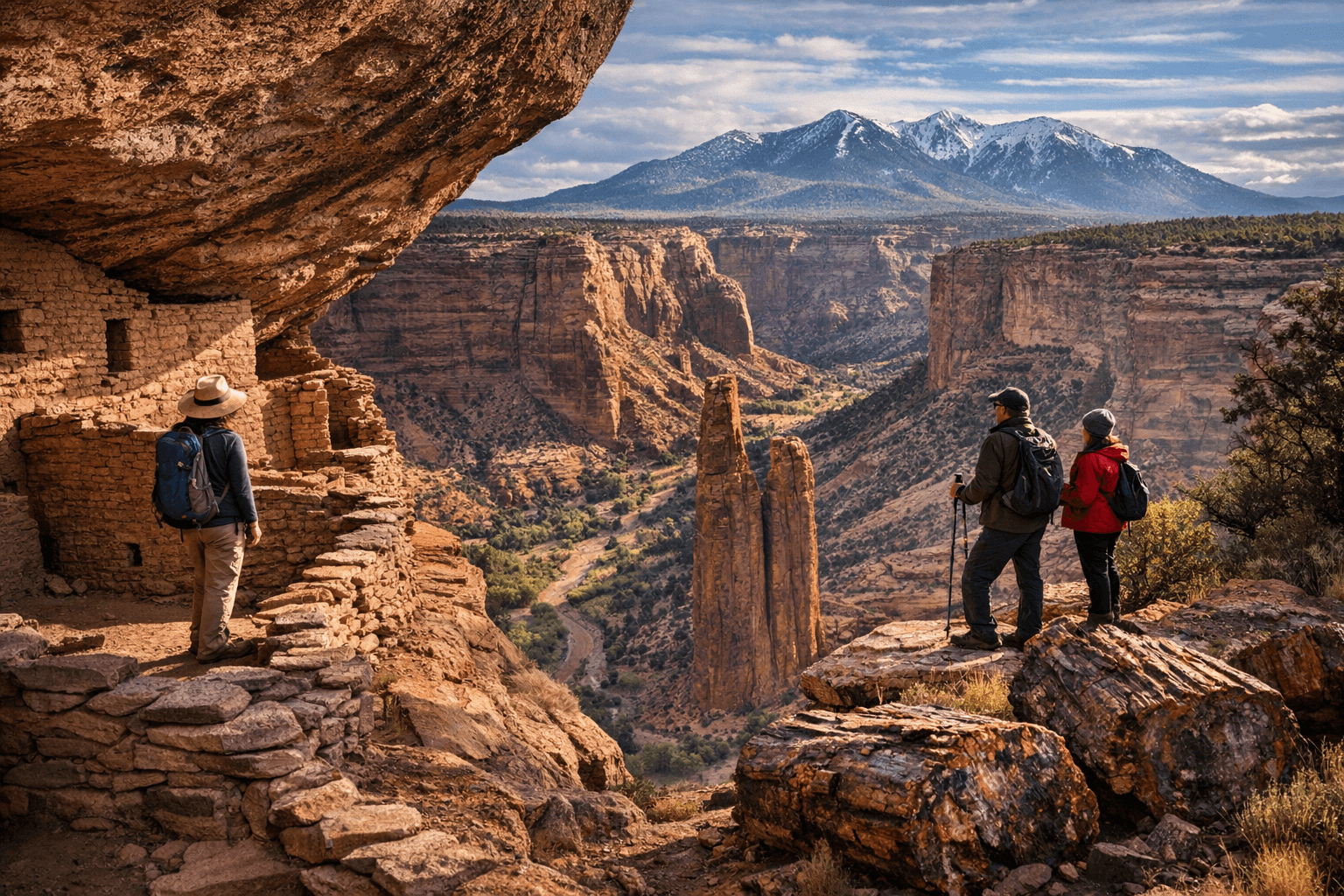
3. Spider Rock Overlook (Canyon de Chelly)
Spider Rock Overlook delivers the iconic vertical spire used in Navajo storytelling, visitors report watching the sandstone "glow with fiery hues of red and gold while learning the Navajo legend that gives the spire its name" at sunset. That combination of dramatic light and living legend makes Spider Rock one of the most photographed and culturally resonant viewpoints in the canyon complex.
4. Junction Overlook and Mummy Cave Overlook (Canyon de Chelly)
Junction Overlook and Mummy Cave Overlook are the named rim stops Sg Trip recommends along the scenic drives; they provide accessible vantage points over the canyon’s amphitheaters and cliff dwellings. Use these overlooks as planning points for guided canyon trips and remember practical advice repeated across guides: bring water, snacks and sun protection because shade is limited along the rims.
5. Petrified Forest National Park
Petrified Forest National Park is singled out for "colorful petrified wood and badland hills" and preserves significant archaeological remains within a high‑desert landscape. Visitors can see both geological and cultural features in one visit; Komoot lists the park among the county’s defining natural attractions and highlights how badland vistas and fossilized logs create a distinctive, easily accessible day‑trip destination.
6. Puerco Pueblo & petroglyphs (within Petrified Forest National Park)
Inside Petrified Forest, Puerco Pueblo "& petroglyphs" are described as preserving "the remains of a hundred‑room pueblo and ancient rock carvings." That hundred‑room figure is a striking quantifier of local pre‑Columbian settlement scale and makes Puerco Pueblo one of the county’s most significant cultural sites; visitors should check National Park Service materials for on‑site interpretation and allowed access.
7. Blue Mesa Trail (Petrified Forest National Park)
Blue Mesa Trail is called out for offering a "close‑up view of petrified wood and bentonite clay formations," an on‑the‑ground way to read the park’s geological story. A Komoot user entry dated March 2, 2022, posted by "αℓєѕѕισ!" with emojis and numeric ratings, signals continued visitor interest; the trail’s unusual colors and stratigraphy reward early light for photography and careful footwear on rocky surfaces.
8. Crystal Forest (Petrified Forest National Park)
Crystal Forest is the park viewpoint "to see logs with iridescent crystals," a specific geological attraction where silicification produced glittering mineral surfaces on fossil wood. For photographers and geology‑minded visitors, Crystal Forest is a concentrated example of the park’s signature phenomenon and complements Blue Mesa’s bentonite clay forms.
9. Monument Valley Tribal Park
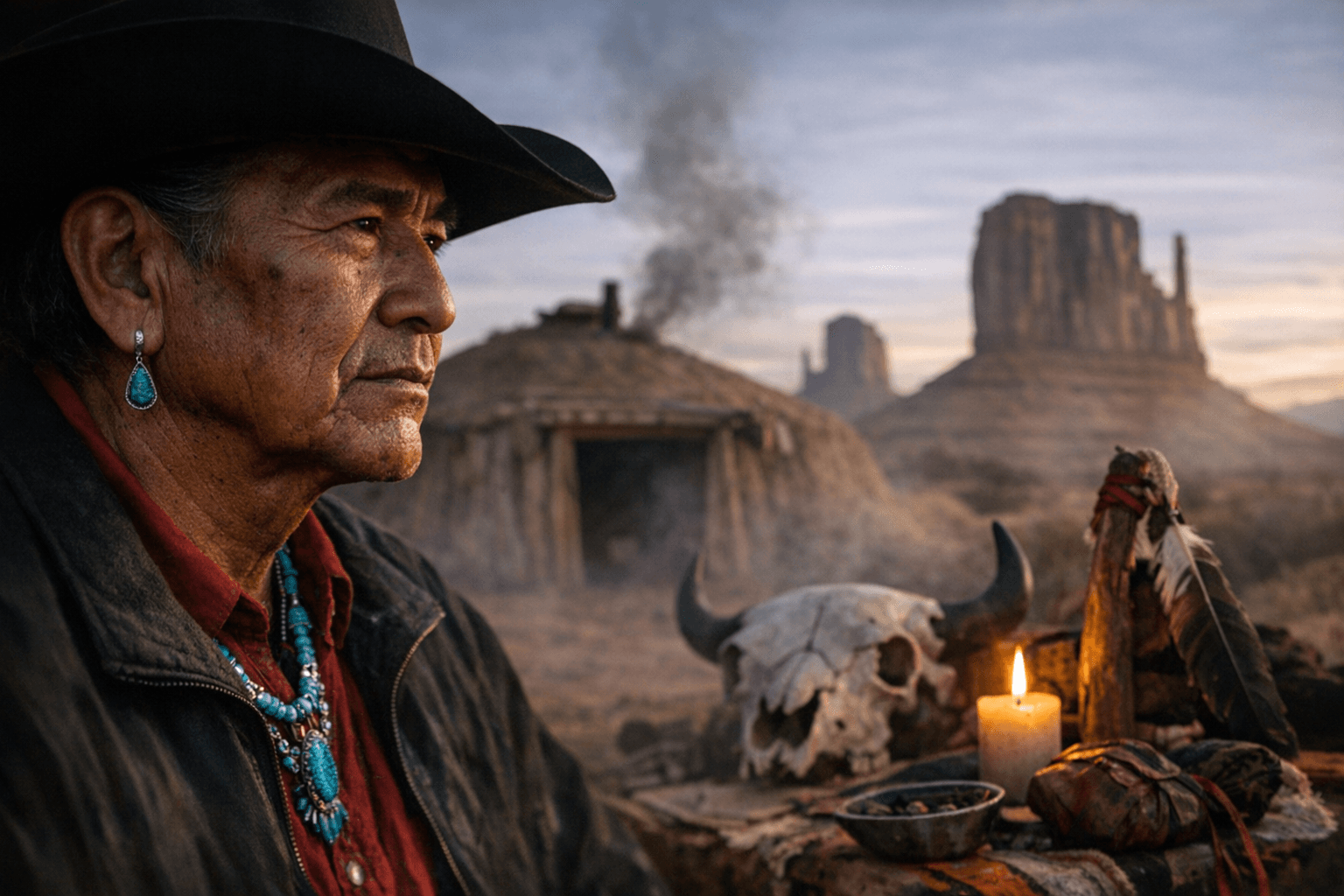
Komoot lists Monument Valley Tribal Park among regional features and describes it as offering "iconic sandstone buttes." While Monument Valley often functions as a regional draw "further afield" from Apache County’s county seats, its buttes are a visual shorthand for Navajo‑managed landscape tourism and a natural complement to canyon and petrified‑wood itineraries in the region.
10. Hubbell Trading Post National Historic Site
Hubbell Trading Post National Historic Site is named among Apache County’s significant cultural sites; it represents the trading history and cross‑cultural commerce that shaped the 19th and 20th‑century Navajo homeland. Visitors seeking interpretive context for items they see at sites like Puerco Pueblo or Window Rock should include Hubbell for its material‑culture exhibits and historical perspective.
11. Window Rock Navajo Tribal Park
Window Rock Navajo Tribal Park is explicitly listed as a significant site and functions as the Navajo Nation’s administrative and ceremonial center, a place where cultural institutions and public life intersect. Its inclusion underlines that much of the county’s important heritage is on Navajo Nation land and that respectful access protocols and guided interpretation often apply.
12. Fort Apache Historic Park
Fort Apache Historic Park is identified as a place "which celebrates Apache heritage." As a cultural site, Fort Apache provides a counterpoint to Navajo sites in the region by highlighting Apache histories and community memory; visitors should look for on‑site programming that centers Apache voices and historical interpretation.
13. Greer loop trail (Main St, Greer, AZ 85927)
Sg Trip lists a "loop trail" with the address Main St, Greer, AZ 85927 and hours "5:00 AM–10:00 PM, all year round," describing it as easy to navigate and best visited early. Practical on‑trail advice from that source includes: dress in layers because weather "flips," pack a lightweight rain jacket, wear good hiking shoes for slippery rock, and "bring water and snacks, none are sold on‑site." The note also includes cultural respect guidance: "Don’t climb on the stupa or flags," and a photographer’s tip that autumn colors peak soon after sunrise.
14. Practical visitor guidance and on‑the‑ground logistics
Across these attractions the material converges on a few concrete tips: bring water, snacks and sun protection; dress in layers for quick weather changes; spring and fall are often the most pleasant windows for Canyon de Chelly; and where guided access exists (notably canyon interior tours) use Navajo‑guided jeep or horseback options to gain cultural insights and access "not open for self‑exploration." Social tags attached to trip notes include #CreateWithTrip #CanyonDeChelly #NavajoNation #ArizonaAdventures and #ApacheCounty #NatureVision #Danxia #AutumnHiking #TrailPhotography, which reflect both practical trip planning and visitor storytelling trends.
Conclusion From the hundred‑room pueblo and petroglyph panels at Puerco to Spider Rock’s sunset silhouette and the iridescent logs of Crystal Forest, Apache County’s top cultural sites and high‑mountain attractions layer geology, history and living tribal cultures. Use the practical tips above, note seasonal advantages (spring/fall for canyons), and respect tribal protocols and on‑site guidance to make the most of each visit.
Sources:
Know something we missed? Have a correction or additional information?
Submit a Tip