Top Slamball Players to Watch: Clark, McGee and Gordon Lead Scouting Guide
Scouting guide names Clark, McGee and Gordon as top Slamball players to watch, highlighting playing styles, training trends and roster implications for the league.
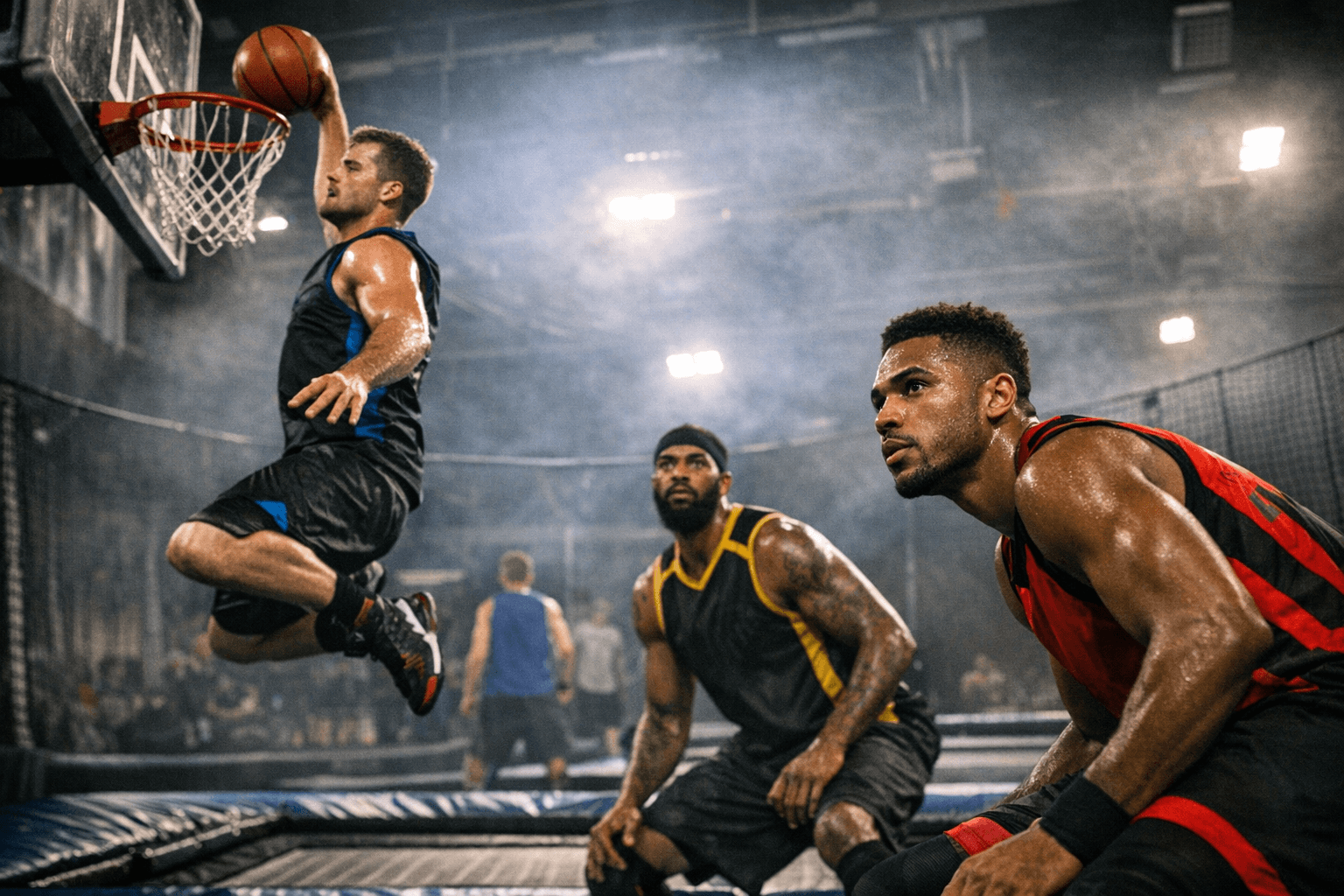
Slamball's most watchable performers are defined less by position labels and more by how they own the air. Darius Clark, Ty McGee and Mason Gordon headline a scouting package that maps on-court production to the training methods and role definitions shaping roster construction and fan expectations.
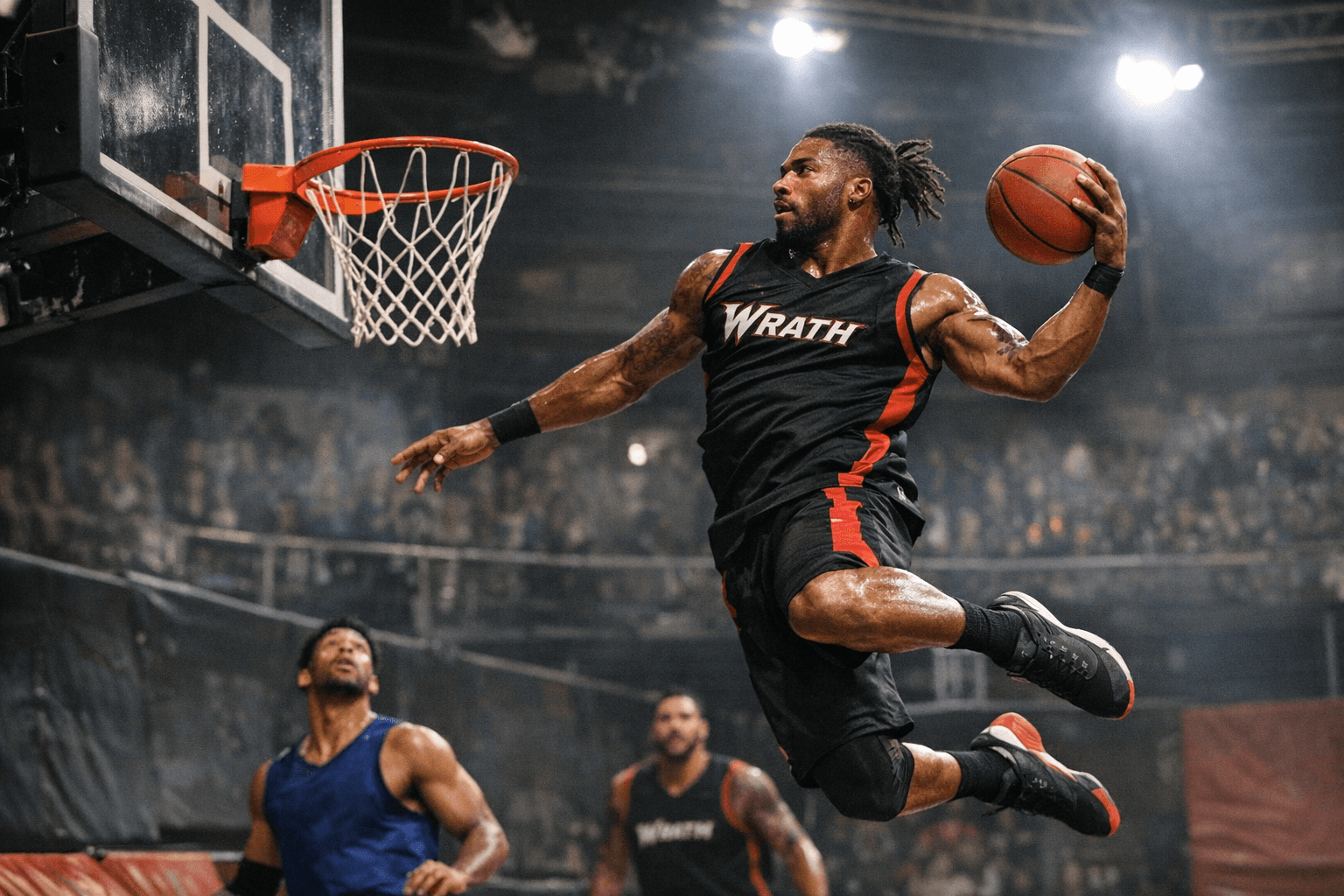
Darius Clark functions as a high-volume scorer and rim attacker who often leads teams in points and dunks per game. Clark’s elite air awareness and finishing with contact make him the primary offensive option in many lineups. His signature play is an explosive baseline cut into trampoline lobs and power dunks through contact, a sequence that reflects his collegiate forward background and intensive plyometric and foam-pit practice routines. Those developmental details explain why Clark consistently converts contested aerial opportunities at a high dunk efficiency.
Ty McGee occupies Slamball’s perimeter creator slot, a scoring guard who blends trampoline-driven drives with long-range threat awareness. McGee routinely posts 20-plus points per game in leading offensive roles and carries high late-possession usage. His quick separation off trampoline-driven drives, spot-up 3-point shooting including four-point arc awareness, and trademark trampoline-driven step-back with float finishes off rebounds make him a go-to late-game option and a matchup problem for defenses that lack disciplined wall coverage.
Mason Gordon represents the prototype Slamball hybrid of size and agility. Gordon’s rim protection on contact plays, outlet passing off rebounds and physicality on the wall translate into double-digit rebounds and interior scoring influence. He frequently initiates alley-oop sequences on fast breaks and controls offensive putbacks, serving as a defensive anchor that turns boards into transition points.
The scouting package also spotlights an incoming wave of prospects groomed in college trampoline programs and pop-up tours. These athletes emphasize depth jumps, single-leg bounds, spatial awareness drills and trampoline-to-court transition skills. Teams are actively recruiting multi-sport athletes from gymnastics, volleyball and competitive trampoline as they prioritize aerial control and landing mechanics. That pipeline will change how coaches evaluate vertical testing and matchup tendencies, from attacking traps to drawing contact on wall plays.
Beyond tactics, the guide signals business and cultural shifts: highlight-reel dunks and four-point arc specialists are marketing assets, and franchises that invest in specialized training facilities gain a talent-development edge. Socially, Slamball’s embrace of multi-sport athletes underscores alternative athletic pathways and expands the sport’s appeal to youth programs focused on body control and safe landing techniques.
For coaches, scouts and fans, the takeaway is clear: Clark’s finishing, McGee’s scoring instincts and Gordon’s rebound-to-transition play are must-watch templates for building competitive Slamball rosters, and the next season will reveal which teams convert these aerial skills into sustained wins.
Know something we missed? Have a correction or additional information?
Submit a Tip