Top Suffolk County Parks for Winter Hikes and Birdwatching
Hubbard County Park’s 1,815-acre pond-side trails in Flanders and a five-minute drive to The Big Duck make it a winter destination for hikers and birdwatchers.
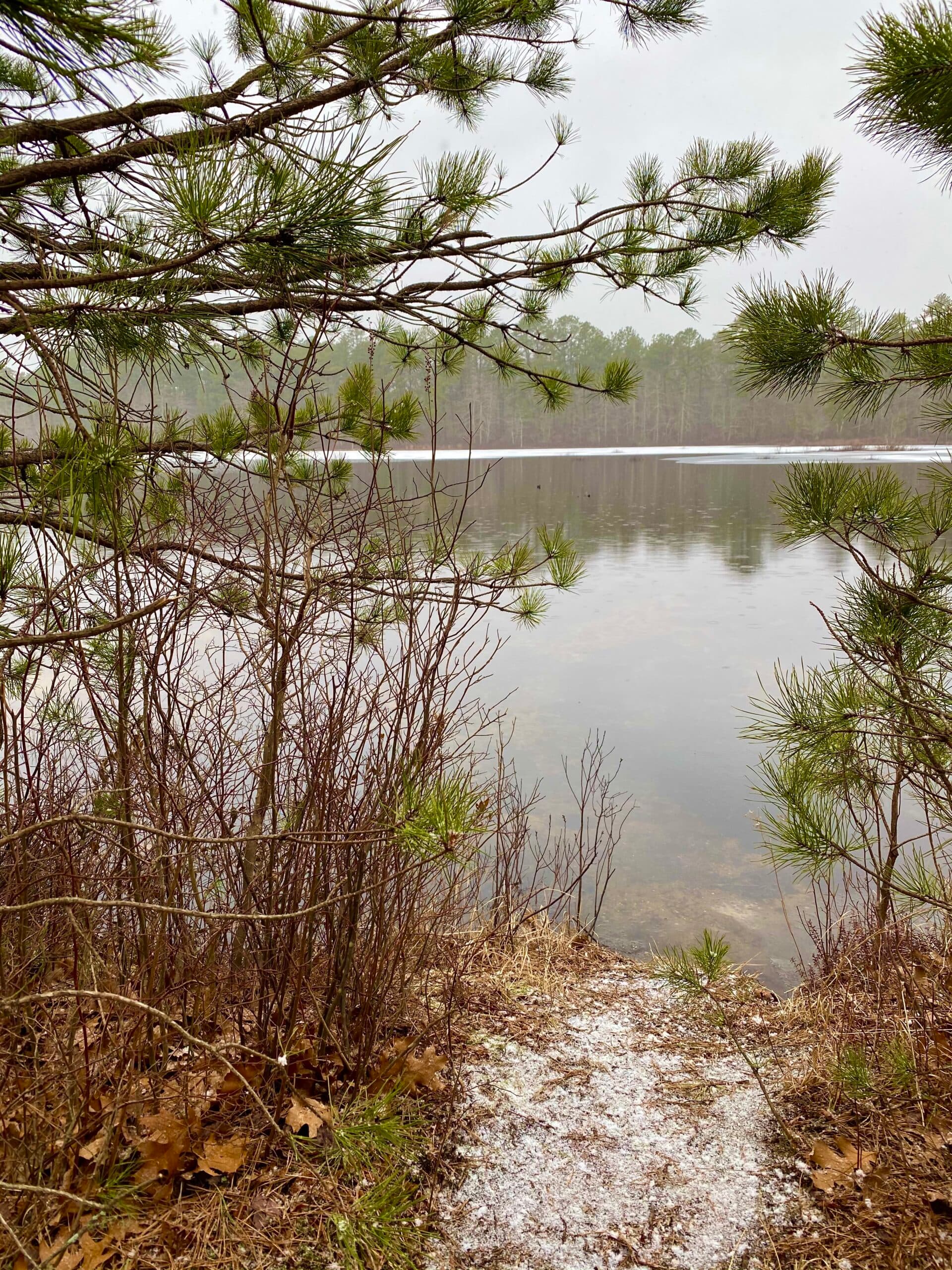
Hubbard County Park anchors Suffolk County’s winter hiking and birdwatching scene with a reported 1,815-acre footprint and pond-side trails in Flanders, and the practical bonus of being a five-minute drive from The Big Duck landmark. County and state properties across Suffolk offer concentrated winter wildlife viewing and quiet trails, and the county system’s variety helps explain why photographers and families are planning short drives rather than long trips.
Forsythe Meadow County Park in Stony Brook is highlighted for its 34 acres of forest and a 1.5-mile-long hiking trail that can be walked in winter for a chance to see winter wildlife. At the South Fork, Poxabogue County Park in Sagaponack provides a half mile walk through grassland, woods, and wetlands to Poxabogue Pond, which can freeze over and create shoreline viewing opportunities in cold weather.
Robert Cushman Murphy Park appears in local listings as both Robert Cushman Murphy Count Park and Robert Cushman Murphy County Park in Manorville; both entries describe ponds, cranberry bogs and pine forests that make the site "a particular favorite for birdwatchers." Given the variant spellings in source material, follow-up verification of the park’s official name is recommended before quoting municipal records or signage.
Berkeley Jackson County Park in Huntington is described as a 130-acre hiking area with hilly terrain for winter walking. Suffolk Times recommends inland birding at Wildwood State Park, the grasslands at Calverton’s EPCAL, and Indian Island County Park as places to find song birds, game birds and raptors away from shorelines that draw seasonal crowds. Discover Long Island material also flags regional highlights including Hubbard County Park, Forsythe Meadow County Park, Poxabogue County Park, Smith Point Bridge Snow fragments, and a single-word species callout of Snowy Owl.
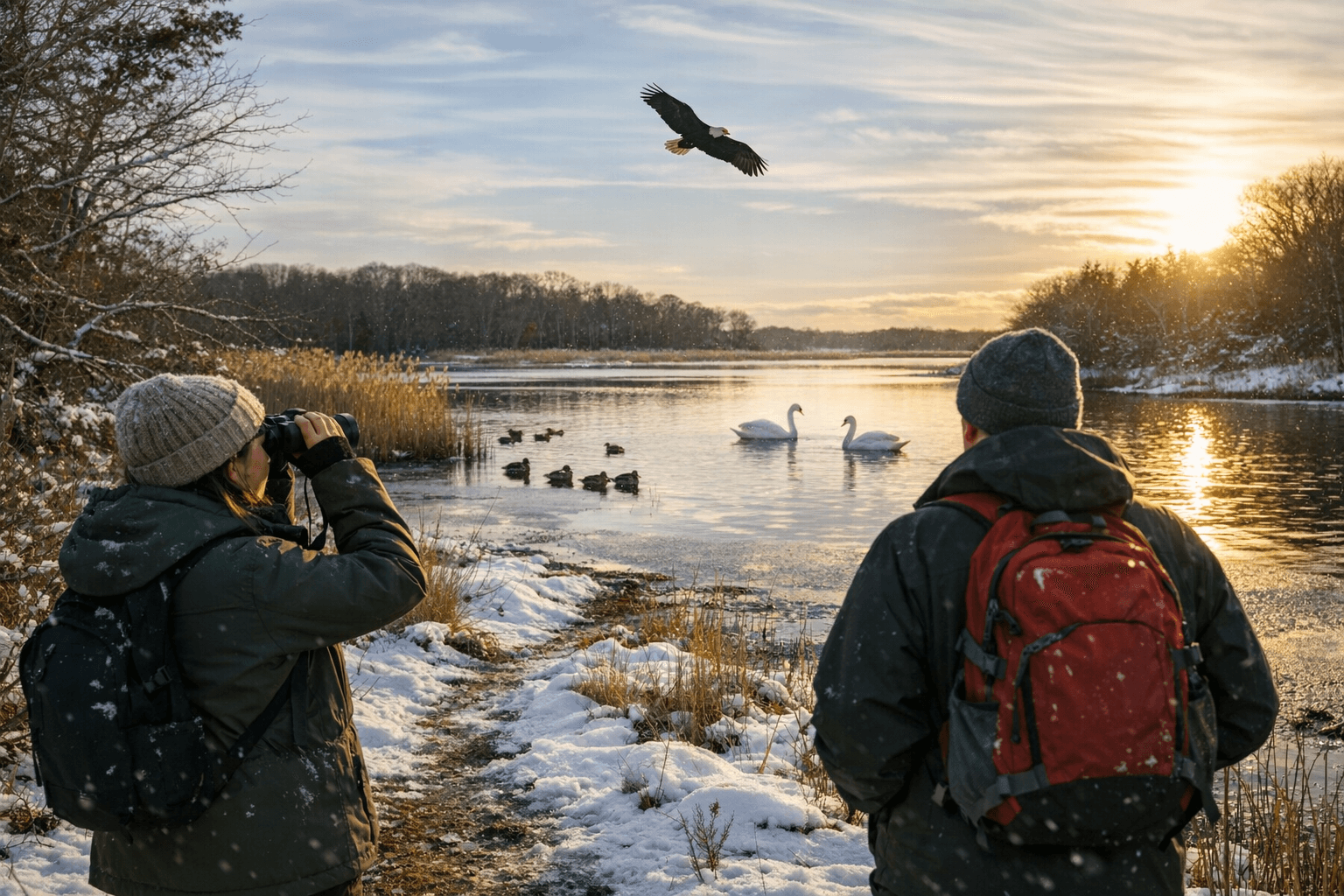
Practical clothing and safety guidance across sources converges on layered clothing and visible, weather-ready gear. One local birding guide notes: "As I mentioned earlier, weather conditions can be brutally cold this time of year, especially when low temps are combined with strong northerly winds. It is important to dress appropriately when embarking on a winter birding trek. Wearing layer, upon layer, upon layer will be key to enjoying the experience. If you get too warm, you can always remove a sweater and still have it with you to put back on if you should get cold again. However, if you don’t have extra layers there will be little you can do to warm up if you are far from your car." Discover Long Island material adds practical gear suggestions including sturdy hiking boots, thick socks, and bright-colored, weather-ready layers, and Liherald notes parks have open spaces and sitting areas suited for a thermos of hot chocolate.
Parking and access are seasonal considerations. Suffolk Times notes that "Parking becomes much easier after Labor Day, as many of the towns become more lenient when it comes to parking permits," but it also cautions to check local town laws prior to parking. For ongoing sightings and identification, community resources called out by local birders include LI Birds on Facebook and the Cornell Lab of Ornithology. Visuals to source for publication include a top photo credit listed as "A juvenile great black-backed gull. (Credit: Chris Paparo)." Local social outreach can be amplified by tagging @discoverlongisland when posting field photos. Finally, for readers planning trips, several entries in the county and state system warrant follow-up verification of official names and acreages before citing municipal records. "So, bundle up, grab the binoculars and see what feathered wildlife the North Fork has to offer.
Know something we missed? Have a correction or additional information?
Submit a Tip