Toppled Doyon Rig 26 Near Nuiqsut Sparks Oil Spill Response
Removal work resumed in early February after Doyon Rig 26 toppled near Nuiqsut, spilling roughly 4,600 gallons of diesel and hydraulic oil and raising contamination and safety concerns for local residents.
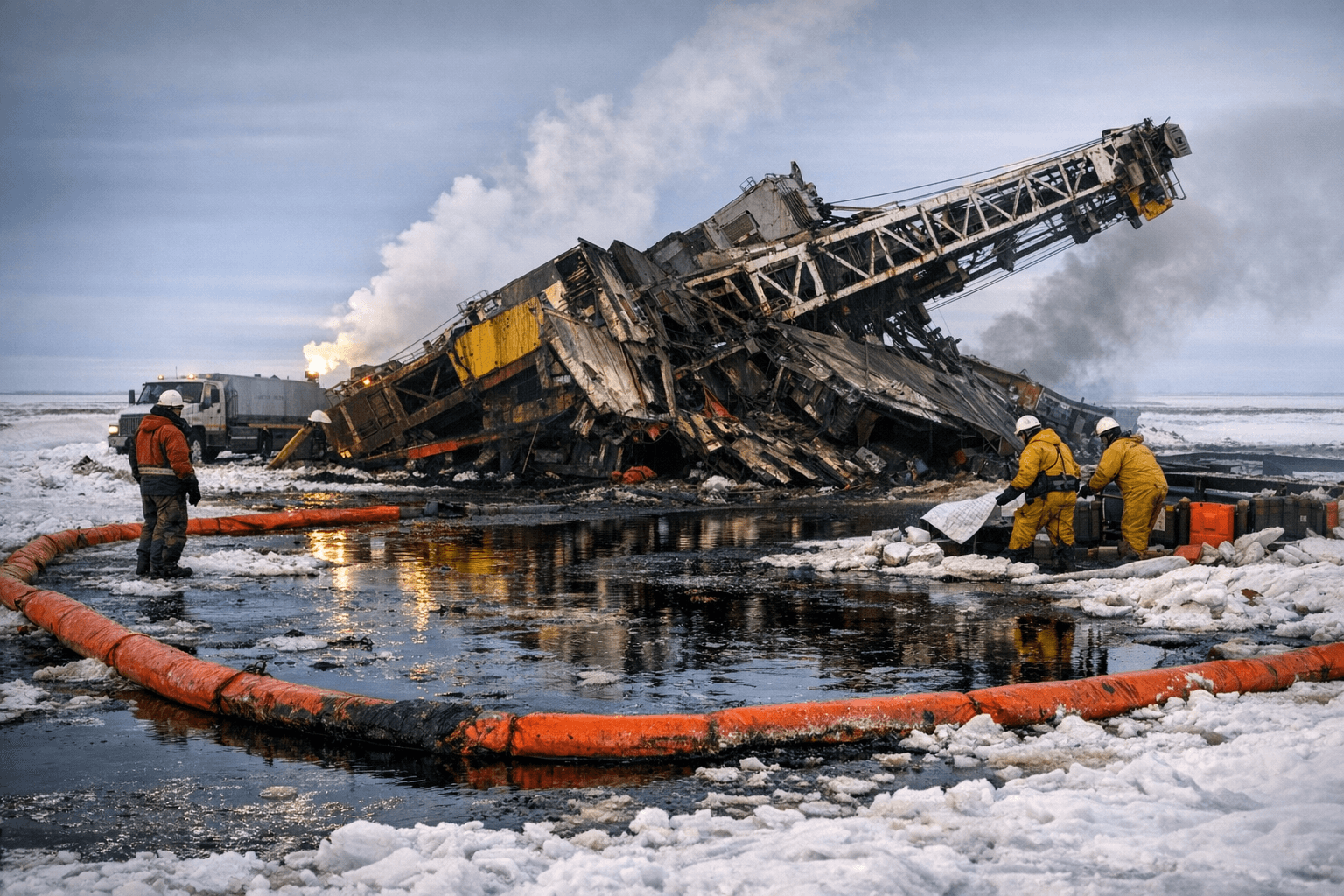
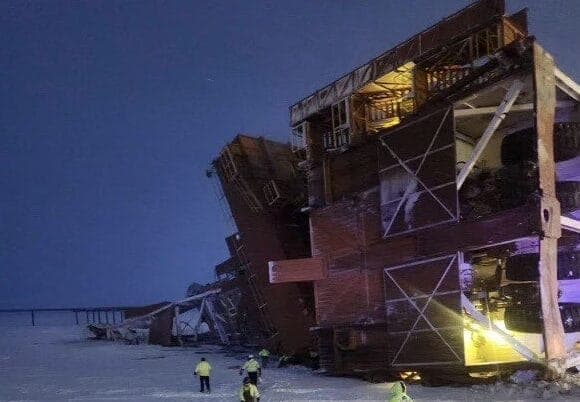
Removal crews resumed work in early February to begin phased cleanup of a toppled 10-million-pound drilling rig that dumped roughly 4,600 gallons of fuel onto the tundra near Nuiqsut. The collapse, which sent one of the rig’s six modules crashing across a frozen gravel road, prompted immediate containment efforts and renewed worries about contamination, wildlife habitat, and community notification.
Doyon Rig 26, nicknamed “The Beast,” toppled while being moved about 6½ miles from the Iñupiaq village of Nuiqsut on Jan. 23, 2026. The rig fell about 50 feet from ConocoPhillips’ Kuukpik Pad and associated camp and roughly 200 feet from a pipeline, state officials said. The site lies less than 500 feet from a tributary to the Nechelik Channel of the Colville River and is within critical habitat for denning and non-denning polar bears and habitat for caribou, Arctic fox, musk ox and ptarmigan; DEC situational reports say no impacts to wildlife have been reported so far.
Initial assessments estimated the release at about 4,000 gallons of diesel and 600 gallons of hydraulic oil. Officials said just 111 gallons of product had been recovered from the snow as of Wednesday, a recovery figure that underscores the gap between estimated spill volumes and what cleanup crews have been able to remove. Two workers who were on the rig and six responders were taken to nearby clinics, treated and released with no serious injuries reported.
Responders established a Unified Command that includes Doyon Drilling Inc., the Alaska Department of Environmental Conservation, the U.S. Environmental Protection Agency, the Iñupiat Community of the Arctic Slope, the North Slope Borough, and other state and federal partners. ConocoPhillips said Doyon is leading response and recovery efforts under the Unified Command. Doyon has completed an initial evaluation of the rig’s infrastructural hazards and laid out a three-phase plan: containment, cleanup and safety evaluations; structural inspection, removal of fluids and debris, and transport of the rig; and final cleanup, mitigation and remediation. Doyon said it has engaged a third-party firm to conduct a full investigation once conditions are safe.
Weather played a major role in slowing the response. Temperatures rose into the 30s Fahrenheit on the day of the topple and then plunged below zero as storms moved through, leaving the rig unstable and responders unable to safely access the scene for days. State reports include images showing the mangled module lying just across the road from the Kuukpik Pad.
Community reaction has been tense. Nuiqsut resident Colleen Sovalik said she did not receive any official communication for many hours, and when she did, it did not bring her reassurance. Doyon has said, “As shared previously, there is no direct threat to the community and no traffic concerns at this time,” and added, “No pipeline infrastructure was impacted by the incident.” The Alaska Department of Environmental Conservation noted that “the closest oil and gas infrastructure is located approximately 50 feet away and was not impacted.”
For residents of Nuiqsut, the immediate concerns are practical: water and subsistence safety, timely and clear communication, and sustained monitoring of wildlife and waterways. Next steps include the third-party investigation, continued phased removal and cleanup, and ongoing situation reports from DEC and the Unified Command documenting recovered volumes, wildlife surveys, and progress on remediation.
Know something we missed? Have a correction or additional information?
Submit a Tip