Toronto scientist's research helped launch the Special Olympics
Frank J. Hayden's Toronto research showed children with intellectual disabilities were half as physically fit, helping trigger the Special Olympics movement.
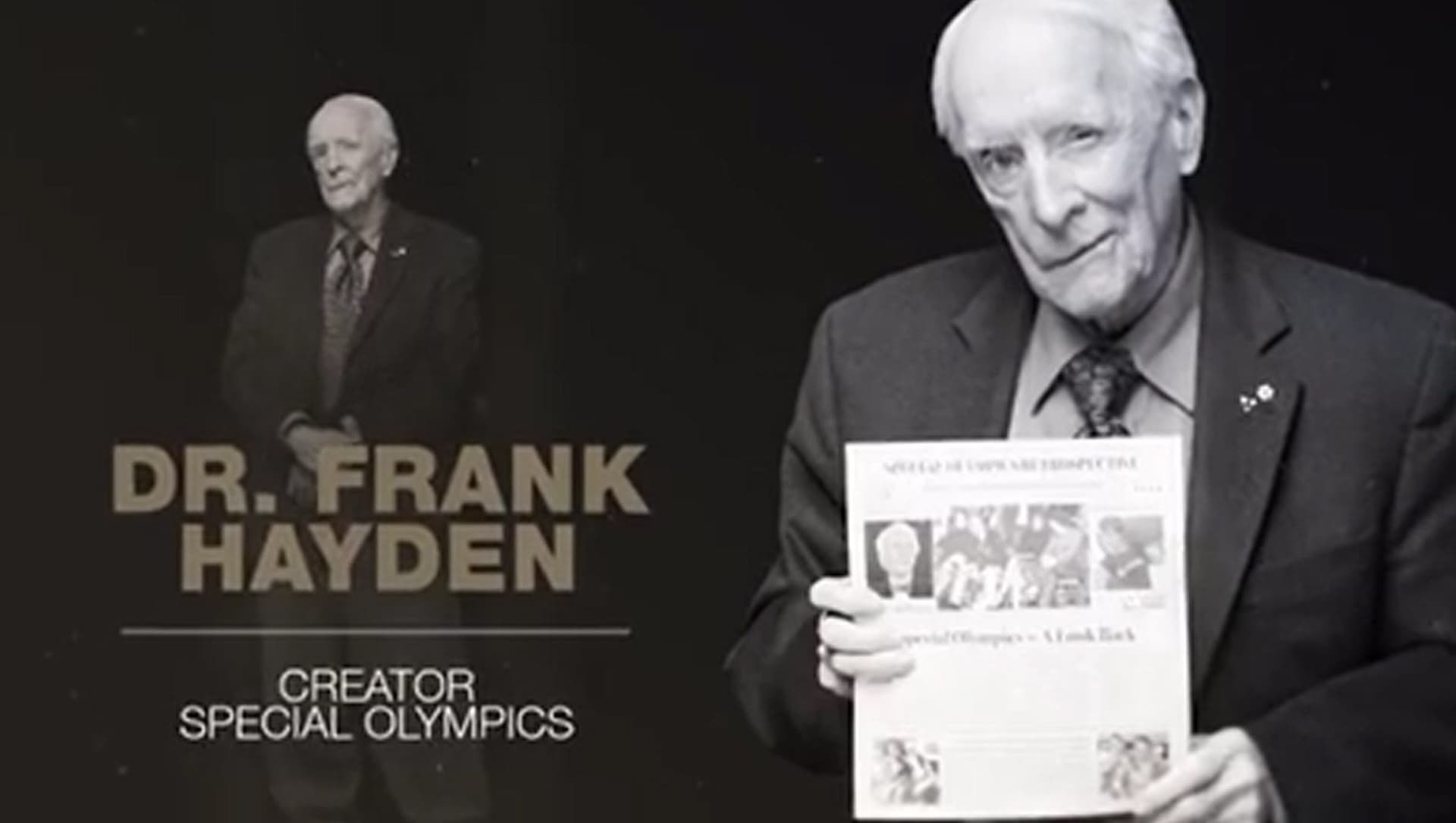
Dr. Frank J. Hayden, whose Toronto research helped change how Canada and the United States thought about intellectual disability, died May 16 at age 96. His work at the University of Toronto did more than measure fitness levels. It helped shift the conversation from exclusion and institutional care toward participation, athletics and public inclusion.
In the early 1960s, Hayden studied a group of students at Toronto’s Beverley School and found that children with intellectual disabilities were about half as physically fit as their peers without intellectual disabilities. Special Olympics Canada says that finding challenged a prevailing assumption of the era, that disability itself was the reason so many children could not fully take part in play and recreation. Hayden’s research suggested the barriers were not fixed by diagnosis alone.
That insight reached Eunice Kennedy Shriver and the Kennedy Foundation around 1965. Hayden later moved to Washington, D.C., to work with Shriver, and he went on to serve as general director of the first Special Olympics event. The inaugural competition was held in 1968 at Soldier Field in Chicago, where organizers including Anne McGlone Burke, Dr. William Freeberg, William McFetridge and Dan Shannon of the Chicago Park District worked alongside Shriver and Hayden to turn a research finding into a public movement.

What began as a single event quickly became something far larger. By the early 1970s, Special Olympics had a presence in all 50 U.S. states. Canadian Special Olympics materials say the program eventually expanded to 120 countries, bringing organized sport to athletes with intellectual disabilities on every inhabited continent. The result was not only a sports organization, but a shift in policy and attitude that pushed schools, communities and families toward participation rather than separation.
Hayden’s death drew attention across the Canadian Olympic and sports community, including Canada’s Walk of Fame and Canada’s Sports Hall of Fame, which highlighted the reach of his organizing role and scientific work. He was predeceased by his wife and partner of 67 years, Marion. His legacy endures in the global Special Olympics movement, which grew from one Toronto researcher’s finding into a permanent institution for inclusion.
This article was produced by Prism’s automated news system from verified source data, official records, and press releases, then run through automated quality and moderation checks before publishing. The system is built and supervised by the people who set the standards it runs under. Read our full AI policy.
Did this article answer your question?