Tourists flee Guatemala's Volcán de Fuego eruption, ash and lava rain down
Tourists scrambled downhill as ash, lava and volcanic rocks rained around Volcán de Fuego, a close call at a volcano that killed 110 people in 2018.
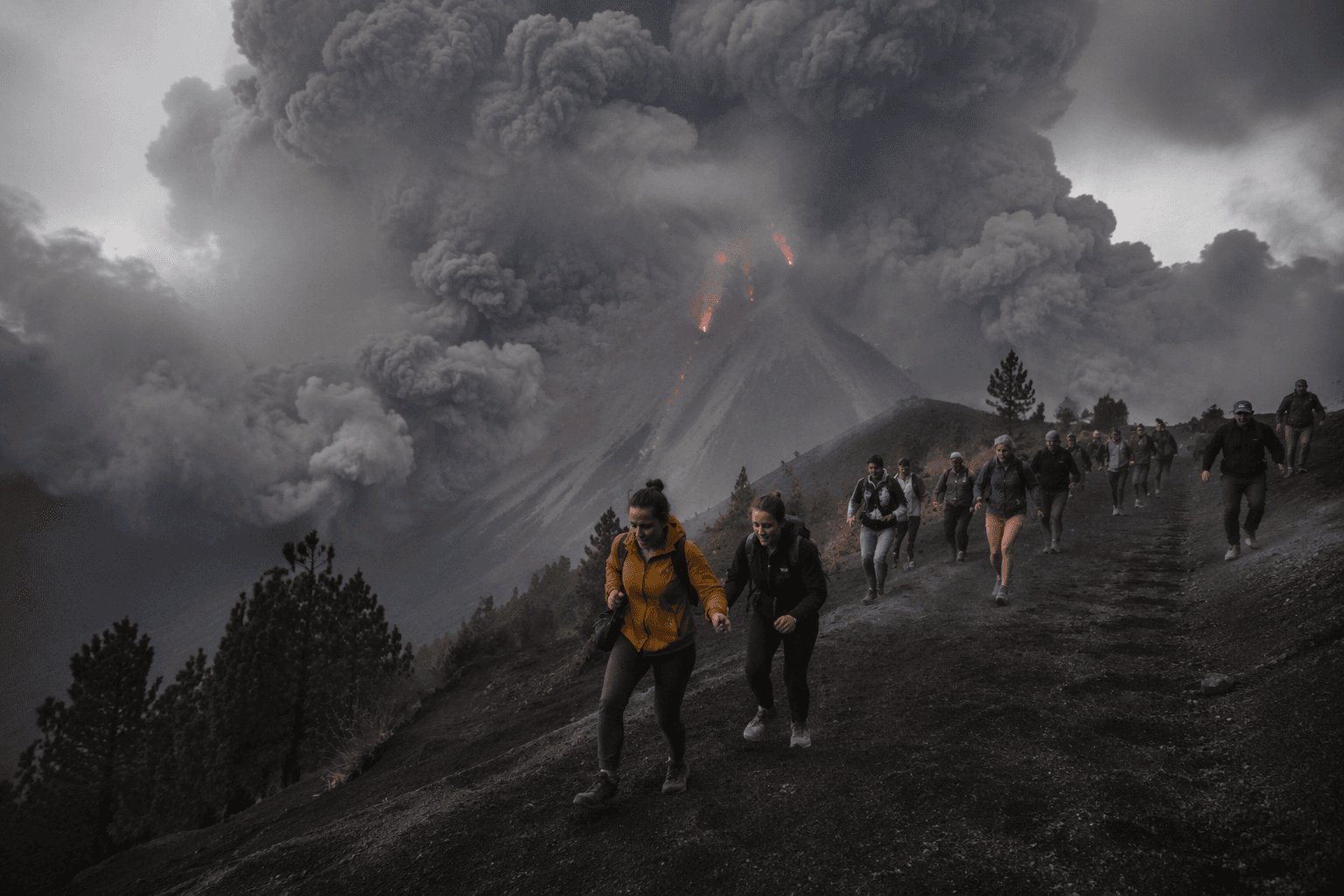
Tourists and hikers ran for lower ground as Volcán de Fuego hurled red-hot lava, ash and flying rocks into the air near Antigua, Guatemala. The footage, filmed on Wednesday, June 17, shows visitors close enough to the slope to be caught scrambling downhill while a plume rose over one of Central America’s most active volcanoes.
The clip, shared on June 23 and distributed by Newsflare after being posted by @Kaleyekiyor, puts a hard-edged risk question in view: why were tourists still within reach of a volcano known for sudden explosive activity? Volcán de Fuego sits about 43 kilometers southwest of Guatemala City, and its peak rises 12,346 feet, or 3,763 meters, above sea level. Reports said no serious injuries were reported, but the scene showed how quickly a sightseeing stop can turn into a dangerous retreat.
The eruption sent volcanic debris toward visitors and threw an ash plume high into the sky. ABC News described the scene as tourists fleeing an erupting volcano that sent red-hot lava into the air. The footage also highlights the challenge for authorities trying to manage access to a major tourist draw while keeping people away from a volcano that has long been treated as one of the region’s most hazardous.
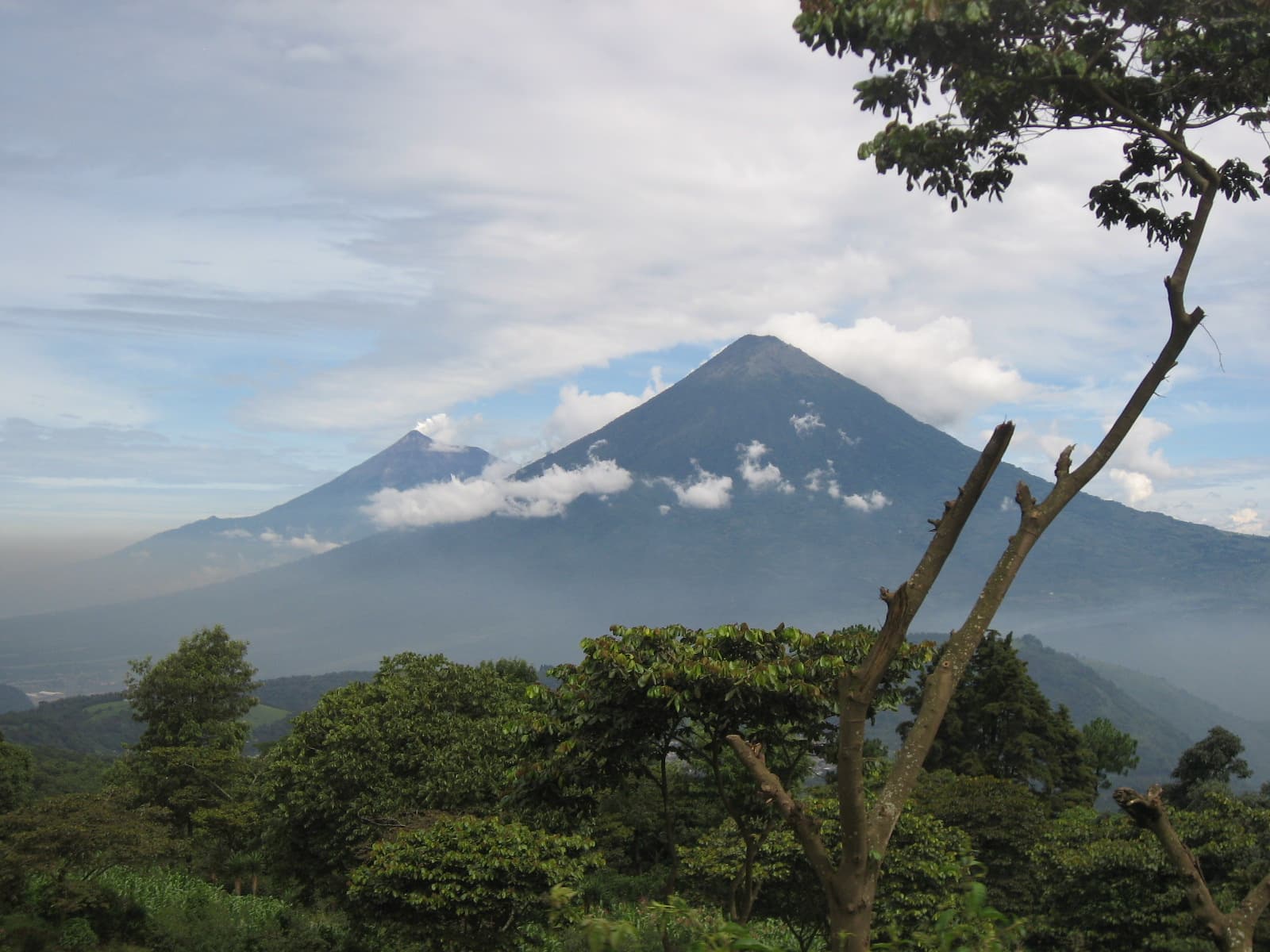
That danger is not theoretical. In June 2018, an eruption of Volcán de Fuego killed 110 people and left 197 missing, one of Guatemala’s deadliest natural disasters in recent memory. The volcano’s history has made it a constant concern for emergency planners, local communities and visitors drawn to the dramatic landscape around Antigua.
Guatemala’s INSIVUMEH has continued to issue 2026 bulletins warning of explosive activity, pyroclastic flows, ballistic rock fall and lahars in the Fuego area. Its warnings have also pointed to the start of lahars season on the volcano, underscoring that the threat does not end when the lava glow fades. The footage from June 17 shows how closely tourists can still approach the slopes, and how fast a routine excursion can become a race down the mountain when warnings are not enough to keep people back.
This article was produced by Prism’s automated news system from verified source data, official records, and press releases, then run through automated quality and moderation checks before publishing. The system is built and supervised by the people who set the standards it runs under. Read our full AI policy.
Did this article answer your question?