Toyota recalls about 162,000 Tundra trucks over display fault
Toyota is recalling roughly 162,000 2024-2025 Tundra and Tundra Hybrid trucks after a multimedia display fault can block rearview visibility, posing safety concerns.
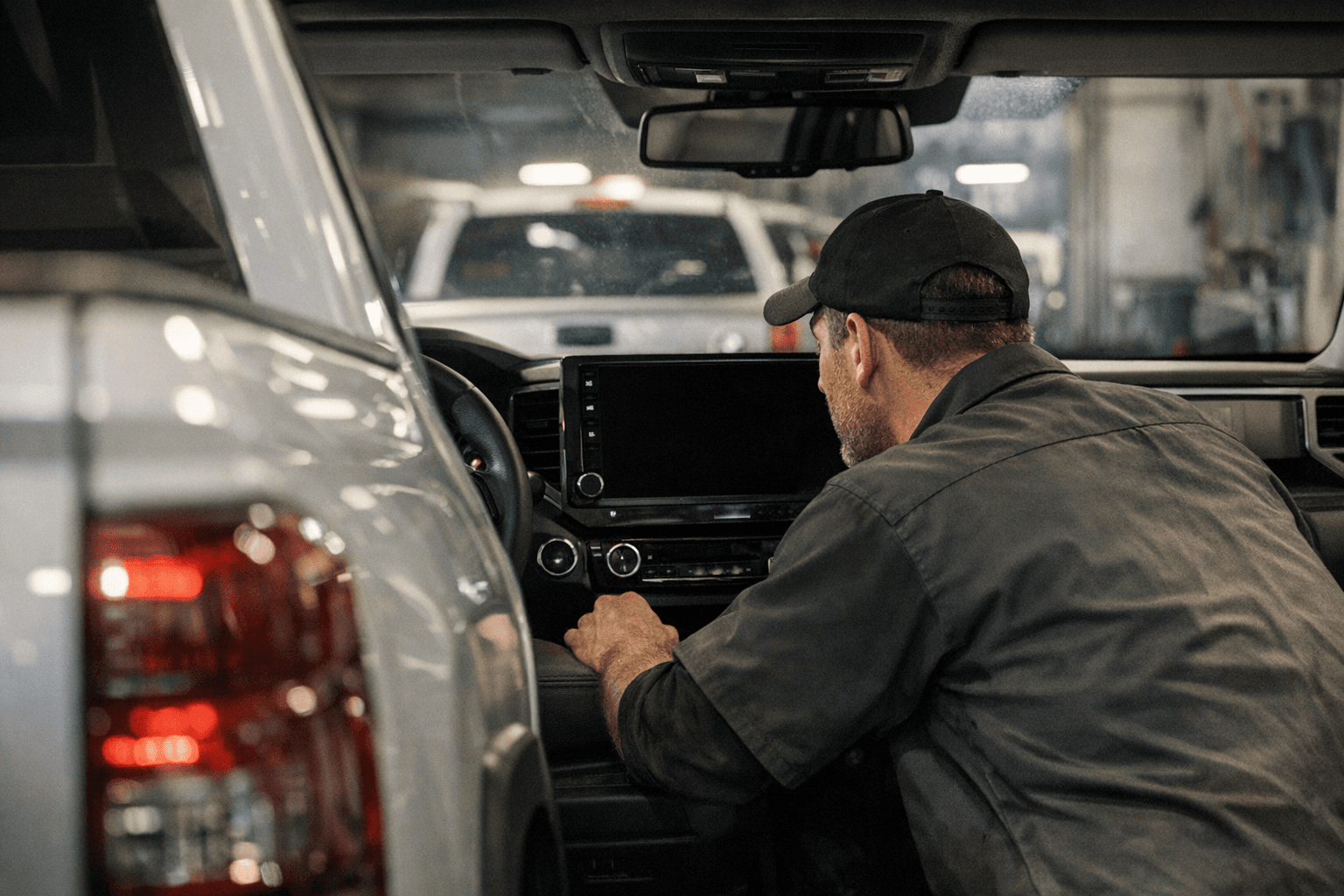
Toyota announced a safety recall covering roughly 162,000 vehicles in the United States after engineers identified a defect in the multimedia display system that can leave the screen stuck on a camera view or display a black image under some conditions. The recall affects certain 2024 and 2025 model year Toyota Tundra and Tundra Hybrid trucks, the company said, and stems from a software or hardware interaction that can impair the vehicle’s rearview camera display.
A failure of the multimedia display to show a clear rearview image raises safety concerns because rearview cameras are the primary backup-visibility aid in modern vehicles. Federal regulations have required rear visibility systems on new passenger vehicles since 2018, making a malfunction of that system a regulatory as well as safety issue. Toyota’s notice did not include reports of crashes or injuries tied to the defect, and the company has not released full details of an approved remedy in its initial announcement.
The scale of the recall is material for a single model line. At roughly 162,000 vehicles, the action covers millions of driver-use hours and a broad swath of recent production, exposing Toyota and its dealer network to a substantial service workload. For Toyota, the immediate consequences are logistical: diagnosing affected units, delivering a coordinated fix for software or components, and scheduling service visits. The longer term impact may be reputational in the U.S. truck market where consumer expectations for reliability and safety are high.
Economically, recalls of this size can carry visible costs even when direct repair expenses are managed under warranty. Service capacity constraints can push owners to rental vehicles or extended dealer visits, reducing showroom throughput and potentially delaying new-vehicle deliveries. Used-vehicle values for the affected model years could be pressured if buyers perceive ongoing safety or reliability risk, especially given the widespread reliance on digital interfaces in modern pickups.
This recall also fits a broader industry pattern: as automakers add more software-defined features, a growing share of safety recalls stems from electronic or software malfunctions rather than traditional mechanical failures. Regulators and consumer advocates have urged stronger validation of software updates and more robust diagnostics to prevent in-field failures. For manufacturers, that means tighter integration of over-the-air update strategies and dealer service processes to address defects quickly.
Owners of 2024 and 2025 Tundra and Tundra Hybrid trucks should monitor communications from Toyota and check their vehicle identification numbers on government recall databases or with local dealers to confirm whether their truck is included. The timing and nature of the repair, and whether it will be carried out via a software update or hardware replacement, were not specified in Toyota’s initial release.
The recall underscores the complexities of modern vehicle safety, where a malfunctioning screen can translate directly into increased risk. Regulators and manufacturers will be watching how quickly Toyota executes repairs and whether this event prompts broader scrutiny of multimedia systems across the industry.
This article was produced by Prism’s automated news system from verified source data, official records, and press releases, then run through automated quality and moderation checks before publishing. The system is built and supervised by the people who set the standards it runs under. Read our full AI policy.
Did this article answer your question?

